Category: Marathon

  • How to Prepare for Your First Trail Marathon

    How to Prepare for Your First Trail Marathon

    Trail marathons are a unique challenge, offering a mix of breathtaking scenery and rugged terrain that can differ significantly from the typical road race. Whether you’re a seasoned runner or new to marathons, preparing for a trail marathon requires different strategies, from training for elevation changes to selecting the right gear. Here’s a comprehensive guide to help you succeed in your first trail marathon, covering training, nutrition, gear, and mental preparation.


    1. Understand the Terrain

    The first step in preparing for a trail marathon is understanding the type of terrain you’ll be running on. Unlike road marathons, trail races often include uneven surfaces, steep ascents and descents, and obstacles like rocks and roots. These factors can slow your pace, make the race more physically demanding, and require additional focus on your footing.

    Tip: Research the course map and, if possible, visit the race site to get a feel for the trails. Knowing what to expect will help you adjust your training and mindset for the challenges ahead.


    2. Adjust Your Training Plan for the Terrain

    While the distance in a trail marathon is the same as a road marathon (26.2 miles), the physical demands are much higher. Trail runs require more strength and stability because of the uneven ground, which will engage different muscle groups than running on pavement.

    Key Focus Areas:

    • Elevation: Many trail marathons involve significant elevation gain. Incorporate hill training into your workouts, focusing on both uphill and downhill running. Uphill runs build strength and stamina, while downhill runs improve control and technique.
    • Strength Training: Trail running requires more muscle engagement, especially in your core, legs, and ankles. Strengthen these areas with exercises like lunges, squats, and planks. Adding exercises that improve ankle stability (such as balancing on one leg or using a wobble board) can help prevent injuries.
    • Trail-Specific Workouts: Run on trails or uneven terrain as often as possible. Trails offer a different challenge than pavement, so training on similar surfaces will help your body adapt to the unique demands of trail running.

    Tip: Include long trail runs in your training to simulate race conditions. Gradually increase your mileage while maintaining a pace that allows you to complete the distance comfortably.


    3. Plan Your Nutrition and Hydration

    Proper nutrition and hydration are key to marathon success, especially when running on trails, where access to aid stations may be limited, and conditions can be unpredictable. Start focusing on your fueling strategy well in advance of race day.

    Fueling Tips:

    • Carbohydrates: Prioritize carbohydrate-rich foods for energy. These should come from both simple sugars (like gels or chews) and complex carbs (like bananas, oatmeal, or whole-grain bread).
    • Hydration: Dehydration is a risk on the trails, especially in warmer climates or at high altitudes. Carry a hydration pack or handheld bottles to ensure you can drink throughout the race. Make sure to balance your water intake with electrolyte replenishment through drinks or electrolyte tablets.
    • Trial Run: During your training, experiment with different foods and hydration strategies to find what works best for you. You may have to adjust your choices based on personal preferences or digestive needs.

    Tip: Avoid trying new nutrition strategies on race day. Stick to what you’ve practiced during long runs to avoid any surprises.

    How to Prepare for Your First Trail Marathon
    How to Prepare for Your First Trail Marathon

    4. Choose the Right Gear

    The right gear can make or break your trail marathon experience. Trail running requires more specialized equipment than road running due to the nature of the course. Here’s what you need to consider:

    Footwear: Trail shoes are essential, as they provide better traction and stability on uneven ground. Look for shoes with aggressive treads that can handle mud, rocks, and loose dirt. Make sure your shoes are comfortable and have been broken in well before race day.

    Clothing: Choose moisture-wicking and lightweight clothing to keep you comfortable throughout the race. Avoid cotton, as it holds moisture and can lead to chafing. Depending on the weather, layers may be necessary, so bring a light, breathable jacket in case conditions change.

    Hydration Pack: A hydration pack or trail-running vest allows you to carry water and nutrition conveniently. Ensure it fits comfortably and doesn’t bounce excessively while running. It should have enough capacity for the distance and elevation changes of the marathon.

    Accessories: Don’t forget the essentials such as a good pair of socks (preferably moisture-wicking and blister-resistant), a hat or sunglasses for sun protection, and a small first-aid kit or blister care items.


    5. Develop Mental Toughness

    Trail marathons can be mentally demanding, especially if the course features difficult terrain, steep climbs, or challenging weather conditions. Building mental resilience will help you push through tough moments during the race.

    Mental Strategies:

    • Focus on the Present: Trail marathons can feel overwhelming, but focusing on one step at a time will help break down the race into manageable chunks. Stay present and concentrate on the section of trail in front of you.
    • Positive Self-Talk: Keep your thoughts positive and motivating. Remind yourself why you’re running and how far you’ve come in your training. Acknowledge each milestone (such as completing a tough climb or reaching an aid station) to stay motivated.
    • Embrace the Challenge: Embrace the fact that trail running is tough. The challenges you face during the race are part of what makes it unique. By viewing difficulties as opportunities to grow, you’ll be mentally prepared for the demands of the trail marathon.

    6. Taper and Rest Before the Race

    In the final weeks before your trail marathon, it’s essential to taper your training to allow your body to recover and build strength. Avoid long, exhausting runs in the last week and focus on lighter, shorter sessions to maintain your fitness while resting your muscles.

    Tip: Prioritize sleep, hydration, and proper nutrition during your taper period. Ensure you’re feeling physically and mentally rested by the time race day arrives.


    7. Race Day Preparation

    On race day, arrive early to ensure you have plenty of time to prepare. Make sure your gear is ready, and you know the race logistics, such as the start time, location, and aid station positions.

    Pre-Race Checklist:

    • Confirm your race number, bib, and timing chip.
    • Double-check your hydration and nutrition plan.
    • Warm up with dynamic stretches and light jogging to loosen up your muscles.
    • Set realistic expectations based on your training and adjust your pace accordingly.

    Conclusion

    Preparing for your first trail marathon takes time, effort, and focus, but it’s a rewarding experience that will challenge you both physically and mentally. With the right training, nutrition, gear, and mindset, you’ll be able to tackle the ups and downs of the trail and finish strong. Remember to listen to your body, stay positive, and enjoy the unique beauty that comes with running on trails. Best of luck in your first trail marathon!
  • The Top 10 Marathons to Run Around the World

    The Top 10 Marathons to Run Around the World

    Running a marathon is a dream for many athletes and running enthusiasts alike. It’s not just about the finish line; it’s about the experience, the atmosphere, and the unique charm each marathon offers. While there are countless marathons to choose from, some stand out for their iconic status, breathtaking locations, and unforgettable race-day experiences. If you’re a marathoner seeking a challenge or looking to cross off new destinations, here are the top 10 marathons to run around the world.


    1. The Boston Marathon (USA)

    The Boston Marathon is the oldest and most prestigious marathon in the world, dating back to 1897. This race is not just a test of speed but also a symbol of history and tradition. Runners from all over the globe strive for a qualifying time to gain entry into this legendary race.

    Why It’s Special:

    • The Boston Marathon offers a challenging course with notorious hills, including Heartbreak Hill.
    • It boasts passionate crowds that line the streets of Boston, making for a vibrant race-day atmosphere.
    • Boston is known for its elite field of runners, but it’s also a race that celebrates amateur runners and their journey.

    2. The New York City Marathon (USA)

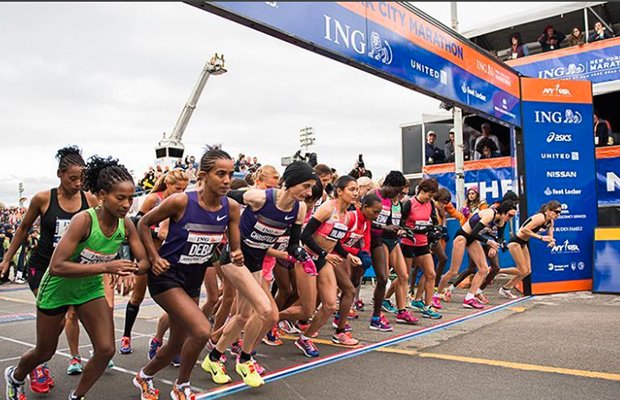
    Held every November, the New York City Marathon is one of the largest and most famous marathons in the world. It offers a scenic tour of the city, running through all five boroughs and finishing in Central Park.

    Why It’s Special:

    • The race features a diverse and massive field, with more than 50,000 participants from all over the world.
    • Spectators line the course, offering energetic support at every turn.
    • It’s the ultimate marathon experience for those who want to combine running with a vibrant city adventure.

    3. The Berlin Marathon (Germany)

    The Berlin Marathon is a fast, flat course famous for producing world-record times. Many elite marathoners aim to race here for the opportunity to set a new personal best or even a world record.

    Why It’s Special:

    • Known for its flat and fast course, Berlin is a marathon for serious record chasers.
    • The event also draws large crowds who cheer on runners through the city’s historical landmarks.
    • The Berlin Marathon takes runners past iconic spots such as Brandenburg Gate and the Berlin Wall.

    4. The London Marathon (UK)

    One of the six World Marathon Majors, the London Marathon is a prestigious race that offers a blend of high competition and enthusiastic crowds. The route takes runners through famous landmarks like Tower Bridge and the Houses of Parliament.

    Why It’s Special:

    • The London Marathon is often cited as one of the best-organized races globally, with superb logistical support and an exciting atmosphere.
    • The course offers some stunning views of London’s most iconic landmarks.
    • It’s known for its large charity presence, with many runners raising money for causes close to their hearts.
    The Top 10 Marathons to Run Around the World
    The Top 10 Marathons to Run Around the World

    5. The Tokyo Marathon (Japan)

    The Tokyo Marathon is relatively new compared to others on this list, but it’s quickly gained a reputation for being one of the best marathons to run. Held every February, it offers a mix of traditional Japanese culture and modern race excitement.

    Why It’s Special:

    • The Tokyo Marathon offers a unique glimpse of Japanese culture, with traditional performances and cheer squads along the route.
    • The race attracts an international field and is known for its perfect weather conditions.
    • Tokyo itself is a city full of energy and excitement, making the post-race celebrations just as memorable.

    6. The Chicago Marathon (USA)

    The Bank of America Chicago Marathon is one of the six World Marathon Majors and is known for its flat, fast course. It attracts world-class athletes, but it’s also a race that welcomes runners of all abilities.

    Why It’s Special:

    • Chicago’s marathon route offers an urban course with some stunning city views.
    • The event draws massive crowds, and the streets are lined with enthusiastic spectators who cheer runners on.
    • Known for its welcoming atmosphere, Chicago has one of the largest marathon fields in the world.

    7. The Paris Marathon (France)

    Running through the heart of Paris, the Schneider Electric Marathon de Paris is one of the most scenic marathons you can run. The course passes by the Eiffel Tower, the Seine River, and several other iconic Parisian landmarks.

    Why It’s Special:

    • The Paris Marathon combines a fantastic running experience with breathtaking views of one of the world’s most romantic cities.
    • It’s the perfect race for runners who want to combine the thrill of competition with a vacation in Paris.
    • The Paris Marathon offers an energetic crowd and a festive atmosphere throughout the race.

    8. The Athens Marathon (Greece)

    The Athens Marathon is one of the most historic races in the world, tracing the route from the ancient Marathon village to the Panathenaic Stadium, where the first modern Olympic Games were held.

    Why It’s Special:

    • Runners can retrace the footsteps of the legendary Greek messenger Pheidippides, who ran from Marathon to Athens to announce the victory over the Persians.
    • It’s a race that offers not only a challenge but also a historical and cultural experience.
    • The course offers a unique blend of ancient history and modern-day running.

    9. The Sydney Marathon (Australia)

    The Sydney Marathon, part of the Sydney Running Festival, is a must-do for any marathoner visiting Australia. The course runs through the heart of Sydney, taking participants past the iconic Sydney Opera House and Harbour Bridge.

    Why It’s Special:

    • The course offers breathtaking views of Sydney’s famous landmarks, including Bondi Beach.
    • The race is part of the Sydney Running Festival, which includes shorter events for all skill levels.
    • The weather is typically favorable, making it an excellent destination marathon.

    10. The Cape Town Marathon (South Africa)

    Known for its stunning scenery, the Cape Town Marathon takes runners through the beautiful landscapes of Cape Town, including views of Table Mountain, the ocean, and scenic neighborhoods.

    Why It’s Special:

    • Cape Town offers a challenging but rewarding marathon course, with some uphill sections and scenic views that make the race worthwhile.
    • The city’s vibrant atmosphere and unique culture add to the experience.
    • Runners have the opportunity to run alongside local wildlife, such as baboons, and witness the stunning landscape.

    Conclusion

    Marathons are more than just races—they are experiences that offer unique challenges, stunning locations, and a sense of accomplishment that few other events can match. Whether you’re chasing a world record, soaking in the sights of a new city, or simply seeking an unforgettable running adventure, these top 10 marathons should be on your bucket list. Each race offers something different, from world-class competition to breathtaking views, making them a must for any marathoner.

  • Running in Different Weather Conditions: A Survival Guide

    Running in Different Weather Conditions: A Survival Guide

    Running is one of the most accessible and rewarding forms of exercise, but the weather can make it more challenging. Whether you’re braving the sweltering summer sun, running through a downpour, or battling freezing temperatures, adapting your running routine to different weather conditions is essential for both performance and safety. In this survival guide, we’ll explore how to tackle running in various weather conditions and ensure you’re ready for whatever nature throws your way.


    1. Running in Hot and Humid Weather

    Hot and humid conditions are a runner’s worst nightmare, as excessive heat can quickly lead to dehydration, exhaustion, and even heatstroke. However, with the right precautions, you can still enjoy your runs in the heat.

    Tips for Running in Hot and Humid Weather

    • Hydrate Well: Start hydrating well before your run. Drink plenty of water throughout the day and consume electrolytes to replace the minerals lost in sweat.
    • Run During Cooler Hours: Aim to run in the early morning or late evening when temperatures are cooler. This also helps avoid the harsh midday sun.
    • Wear Lightweight, Breathable Clothing: Choose moisture-wicking fabrics that allow sweat to evaporate quickly. Opt for light-colored clothing, as it reflects sunlight and keeps you cooler.
    • Sunscreen is a Must: Protect your skin by applying sunscreen before your run. Consider using a sweat-proof or water-resistant formula to ensure long-lasting protection.
    • Listen to Your Body: Heat exhaustion can sneak up on you. If you feel dizzy, nauseous, or overly fatigued, stop, find some shade, and rehydrate.

    2. Running in the Rain

    While rainy weather might seem discouraging, it doesn’t have to be a deal-breaker for your run. In fact, running in the rain can be refreshing and enjoyable with the right preparation.

    Tips for Running in the Rain

    • Wear Waterproof Gear: Invest in a good waterproof jacket and moisture-wicking clothing. Look for jackets that are breathable, so you don’t overheat while running.
    • Avoid Cotton: Cotton absorbs moisture, which can weigh you down and cause chafing. Stick to synthetic or moisture-wicking fabrics.
    • Choose the Right Footwear: Opt for shoes with good grip to avoid slipping. Waterproof shoes or shoes with water-resistant features can also help keep your feet dry.
    • Be Mindful of Puddles: Running through puddles might seem fun, but be cautious of deeper water that could hide debris or create dangerous situations. Keep an eye on the ground.
    • Embrace the Elements: Running in the rain can be a unique and invigorating experience. Once you’re wet, there’s little difference, so embrace the run and focus on the benefits of the workout.

    3. Running in Cold Weather

    Cold weather can be intimidating, but with the proper gear and precautions, you can run comfortably and safely through winter months. However, extreme cold can lead to frostbite or hypothermia, so knowing how to dress appropriately is key.

    Tips for Running in Cold Weather

    • Layer Up: Dress in layers, starting with a moisture-wicking base layer that will pull sweat away from your skin. Add an insulating layer, such as fleece or wool, followed by a waterproof or windproof outer layer to protect you from the elements.
    • Protect Extremities: Cold temperatures can quickly affect your fingers, toes, and ears. Wear a warm hat, gloves, and thermal socks to keep these areas insulated.
    • Warm Up Properly: Cold weather can stiffen your muscles, so take extra time to warm up before your run. Include dynamic stretches and slow movements to prevent injury.
    • Avoid Overdressing: While it’s important to stay warm, running generates body heat. Avoid overdressing, which can lead to sweating and discomfort. It’s better to start a little cold than too warm.
    • Watch for Ice and Snow: Slippery conditions can cause falls and injuries. Look for clear, plowed paths and consider wearing shoes with cleats or traction devices to improve grip.
    Running in Different Weather Conditions: A Survival Guide
    Running in Different Weather Conditions: A Survival Guide

    4. Running in Windy Weather

    Wind can make a run feel much more difficult, whether it’s a brisk breeze or powerful gusts. Running into strong winds can slow you down, while running with the wind at your back can give you a temporary boost of speed.

    Tips for Running in Windy Weather

    • Wear Wind-Resistant Clothing: A lightweight, windproof jacket can protect you from the cold gusts. Look for jackets with vents to prevent overheating.
    • Dress in Layers: Layering helps you regulate your body temperature during windy runs. You can remove layers if you start to warm up and put them back on when necessary.
    • Avoid Running Directly Into the Wind: If possible, plan your route to minimize running directly into strong headwinds. Running with the wind can give you an added push, but be mindful of the way it may change the dynamics of your run.
    • Be Mindful of Debris: Strong winds can carry debris such as branches, leaves, or trash. Keep an eye on your surroundings to avoid accidents.
    • Use the Wind to Your Advantage: When running with the wind, you may feel like you’re gliding. Use this to your advantage by pushing the pace and gaining speed, but also be cautious when the wind suddenly dies down.

    5. Running in High Altitudes

    Running at high altitudes presents a unique set of challenges. The thinner air means less oxygen, which can cause shortness of breath, fatigue, and even altitude sickness for some runners.

    Tips for Running at High Altitudes

    • Acclimate Gradually: If possible, arrive at high altitudes a few days before your run to allow your body to adjust to the reduced oxygen levels.
    • Take It Slow: At high altitudes, pace yourself. You may need to slow down your normal running speed, as the reduced oxygen can lead to quicker fatigue.
    • Stay Hydrated: The air is often dry at higher elevations, which can lead to dehydration. Make sure to drink plenty of fluids, especially water and electrolyte-rich drinks.
    • Breathe Deeply: Focus on deep, controlled breathing to ensure that your muscles and organs get the oxygen they need. Take breaks if you start feeling lightheaded or dizzy.

    Conclusion

    Running in different weather conditions requires careful planning, proper gear, and a willingness to adapt your usual routine. Whether you’re facing extreme heat, rain, cold, wind, or high altitudes, being prepared and understanding the challenges each type of weather brings will help you stay safe, comfortable, and ready to tackle your runs. With the right precautions, running in any weather can be an enjoyable and rewarding experience, and you’ll build resilience in the process. Keep these tips in mind, and let nature become a part of your running journey!

  • How to Find Local Run Groups

    How to Find Local Run Groups

    Joining a running group is a great way to stay motivated, improve your skills, and meet like-minded people. But figuring out how to find local run groups can feel tricky at first. Don’t worry! This guide will show you the easiest ways to find the perfect group for your running goals.

    1. Why Join a Local Run Group?

    Stay Motivated

    Running alone can sometimes feel dull. A group makes every run exciting and keeps you on track.

    Learn New Skills

    Local groups often include experienced runners who share tips on technique, pacing, and gear.

    Meet New Friends

    Running is more enjoyable when you share the journey with others. Groups create lasting friendships.

    How to Find Local Run Groups
    How to Find Local Run Groups

    2. Where to Start Searching

    2.1 Online Platforms

    The internet is your best friend when searching for local groups.

    Social Media

    • Facebook has community groups dedicated to runners in specific areas.
    • Search for keywords like “running groups near me” or your city name.

    Apps for Runners

    • Apps like Meetup and Strava help you connect with nearby running groups.
    • These platforms list events and regular meetups.

    Running Websites

    • Websites like Road Runners Club of America (RRCA) have directories of running groups.
    • Check your local gym or community center websites for listed clubs.

    2.2 Local Running Stores

    Visit your nearest running store for advice.

    • Staff members often know about nearby groups.
    • Many stores host regular running events or runs for beginners.

    2.3 Parks and Trails

    Parks and trails are popular spots for runners.

    • Go for a jog and observe if groups gather there.
    • You can approach them to ask about their schedule.

    3. Types of Local Run Groups

    3.1 Beginner-Friendly Groups

    These groups are perfect if you’re just starting your running journey.

    • They focus on shorter distances.
    • Coaches and members are supportive and encouraging.

    3.2 Marathon Training Groups

    Planning to run a marathon?

    • Join a group that specializes in long-distance training.
    • These groups often follow structured training plans.

    3.3 Social Running Groups

    These are great if you want a casual atmosphere.

    • Runs are often shorter and followed by social activities like coffee or brunch.

    4. How to Join a Group

    Attend a Trial Run

    Most groups allow new members to join a trial run. This gives you a chance to see if the group is the right fit.

    Ask Questions

    • What is the pace of the group?
    • How often do they meet?
    • Are there any membership fees?

    Stay Consistent

    Commit to attending regularly to build connections and improve your running skills.

    5. Benefits of Finding Local Run Groups

    Improved Fitness

    Running with others pushes you to challenge yourself and grow stronger.

    Better Mental Health

    The social aspect reduces stress and boosts motivation.

    Accountability

    Groups keep you consistent and help you stick to your goals.

    Conclusion
    Learning how to find local run groups doesn’t have to be hard. Use online tools, visit running stores, and explore your local parks to discover great groups. Once you join, you’ll enjoy the motivation, camaraderie, and support that come with running in a group. Take the first step today and transform your running journey!

  • Famous Marathon Runners and Their Training Secrets

    Famous Marathon Runners and Their Training Secrets

    Marathons are often considered the ultimate test of endurance, mental toughness, and physical preparation. The best marathon runners in the world have mastered the art of running long distances, pushing their bodies to the limit while maintaining impeccable technique and stamina. But what sets these elite athletes apart from the rest? How do they prepare for one of the most grueling endurance events in the world?

    In this blog post, we’ll explore the training secrets of some of the most famous marathon runners, and we’ll uncover what makes their training so effective in helping them achieve record-breaking performances.


    1. Eliud Kipchoge: The Greatest of All Time

    Eliud Kipchoge of Kenya is often considered the greatest marathon runner of all time. Kipchoge holds the marathon world record, having completed the Berlin Marathon in 2:01:39 in 2018, and he famously broke the two-hour barrier in a special event, completing a marathon in 1:59:40.

    Training Secrets of Eliud Kipchoge

    Kipchoge’s training regime is disciplined, consistent, and built on high-mileage runs. Here are a few of the key factors in his preparation:

    • High Weekly Mileage: Kipchoge runs an average of 120-140 miles (200-225 km) per week, often breaking his training into two runs per day. This helps him build the endurance needed to race at a high level over 26.2 miles.
    • Pacing and Consistency: Kipchoge believes in the power of consistent pacing. He trains at a steady pace throughout his long runs, and in his races, he maintains a near-perfect pace throughout, avoiding sudden bursts of energy.
    • Mental Strength: Kipchoge’s mindset is a key part of his success. He often speaks about running with a strong mental attitude and breaking down the marathon into manageable segments. He focuses on the process, not the outcome, and emphasizes the importance of believing that the race is possible.
    • Recovery and Rest: Kipchoge places a strong emphasis on recovery, ensuring his body has the time it needs to repair itself after hard workouts. Rest days are carefully planned into his schedule to prevent overtraining and injury.

    2. Haile Gebrselassie: The Legend of Long Distance

    Haile Gebrselassie, also from Ethiopia, is one of the most legendary long-distance runners of all time. Over the course of his career, Gebrselassie set numerous world records and won two Olympic gold medals in the 10,000 meters. Though he is more known for his success on the track, he also made his mark in the marathon with multiple victories, including a time of 2:03:59 in the 2008 Berlin Marathon.

    Training Secrets of Haile Gebrselassie

    Gebrselassie’s training was built on a foundation of consistency, strength, and mental toughness:

    Famous Marathon Runners and Their Training Secrets
    Famous Marathon Runners and Their Training Secrets
    • Altitude Training: Gebrselassie trained in the high-altitude regions of Ethiopia, which helped him increase his oxygen efficiency and improve his stamina. The lower oxygen levels at high altitudes force the body to produce more red blood cells, improving endurance for long-distance running.
    • Strength Work: Although known for his speed and stamina, Gebrselassie’s training routine also incorporated strength workouts. Hill sprints and uphill runs were integral to building his leg strength and improving his stride efficiency.
    • Track Workouts: Gebrselassie spent significant time running on the track to improve his speed and form. Track sessions were a mix of intervals and tempo runs, which helped him develop the fast leg turnover and pacing needed for marathon races.

    3. Paula Radcliffe: Breaking Barriers for Women

    Paula Radcliffe of Great Britain is one of the most successful female marathon runners in history, holding the women’s world record with a time of 2:15:25 set during the 2003 London Marathon. Radcliffe’s approach to marathon training revolutionized the sport for women and proved that women could compete at the highest levels in endurance events.

    Training Secrets of Paula Radcliffe

    Radcliffe’s training included both mental and physical preparation to perform at the highest level:

    • High-Intensity Training: Radcliffe’s training featured a mix of high-intensity interval training (HIIT), long steady runs, and tempo runs. This combination helped her build both endurance and speed while ensuring that she could maintain a fast pace during the marathon.
    • Mileage with Recovery: Radcliffe’s weekly mileage often reached around 120 miles per week, but she balanced these high-mileage weeks with adequate rest and recovery to avoid burnout. Long runs and steady runs were key to her foundation, but recovery days allowed her body to repair and rejuvenate.
    • Mental Preparation: Radcliffe is known for her strong mental focus, especially during the marathon. She would often visualize herself breaking records and pushing through the tough moments of a race. Her belief in her own ability to succeed was a huge asset when running the marathon.

    4. Dennis Kipruto Kimetto: Precision and Discipline

    Dennis Kipruto Kimetto, another Kenyan marathoner, set the marathon world record in 2014 with a time of 2:02:57 at the Berlin Marathon. Kimetto’s precise and disciplined approach to training helped him achieve this incredible feat, as he became the first runner to complete a marathon in under 2:03.

    Training Secrets of Dennis Kipruto Kimetto

    Kimetto’s success can be attributed to a combination of structured routines, focus on long-distance running, and dedication to consistency:

    • Steady Training Paces: Kimetto’s long runs were often done at a moderate pace, allowing him to build endurance without pushing his body too hard. He didn’t focus on running at top speed in training, but instead on maintaining a steady and sustainable pace over long distances.
    • Strengthening the Core: Like Gebrselassie, Kimetto incorporated strength training, particularly for his core and lower body. This helped him maintain his posture and form throughout long-distance races, especially when fatigue started to set in.
    • Consistent Training Blocks: Kimetto followed a highly structured and disciplined training plan, often training in blocks of several weeks with different focuses, such as endurance, speed, and recovery.

    5. Shalane Flanagan: The American Superstar

    Shalane Flanagan made history in 2017 when she became the first American woman in 40 years to win the New York City Marathon. Her victory was the result of years of consistent training and a deep commitment to mental and physical preparation.

    Training Secrets of Shalane Flanagan

    Flanagan’s marathon training was a blend of hard work, teamwork, and innovation:

    • Collaborative Training: Flanagan was known for her teamwork, often training with other elite runners. This not only pushed her during tough workouts but also helped her stay motivated and focused.
    • Varied Training: Flanagan’s training included hill workouts, tempo runs, long-distance runs, and interval training. Her workouts were designed to improve both her speed and her ability to handle the demands of a marathon.
    • Tapering: Flanagan also emphasized the importance of tapering, which involves reducing the volume and intensity of training leading up to the marathon. This ensures that the body is rested and primed for race day.

    Conclusion

    The training secrets of these famous marathon runners provide valuable insights into what it takes to perform at the highest level in this endurance sport. From high-mileage weeks to mental preparation and recovery, their methods reflect a well-rounded approach to training that combines physical conditioning with mental toughness.

    While these elite athletes are exceptional in their abilities, their training routines offer valuable lessons for marathon runners of all levels. Whether you’re aiming to run your first marathon or to break your personal record, you can draw inspiration from these champions and incorporate some of their strategies into your own training plan.

  • A Beginner’s Guide to Marathon Training

    A Beginner’s Guide to Marathon Training

    Running a marathon is an exciting challenge, but it requires preparation. That’s why A Beginner’s Guide to Marathon Training is so important. With the right plan and mindset, anyone can complete a marathon. Let’s dive into everything you need to know to get started!

    1. Set Realistic Goals

    Start Small

    If this is your first marathon, aim to finish, not to win. Completing the race is already a huge achievement!

    Be Consistent

    Consistency is key in marathon training. Stick to your plan, and you’ll see progress over time.

    2. Create a Training Schedule

    Follow a Training Plan

    Find a beginner-friendly marathon training plan. Most plans last 16-20 weeks and gradually increase mileage.

    Include Rest Days

    Rest days are just as important as running days. They allow your body to recover and get stronger.

    3. Build Up Your Mileage

    Start Slowly

    Increase your weekly mileage by no more than 10% to avoid injuries. Start with shorter runs and gradually add distance.

    Long Runs are Essential

    Long runs are the backbone of marathon training. Aim for one long run each week, gradually increasing the distance.

    A Beginner's Guide to Marathon Training
    A Beginner’s Guide to Marathon Training

    4. Focus on Nutrition

    Eat Balanced Meals

    Fuel your body with healthy foods. Focus on carbs for energy, proteins for recovery, and fats for endurance.

    Stay Hydrated

    Drink plenty of water before, during, and after runs. Staying hydrated improves performance and prevents cramps.

    5. Invest in Good Gear

    Choose Proper Running Shoes

    Find shoes that fit well and support your running style. Visit a specialty store for expert advice.

    Wear Comfortable Clothes

    Choose moisture-wicking clothes to stay dry and prevent chafing during runs.

    6. Practice Race-Day Strategies

    Mimic Race Conditions

    During training, try to replicate race-day conditions. Run at the same time of day and wear your planned race gear.

    Plan Your Nutrition

    Practice eating and drinking during long runs. Test energy gels or snacks to see what works best for you.

    7. Stay Motivated

    Join a Running Group

    Training with others makes runs more enjoyable. Plus, you’ll stay accountable and learn from experienced runners.

    Celebrate Small Wins

    Every milestone is a step closer to the marathon. Celebrate each long run, personal best, or completed week of training.

    8. Cross-Train for Strength

    Add Other Activities

    Incorporate activities like swimming, cycling, or yoga to build strength and reduce the risk of injuries.

    Focus on Core Work

    A strong core improves your posture and balance, helping you run more efficiently.

    9. Listen to Your Body

    Watch for Injuries

    If you feel pain, rest and seek advice from a professional. Ignoring pain can lead to serious injuries.

    Don’t Overdo It

    It’s better to miss a few training runs than to push too hard and get injured.

    Conclusion

    Training for a marathon may seem overwhelming, but A Beginner’s Guide to Marathon Training makes it manageable. With a solid plan, the right gear, and plenty of motivation, you can achieve your goal. Remember to take it one step at a time and enjoy the journey. By race day, you’ll be ready to conquer those 26.2 miles with confidence!

  • Best Gear for Marathon Runners

    Best Gear for Marathon Runners

    Running a marathon requires preparation, and having the best gear for marathon runners is a game-changer. With the right shoes, clothing, and accessories, you’ll stay comfortable and focused throughout the race. Let’s explore the must-have gear for every marathoner!

    1. Essential Running Shoes

    Choose the Right Fit

    Shoes are the most important gear for marathon runners. Look for running shoes that fit well, provide support, and match your running style. Visiting a specialty store for a proper fitting is a smart move.

    Go for Cushioning

    Marathons are long, so choose shoes with good cushioning. They protect your feet and reduce the impact on your joints.

    Best Gear for Marathon Runners
    Best Gear for Marathon Runners

    2. Comfortable Running Clothes

    Lightweight Tops and Shorts

    Choose breathable and moisture-wicking fabrics for your shirts and shorts. Lightweight materials keep you cool and prevent chafing during long runs.

    Weather-Specific Gear

    For cold weather, invest in thermal running clothes. For rainy conditions, a water-resistant jacket is a must. Always dress for the weather!

    3. Reliable Hydration Packs

    Stay Hydrated

    Hydration is key for marathon success. Carry a hydration belt, handheld bottle, or backpack. These make it easy to drink water or sports drinks during the race.

    Choose the Right Size

    Pick a hydration pack that is lightweight and doesn’t bounce as you run. Test it during training runs to ensure comfort.

    4. Smart Running Accessories

    GPS Watches

    A GPS watch tracks your pace, distance, and time. It helps you stay on track and meet your marathon goals.

    Running Belts

    A running belt is perfect for carrying small items like keys, energy gels, and your phone. Look for one with multiple pockets.

    Sunglasses and Hats

    Protect your eyes and face from the sun with lightweight sunglasses and a breathable hat. These keep you comfortable and focused.

    5. Energy and Nutrition Gear

    Energy Gels and Chews

    Carry energy gels or chews to keep your energy levels high during the race. Experiment with different types during training to find what works for you.

    Portable Snacks

    For longer marathons, pack small snacks like nuts or dried fruit. These provide extra energy when you need it most.

    6. Recovery Essentials

    Compression Socks

    Compression socks improve blood flow and reduce muscle soreness. Wear them during or after the race for added comfort.

    Foam Rollers

    A foam roller helps with post-run recovery. Use it to massage tight muscles and speed up your recovery process.

    7. Tips for Choosing the Best Gear

    Test Before Race Day

    Never use new gear on race day. Test everything during your training runs to avoid surprises.

    Prioritize Comfort

    Always choose comfort over style. Gear that feels good during training will perform well during the marathon.

    Invest in Quality

    High-quality gear may cost more but lasts longer and provides better performance. Think of it as an investment in your success.

    Conclusion


    Having the best gear for marathon runners can make your marathon experience much smoother. From the perfect shoes to reliable hydration packs, the right gear keeps you comfortable, focused, and prepared. Don’t forget to test everything before race day and prioritize quality and comfort. With the right gear, you’ll be ready to cross the finish line with confidence!

  • How to Recover After Running a Marathon

    How to Recover After Running a Marathon

    Running a marathon is a big achievement, but recovery is just as important. Knowing how to recover after running a marathon will help your body heal and get you ready for future races. With simple steps and smart strategies, you’ll feel strong again in no time.

    1. Rest Is Key

    Take a Break

    After a marathon, your body needs rest. Take a few days off from running to allow your muscles and joints to recover.

    Sleep Well

    Good sleep is one of the best ways to speed up recovery. Aim for 7-9 hours each night to give your body the rest it needs.

    How to Recover After Running a Marathon
    How to Recover After Running a Marathon

    2. Rehydrate and Refuel

    Drink Plenty of Water

    Marathons dehydrate your body. Drink water or sports drinks to replace lost fluids and electrolytes.

    Eat a Balanced Meal

    Within an hour after finishing the race, eat a meal rich in protein and carbohydrates. This helps repair muscles and restore energy.

    Snack Smart

    Healthy snacks like fruits, nuts, or yogurt can keep your energy up throughout the day.

    3. Stretch and Move Gently

    Do Light Stretching

    Gentle stretching helps improve blood flow and reduces muscle stiffness. Focus on your legs, hips, and back.

    Walk to Stay Active

    Walking is a low-impact way to stay active without stressing your body. Start with short walks and gradually increase the distance.

    4. Use Recovery Tools

    Foam Rolling

    Foam rolling massages tight muscles and relieves soreness. Roll slowly over your legs, focusing on tender areas.

    Ice Baths and Warm Baths

    Ice baths reduce inflammation, while warm baths relax muscles. Choose the method that feels best for you.

    5. Monitor Your Body

    Watch for Pain

    It’s normal to feel sore, but sharp or lasting pain could mean an injury. Rest and see a doctor if needed.

    Track Your Recovery

    Keep a journal of how you feel each day. This helps you notice improvements and any ongoing issues.

    6. Plan Your Return to Running

    Start Slowly

    Ease back into running with short, easy runs. Gradually increase your distance and intensity over a few weeks.

    Cross-Train

    Activities like swimming, cycling, or yoga are great for staying active while giving your legs a break.

    Set New Goals

    Setting a new goal, like a shorter race or another marathon, keeps you motivated and focused on your progress.

    7. Avoid Common Mistakes

    Don’t Rush Recovery

    Some runners try to resume intense training too soon. Give your body the time it needs to heal fully.

    Avoid Poor Nutrition

    Skipping meals or eating unhealthy food can slow your recovery. Focus on a balanced diet to rebuild strength.

    Listen to Your Body

    If you feel tired or sore, rest more. Ignoring these signs can lead to injuries or burnout.

    Conclusion
    Learning how to recover after running a marathon is just as important as training for one. Rest, hydrate, eat well, and move gently to help your body heal. Use recovery tools and avoid rushing back into intense workouts. With patience and care, you’ll be back to running stronger and ready for your next challenge. Celebrate your achievement, and take the time to recover properly. You’ve earned it!

  • Top Marathon Training Plans for Runners

    Top Marathon Training Plans for Runners

    Preparing for a marathon takes planning, discipline, and the right guidance. Luckily, the top marathon training plans for runners are here to help you succeed. Whether you’re a beginner or an experienced athlete, these plans will guide your journey from training runs to crossing the finish line.

    1. Choosing the Right Plan

    Assess Your Level

    Before starting, think about your experience. Beginners need more time to build endurance, while seasoned runners can handle advanced plans.

    Set Your Goals

    Decide your marathon goal. Are you aiming to finish, improve your time, or simply enjoy the experience? Your goal will guide your training plan.

    Top Marathon Training Plans for Runners
    Top Marathon Training Plans for Runners

    2. Top Training Plans for Beginners

    Couch-to-Marathon Plan

    This plan is perfect if you’re new to running. It starts with walking and short runs, gradually increasing your distance. It’s a safe way to build confidence.

    16-Week Beginner Plan

    Designed for first-time marathoners, this plan focuses on three to four runs per week. It includes long runs, rest days, and easy runs to build endurance without overdoing it.

    3. Training Plans for Intermediate Runners

    12-Week Intermediate Plan

    If you’ve run a half marathon before, this plan is a great choice. It includes tempo runs, speed work, and longer distances to prepare you for race day.

    Galloway Run-Walk-Run Plan

    This plan is ideal for runners who prefer a mix of running and walking. It’s effective for reducing fatigue and finishing strong.

    4. Advanced Training Plans

    Hansons Marathon Method

    This plan focuses on running six days a week. It emphasizes consistent mileage and shorter long runs to build endurance and speed.

    18-Week Advanced Plan

    For experienced runners aiming for a personal best, this plan includes intense speed workouts, hill training, and long runs over 20 miles.

    5. Key Elements of Marathon Training

    Long Runs

    Every training plan includes long runs. These prepare your body and mind for marathon distances. Gradually increase your long run every week.

    Rest Days

    Rest days are essential for recovery. They help prevent injuries and let your muscles rebuild. Pro runners recommend sticking to your rest schedule.

    Cross-Training

    Adding cross-training, like cycling or swimming, strengthens different muscles. It’s a great way to improve fitness without overloading your legs.

    6. Tips for Success

    Stay Consistent

    Stick to your plan as closely as possible. Missing a day is okay, but try not to skip too many runs. Consistency is key.

    Listen to Your Body

    Pay attention to how you feel. If you’re tired or in pain, take a rest day or adjust your plan. It’s better to recover than risk injury.

    Practice Race Day

    Use your long runs to test your gear, nutrition, and pacing. This helps you avoid surprises on marathon day.

    7. Common Mistakes to Avoid

    Overtraining

    Some runners try to do too much too quickly. This can lead to burnout or injuries. Follow your plan and give yourself time to improve.

    Ignoring Nutrition

    Training is not just about running. Eat healthy meals, stay hydrated, and practice fueling during your runs.

    Skipping Rest Days

    Rest days are just as important as training days. They help your body recover and prepare for the next workout.

    Conclusion

    The top marathon training plans for runners cater to every experience level, from beginners to advanced athletes. Choose a plan that matches your goals and stay consistent with your training. Focus on building endurance, listening to your body, and enjoying the process. With the right plan and mindset, you’ll be ready to achieve your marathon dreams. Happy running!

  • Best Cross Country Races in the World to Participate In

    Best Cross Country Races in the World to Participate In

    Cross country running is a thrilling combination of endurance, strength, and nature. Unlike road races, cross country events often feature rugged terrains, rolling hills, and breathtaking landscapes. For runners seeking unique challenges and memorable experiences, here’s a list of the best cross country races from around the globe.


    1. Lidingöloppet – Sweden

    The Lidingöloppet in Sweden is one of the largest cross country races in the world, attracting thousands of participants annually. Held on the picturesque island of Lidingö near Stockholm, this 30-kilometer race offers runners a mix of forest trails, open fields, and challenging hills.

    Why It’s Unique: Known for its scenic beauty and inclusive atmosphere, it also features shorter races for children and beginners.
    Best For: Intermediate to advanced runners looking for a competitive yet scenic race.


    2. Great Ethiopian Run Cross Country – Ethiopia

    This race takes place in the heart of Ethiopia, the birthplace of many legendary long-distance runners. The event is a celebration of Ethiopian culture and athletic excellence, often attended by elite athletes.

    Why It’s Unique: The high altitude and vibrant local energy make this race both challenging and exhilarating.
    Best For: Runners eager to test their endurance at high altitudes.


    3. The Southern Cross 50 – New Zealand

    Held in New Zealand’s stunning Canterbury region, this race offers a rugged adventure through native bushland, river crossings, and mountainous terrain. Distances range from 15 kilometers to a challenging 50 kilometers.

    Why It’s Unique: The event emphasizes sustainability and offers panoramic views of New Zealand’s untouched wilderness.
    Best For: Trail runners seeking a physically demanding race with breathtaking scenery.


    4. English National Cross Country Championships – United Kingdom

    With a history dating back to 1876, the English National Cross Country Championships is one of the most prestigious races in the sport. The course varies each year, showcasing the UK’s challenging winter conditions and muddy terrains.

    Why It’s Unique: Its rich history and tough, traditional courses make it a bucket-list event for serious cross country runners.
    Best For: Competitive runners aiming to test their skills against some of the best.


    5. Mount Marathon Race – Alaska, USA

    The Mount Marathon Race is not your typical cross country event. This steep, grueling race ascends and descends Alaska’s rugged Mount Marathon, offering spectacular views and a test of true grit.

    Why It’s Unique: The combination of steep inclines and rocky descents challenges even the most seasoned runners.
    Best For: Adventurous runners who love extreme challenges.


    6. Ultra-Trail du Mont-Blanc (UTMB) – France, Italy, Switzerland

    Though primarily known as an ultra-marathon, the UTMB includes shorter cross country-style races. Runners navigate trails across three countries, experiencing the majestic Alps up close.

    Why It’s Unique: Few races can rival the grandeur of the Mont Blanc trails.
    Best For: Trail and cross country enthusiasts ready for an epic European adventure.

    Best Cross Country Races in the World to Participate In
    Best Cross Country Races in the World to Participate In

    7. Cross Internacional de Itálica – Spain

    Held in the historic Roman ruins of Itálica near Seville, this race combines history with athleticism. It’s part of the World Athletics Cross Country Tour, attracting elite and amateur runners alike.

    Why It’s Unique: Running through ancient Roman ruins offers a once-in-a-lifetime experience.
    Best For: History buffs and runners seeking a cultural twist.


    8. Sydney Trail Series – Australia

    Australia’s Sydney Trail Series offers cross country races throughout the year, with courses winding through the beautiful bushlands and national parks around Sydney.

    Why It’s Unique: The series provides a variety of races for different skill levels, making it accessible and versatile.
    Best For: Beginners and seasoned runners who want to explore Australia’s iconic landscapes.


    9. World Mountain Running Championships – Rotating Locations

    This prestigious annual event challenges runners with steep ascents and rapid descents. The location changes every year, offering diverse terrains and scenic views from across the globe.

    Why It’s Unique: Each year brings a new course, keeping the event exciting and unpredictable.
    Best For: Runners who love vertical challenges and elite competition.


    10. Spartan Trail World Championship – Global

    The Spartan Trail World Championship series includes cross country-style races held in some of the world’s most stunning locations. These races vary in length and difficulty, catering to a wide range of runners.

    Why It’s Unique: Combining physical challenges with breathtaking courses, this series attracts runners of all levels.
    Best For: Adventurous runners seeking international variety and fun.


    How to Choose the Right Race for You

    When selecting a cross country race, consider the following:

    • Skill Level: Choose a race that aligns with your fitness and experience.
    • Location: Pick a destination that excites you, whether it’s local or international.
    • Distance: Start with shorter races and gradually move to longer, more challenging events.
    • Terrain: Research the course to ensure you’re prepared for the specific challenges, such as steep climbs or technical trails.

    Conclusion

    Cross country races are an incredible way to explore new landscapes, challenge yourself, and connect with a global running community. Whether you’re a beginner or an experienced runner, the world offers countless opportunities to lace up your shoes and hit the trails. Choose a race that excites and inspires you, and make unforgettable memories along the way.