Category: Marathon

  • Best Marathons To Run In 2025

    Best Marathons To Run In 2025

    If you’re thinking about running a marathon in 2025, you’re in the right place! Countless marathons are happening around the world, but how do you choose the best ones? Whether you’re an experienced runner or a first-timer, picking the best marathon to run can make all the difference. In this post, we’ll highlight the best marathons to run in 2025, so you can start planning your race calendar.

    Best Marathons To Run In 2025
    Best Marathons To Run In 2025

    Why Choose the Best Marathons To Run In 2025?

    When choosing a marathon, it’s important to consider the race’s atmosphere, course, and location. The best marathons to run in 2025 will not only challenge you but also offer beautiful scenery, great support, and a sense of accomplishment. So, let’s take a look at some of the most exciting marathons coming up in 2025!

    1. New York City Marathon

    The New York City Marathon is one of the most famous marathons in the world. Held in November, this race takes you through all five boroughs of New York City. The atmosphere is electric, with thousands of spectators cheering you on. If you’re looking for a marathon with energy, excitement, and a huge sense of community, the New York City Marathon should be on your list of the best marathons to run in 2025. It’s a challenging race, but the experience is unforgettable.

    2. Boston Marathon

    Another classic, the Boston Marathon is an iconic race with a rich history. This race is held every April, and it is known for being one of the oldest and most prestigious marathons in the world. The Boston Marathon is famous for its tough hills and unpredictable weather, making it a challenge for even the most experienced runners. If you want to test your limits and be part of a historic event, this is one of the best marathons to run in 2025.

    3. Berlin Marathon

    The Berlin Marathon is famous for its fast, flat course, which makes it a great option for runners looking to set a personal best. Held every September, the Berlin Marathon takes you past iconic landmarks like the Brandenburg Gate. The fast course, combined with huge crowds cheering you on, makes it one of the best marathons to run in 2025 if you’re aiming for a PB. Whether you’re a seasoned marathoner or a first-timer, Berlin offers a truly unique experience.

    4. Chicago Marathon

    Next up is the Chicago Marathon, another flat and fast race that takes place every October. Chicago is known for its vibrant neighborhoods and beautiful skyline, which makes this race both fun and scenic. The Chicago Marathon is one of the six World Marathon Majors and offers a fantastic crowd experience. If you’re looking for one of the best marathons to run in 2025 that’s fast, fun, and filled with energy, Chicago should be on your radar.

    5. London Marathon

    The London Marathon, held in April, is another top contender for the best marathon to run in 2025. The race takes you through the heart of London, passing famous landmarks like the Tower Bridge, Buckingham Palace, and Big Ben. It’s a scenic and flat course, making it ideal for runners looking to enjoy the sights while pushing their limits. The cheering crowds and incredible support make the London Marathon a memorable event for anyone running it.

    6. Tokyo Marathon

    The Tokyo Marathon is a race that takes you through one of the most exciting cities in the world. Held every March, this marathon is known for its excellent organization and unique experience. The Tokyo Marathon is one of the World Marathon Majors, and it features a relatively flat course, which can help you achieve a fast time. If you’re looking for a truly international experience, the Tokyo Marathon is one of the best marathons to run in 2025.

    7. The Everest Marathon

    If you’re looking for a marathon that offers a truly unique and challenging experience, consider the Everest Marathon. Held in Nepal, this marathon is one of the highest in the world, starting at the base camp of Mount Everest. It’s a very tough race, but the breathtaking views and incredible sense of achievement make it one of the best marathons to run in 2025 for those seeking the adventure of a lifetime.

    Conclusion

    Choosing the best marathons to run in 2025 can be a challenge, but with so many amazing races to choose from, you’ll have a fantastic experience no matter which one you pick. From the iconic New York City Marathon to the breathtaking Everest Marathon, there are plenty of options for every type of runner. Make 2025 the year you challenge yourself to a marathon that will push your limits and create lifelong memories.

  • What To Eat Before Marathon Running

    What To Eat Before Marathon Running

    What you eat before a marathon can significantly impact your performance. Proper pre-race nutrition helps fuel your muscles, maintain energy levels, and prevent fatigue during the race. Eating the right foods can make the difference between a successful run and feeling sluggish or weak. In this article, we’ll guide you on what to eat before marathon running to ensure you’re ready for the big day.

    What To Eat Before Marathon Running
    What To Eat Before Marathon Running

    1. Carbohydrates for Energy

    Carbohydrates are the most important fuel source for runners, especially before a marathon.

    • Why Carbs? Carbs are stored in your muscles and liver as glycogen, which your body uses for energy during long runs.
    • What to Eat: Choose complex carbohydrates like whole grains, pasta, rice, and bread. These foods provide a steady release of energy over several hours. Avoid simple sugars or overly processed foods that can lead to energy crashes.
    • Pre-Race Meal: The ideal pre-race meal should include about 60-70% carbs. Think pasta with marinara sauce, rice with lean protein, or a hearty sandwich.

    2. Protein for Muscle Repair

    Protein helps in muscle recovery and maintenance, but it’s not as essential right before the race as carbohydrates.

    • Why Protein? While protein is important for long-term recovery, it’s not your body’s primary source of fuel during a marathon. However, consuming a small amount of protein can aid in muscle repair and prevent breakdown during the race.
    • What to Eat: Opt for lean protein sources like chicken, turkey, tofu, or yogurt. Keep the portion moderate so that it doesn’t sit heavily in your stomach.
    • Pre-Race Meal: A small amount of protein, such as a small portion of chicken with your pasta or a scoop of yogurt with fruit, can be beneficial.

    3. Healthy Fats in Moderation

    Fats are a great long-term source of energy, but they are slower to digest and should be eaten in moderation before a race.

    • Why Fats? While fats are a crucial part of your overall diet, consuming large amounts just before a marathon can leave you feeling sluggish and heavy.
    • What to Eat: Stick to healthy fats like avocados, nuts, seeds, and olive oil. These will provide you with lasting energy without overwhelming your digestive system.
    • Pre-Race Meal: Keep fat intake low on race day—about 10-15% of your meal should come from healthy fats. For example, a small serving of avocado or a few nuts is sufficient.

    4. Hydration Is Key

    Hydration is just as important as what you eat. Dehydration can negatively affect your performance, so it’s essential to be well-hydrated before the race.

    • Why Hydrate? Dehydration can lead to muscle cramps, fatigue, and dizziness, making it harder to maintain energy levels during the race.
    • What to Drink: Drink water or sports drinks that contain electrolytes (such as sodium and potassium) the day before and the morning of the marathon. Avoid caffeinated drinks like coffee, as they can dehydrate you.
    • Pre-Race Hydration: Aim to drink 16-20 ounces of water or an electrolyte drink about two hours before the race. In the hour leading up to the start, sip small amounts to avoid feeling bloated.

    5. Timing Your Pre-Race Meal

    The timing of your pre-race meal is important to avoid digestive issues while ensuring you have enough energy.

    • When to Eat: Ideally, eat your pre-race meal 3-4 hours before the start of the marathon. This gives your body time to digest the food and convert it into usable energy.
    • Smaller Snack Before the Race: If you’re hungry closer to race time, opt for a small snack about 30-60 minutes before the race, such as a banana, energy bar, or a piece of toast with peanut butter. Keep it light to avoid discomfort during the race.

    6. Foods to Avoid Before a Marathon

    Some foods can cause digestive issues or leave you feeling sluggish on race day.

    • Avoid High-Fiber Foods: While fiber is important in your diet, high-fiber foods can cause bloating, gas, and discomfort during a marathon. Avoid large servings of beans, cruciferous vegetables (like broccoli), and whole grains right before the race.
    • Limit Spicy Foods: Spicy foods can irritate your stomach, potentially leading to heartburn or digestive distress during the race.
    • Steer Clear of Fatty Foods: Foods that are high in unhealthy fats (like fried foods) can sit heavy in your stomach and make you feel sluggish during the run.

    7. Race Day Breakfast Ideas

    Here are some pre-race meal ideas that combine the right balance of carbohydrates, protein, and fats for marathon runners.

    • Oatmeal with Banana and Nut Butter: Oatmeal is a great source of complex carbs, and adding a banana provides quick energy. Nut butter offers a small amount of healthy fat and protein.
    • Bagel with Peanut Butter: A classic choice for runners, a bagel is a carb-rich option, while peanut butter provides protein and fat.
    • Toast with Jam or Honey: A simple piece of toast with a bit of jam or honey gives you fast-digesting carbs for a quick energy boost.
    • Smoothie with Fruit and Yogurt: A smoothie can be a light but nourishing pre-race meal, packed with carbs from fruit and protein from yogurt.

    8. Practice Your Pre-Race Nutrition

    Before the marathon, it’s important to practice your pre-race nutrition during your long training runs.

    • Why Practice? Every runner’s stomach is different, and experimenting with what works best for you during training will help you avoid any surprises on race day.
    • Test Different Foods: Try different pre-race meals and snacks to see what gives you the most energy and doesn’t cause any digestive discomfort.

    Conclusion

    What you eat before a marathon can set the stage for your race performance. Focus on carbohydrates as your primary source of energy, with a small amount of protein and healthy fats. Hydrate properly and time your meals for optimal digestion. By following these nutrition tips and practicing during training, you’ll be better prepared to tackle your marathon with confidence and energy. Remember that every runner is different, so find what works best for you and stick with it on race day.

  • Marathon Running Gear You Must Have

    Marathon Running Gear You Must Have

    Running a marathon is a significant achievement, but without the right gear, the journey can be much more challenging. Marathon running gear plays a crucial role in helping you perform at your best, stay comfortable, and avoid injury during training and on race day. Whether you’re a first-time marathoner or an experienced runner, certain items are essential for a successful race. In this article, we’ll walk you through the must-have marathon running gear that can elevate your race experience.

    Marathon Running Gear You Must Have
    Marathon Running Gear You Must Have

    1. Running Shoes

    Your shoes are the most important piece of gear you’ll need for marathon training and race day.

    • Proper Fit: Choose running shoes that fit well and provide enough support for your foot type. Visit a specialty store for a fitting if you’re unsure about the right shoes for you.
    • Cushioning and Support: Look for shoes that provide adequate cushioning to absorb shock and reduce stress on your joints. Also, make sure they offer the necessary support for your arch and running style.
    • Break Them In: It’s crucial to break in your shoes during training, so don’t wear new shoes on race day. Aim for at least 50 miles of training in your shoes before running the marathon.

    2. Comfortable Running Clothes

    Wearing the right clothes is key to avoiding chafing, discomfort, and overheating.

    • Moisture-Wicking Fabrics: Opt for clothes made from moisture-wicking materials, such as polyester or nylon, to keep sweat away from your body. This will help prevent chafing and keep you cool.
    • Compression Gear: Compression socks or sleeves can help with circulation and muscle recovery. They can also provide extra support to your legs during the race.
    • Layering Options: Depending on the weather, you may want to layer your clothes. Lightweight, breathable layers that you can remove as you warm up are ideal for long races.
    • Avoid Cotton: Cotton retains moisture, which can lead to chafing and discomfort during long runs. Stick to synthetic fabrics for a more comfortable experience.

    3. Running Watch or GPS Device

    A running watch or GPS device is essential for tracking your pace, distance, and time during training and on race day.

    • Track Your Progress: A GPS watch can help you monitor your progress and stick to your pacing goals. It also provides valuable data for adjusting your training plan.
    • Heart Rate Monitor: Many watches come with built-in heart rate monitors that can help you stay within your target heart rate zone during long runs. This can help prevent overexertion and keep you in optimal shape for the marathon.

    4. Hydration Gear

    Staying hydrated is vital during marathon training and on race day.

    • Hydration Pack or Belt: A hydration pack or belt with water bottles can make it easy to carry water during your long training runs. Look for a pack with adjustable straps to ensure it fits snugly without bouncing.
    • Water Stations on Race Day: Most marathons have water stations along the course, but carrying your own water can help ensure you stay hydrated between stations.
    • Electrolyte Tablets: To avoid dehydration, consider carrying electrolyte tablets that you can add to your water. These help replenish the salts and minerals lost during intense exercise.

    5. Running Socks

    Believe it or not, socks are an important part of marathon running gear.

    • Blister Prevention: Invest in running socks that help prevent blisters. Look for socks made from moisture-wicking materials, which help keep your feet dry.
    • Proper Fit: Ensure your socks fit snugly but are not too tight. Ill-fitting socks can cause discomfort, blisters, or poor circulation during your race.
    • Cushioning: Look for socks with cushioning in key areas (such as the heel and ball of the foot) for added comfort during long runs.

    6. Race-Day Essentials

    On race day, there are a few additional items you’ll need to ensure everything goes smoothly.

    • Race Bib Holder: Many marathons require you to wear a race bib, which is often pinned to your clothes. Some runners prefer race bib holders, which make it easy to attach the bib without damaging their clothing.
    • Sunscreen: If you’re running a marathon in warm weather, sunscreen is essential to protect your skin from harmful UV rays. Apply it generously to exposed areas such as your face, neck, and arms.
    • Energy Gels or Snacks: During the race, your body will need extra fuel. Carry energy gels, chews, or snacks that are easy to consume while running. Practice with them during training to ensure your stomach can handle them.

    7. Hat or Visor

    A hat or visor can help protect you from the sun and keep sweat out of your eyes.

    • Sun Protection: A lightweight, moisture-wicking hat can provide shade and protect your face from the sun’s rays.
    • Stay Cool: Choose a hat with breathable fabric to keep your head cool during long runs or races. Visors are also a great option for sun protection while allowing more airflow to your head.

    8. Post-Race Recovery Gear

    Recovery is just as important as training, and the right gear can help speed up the process.

    • Foam Roller: A foam roller is perfect for relieving tight muscles and promoting recovery after long runs. It helps reduce muscle soreness and improve flexibility.
    • Compression Socks or Sleeves: After the race, wear compression gear to help your muscles recover. Compression socks can improve circulation and reduce swelling in your legs.
    • Ice or Cold Packs: To reduce inflammation after the race, apply ice or cold packs to sore muscles. This can help you recover faster and prevent long-term injury.

    Conclusion

    Having the right marathon running gear is essential for a successful race. From shoes and clothes to hydration and recovery tools, each item plays a role in ensuring your comfort and performance. Take the time to invest in high-quality gear that fits well and suits your needs, and you’ll be better equipped to tackle the challenges of marathon training and race day. With the right gear, you’ll not only run more comfortably but also set yourself up for a successful marathon experience.

  • Marathon Training Plans For Busy Schedules

    Marathon Training Plans For Busy Schedules

    Training for a marathon is a significant commitment, and it can feel overwhelming if you have a busy schedule. Juggling work, family, and other responsibilities often leaves little time for lengthy training sessions. However, with the right approach, you can fit marathon training into even the busiest of schedules. In this article, we’ll explore marathon training plans tailored to individuals with hectic lifestyles, providing effective strategies that will help you stay on track without compromising other aspects of your life.

    Marathon Training Plans For Busy Schedules
    Marathon Training Plans For Busy Schedules

    1. Focus on Quality, Not Quantity

    One of the keys to marathon training with a busy schedule is making the most out of the time you have.

    • Prioritize Key Workouts: Focus on the most important workouts for marathon training—long runs, tempo runs, and interval training. These runs are essential for building endurance and speed, even if you don’t have time for every single workout.
    • Short and Intense Runs: Instead of long, slow runs, incorporate high-intensity interval training (HIIT) or tempo runs. These shorter but more intense sessions can help you build strength, stamina, and speed in a shorter period.
    • Consistency Over Volume: Aim to run a few times per week rather than trying to hit an ambitious mileage goal. Consistency will yield better results than cramming too many miles into a week when time is limited.

    2. Run Efficiently During Short Sessions

    Even if you only have 30 minutes to spare, you can still get a good workout that benefits your marathon training.

    • High-Intensity Interval Training (HIIT): HIIT is a great way to maximize your limited time. Alternate between short bursts of fast running and recovery periods. For example, run hard for 1 minute, then jog or walk for 2 minutes, and repeat for 30 minutes.
    • Tempo Runs: These runs are faster-paced runs that can be completed in a shorter amount of time. Tempo runs help improve your lactate threshold, which is crucial for marathon performance. Aim to run at a pace just below your “comfortably hard” pace for 20-30 minutes.
    • Hill Sprints: Find a hill and perform sprints up and down for 20-30 minutes. This workout builds leg strength, power, and cardiovascular endurance in a very time-efficient way.

    3. Incorporate Cross-Training

    Cross-training is a great way to improve your overall fitness without requiring extra running time.

    • Cycling or Swimming: If you can’t fit in a run, try cycling or swimming to maintain your fitness level. Both activities are low-impact but still provide excellent cardiovascular benefits.
    • Strength Training: Incorporating strength training into your routine can help prevent injuries and improve your running form. Even two 20-minute sessions per week can make a significant difference. Focus on full-body exercises that engage your core, legs, and upper body.
    • Yoga or Pilates: These activities help improve flexibility, balance, and mental focus, which are all important for marathon running. Dedicate a short amount of time to yoga or Pilates to complement your running schedule.

    4. Plan Your Weekly Schedule Wisely

    When time is tight, planning your workouts around your other responsibilities is crucial.

    • Set a Consistent Time for Running: Whether it’s early in the morning or late at night, set a specific time for your runs each day. A routine will help you stick to your training plan and make running a natural part of your daily life.
    • Use Rest Days Wisely: Rest days are important for recovery, but they can also be used for active recovery activities. If you can’t fit a run into your day, take a walk, stretch, or do a quick 20-minute strength training workout.
    • Double Up on Workouts: If you’re short on time during the week, try running in the morning and cross-training in the evening. This allows you to fit in both aerobic exercise and strength training without taking up too much of your day.

    5. Adjust Your Goals Based on Your Schedule

    If your schedule is unpredictable, adjust your marathon training plan to be more flexible.

    • Be Realistic: Don’t expect to hit your target marathon time if you can’t commit to long runs every weekend. Adjust your race day goals based on the amount of time you can dedicate to training.
    • Focus on Completion: If time constraints are a factor, focus on finishing the marathon rather than achieving a specific time goal. This mindset shift will make it easier to stick to your plan without the added stress of hitting a specific pace or time.
    • Embrace the “Time-Crunched” Plan: There are several marathon training plans designed specifically for people with limited time. These plans may involve fewer weekly miles but focus on the most effective workouts to improve your fitness.

    6. Stay Flexible and Adapt

    Life is unpredictable, and sometimes your best-laid plans might not work out.

    • Missed Workouts: If you miss a workout, don’t stress about it. Simply adjust your schedule and move forward. It’s better to miss one run than to push yourself too hard and risk injury.
    • Cross-Train When Needed: If you can’t fit in a run, use cross-training to maintain fitness. Even a 30-minute bike ride or swim is better than doing nothing at all.
    • Listen to Your Body: With a busy schedule, it’s important not to push yourself too hard. If you feel fatigued or injured, don’t hesitate to take a rest day or adjust your plan. Listening to your body will help you stay healthy and motivated.

    Conclusion

    Training for a marathon on a busy schedule is challenging, but it’s certainly possible with the right approach. By focusing on quality workouts, incorporating cross-training, and staying flexible with your schedule, you can successfully prepare for race day without overwhelming yourself. Remember that consistency is key, and even with limited time, every run and workout will bring you one step closer to your goal. Adapt your training plan to fit your lifestyle, and soon you’ll be crossing the finish line with confidence.

  • Top Tips for Running a Successful Marathon

    Top Tips for Running a Successful Marathon

    Running a marathon is an incredible achievement. To make your race day a success, you need the right preparation and strategies. By following these tips for running a successful marathon, you can feel confident, avoid common mistakes, and cross the finish line with a smile.

    1. Prepare for Success

    Start with a Training Plan

    The first step to running a successful marathon is following a proper training plan. A good plan should include weekly long runs, shorter runs, and rest days. Gradually build your mileage to avoid injuries and stay motivated.

    Practice Hydration and Nutrition

    During training, practice drinking water and eating small snacks or energy gels. Knowing what works for your body will help you stay fueled on race day.

    Top Tips for Running a Successful Marathon
    Top Tips for Running a Successful Marathon

    2. Stay Healthy During Training

    Avoid Overtraining

    One of the best tips for running a successful marathon is to listen to your body. Rest when you feel tired and avoid pushing through pain. Overtraining can lead to injuries, which may stop you from reaching your goal.

    Strengthen Your Muscles

    Include strength training exercises like squats and lunges in your routine. Stronger muscles help you run more efficiently and prevent injuries.

    3. Plan for Race Day

    Prepare Your Gear

    Choose comfortable running shoes and clothes that you’ve tested during training. Don’t wear anything new on race day to avoid blisters or discomfort.

    Study the Course

    Learn the marathon route in advance. Knowing where the hills, water stations, and turns are will help you plan your pacing.

    4. Start the Race Smart

    Pace Yourself

    One of the most important tips for running a successful marathon is to start slow. It’s easy to get excited at the beginning, but running too fast can leave you tired later. Stick to your planned pace.

    Save Energy for the Finish

    Conserve your energy in the first half of the race. Gradually increase your speed if you feel strong during the last few miles.

    5. Stay Focused and Motivated

    Use Mental Tricks

    Running a marathon is as much a mental challenge as a physical one. Break the race into smaller sections and focus on reaching the next mile marker. Positive self-talk can also keep you motivated.

    Enjoy the Experience

    Take in the sights and sounds of the race. Smile at the crowd, thank the volunteers, and celebrate your journey. Running a marathon is a special accomplishment!

    Conclusion
    With the right preparation, pacing, and mindset, you can have a successful marathon experience. Follow these tips for running a successful marathon to train smarter, race confidently, and enjoy every step of the way. Get ready to achieve your goal and cross that finish line!

  • The History of Marathons: From Ancient Greece to Today

    The History of Marathons: From Ancient Greece to Today

    Marathons are one of the most enduring and celebrated athletic events, captivating runners and spectators worldwide. But their origins trace back to a single legendary event in ancient Greece. Over centuries, marathons have evolved from a historical tale to a global phenomenon, symbolizing human endurance, unity, and determination.

    The Legendary Beginnings in Ancient Greece

    The story of the marathon begins in 490 BCE during the Greco-Persian Wars. According to legend, a Greek messenger named Pheidippides ran approximately 25 miles from the battlefield of Marathon to Athens to deliver the news of Greece’s victory over Persia. Upon delivering his message—“Nenikēkamen” (We have won)—Pheidippides collapsed and died from exhaustion.

    While historians debate the accuracy of this account, the tale of Pheidippides embodies the spirit of endurance and sacrifice, laying the foundation for the modern marathon.

    The Marathon’s Revival in Modern Times

    The marathon as we know it today owes its revival to the first modern Olympic Games in Athens in 1896. Pierre de Coubertin, the founder of the modern Olympics, sought to include an event that celebrated Greek heritage. Inspired by the legend of Pheidippides, a long-distance race from Marathon to Athens was introduced, covering a distance of 40 kilometers (approximately 25 miles).

    The winner of this historic race, Spyridon Louis, a Greek water carrier, became a national hero, further cementing the marathon’s place in athletic history.

    Standardizing the Marathon Distance

    The standard marathon distance of 26.2 miles (42.195 kilometers) was established during the 1908 London Olympics. The original course was planned for 26 miles, but an additional 385 yards were added to allow the race to start at Windsor Castle and finish in front of the royal box at White City Stadium. This distance became the official standard in 1921 and remains the benchmark for marathons worldwide.

    The History of Marathons: From Ancient Greece to Today
    The History of Marathons: From Ancient Greece to Today

    The Growth of Marathons as a Global Event

    Throughout the 20th century, marathons gained popularity as both competitive and recreational events.

    • Boston Marathon: First held in 1897, the Boston Marathon is the world’s oldest annual marathon and remains one of the most prestigious.
    • New York City Marathon: Launched in 1970, it grew from a small local race to a massive event spanning the city’s five boroughs, attracting runners from around the globe.
    • Berlin Marathon: Known for its fast course, the Berlin Marathon is where numerous world records have been set.

    These iconic races, along with many others, have turned marathons into international celebrations of endurance and camaraderie.

    Marathons and Social Movements

    Marathons have also become platforms for social change and charitable causes.

    • Kathrine Switzer’s Historic Run: In 1967, Kathrine Switzer became the first woman to officially run the Boston Marathon, challenging gender barriers in sports. Her determination paved the way for the inclusion of women’s marathon events in the Olympics in 1984.
    • Charity Runs: Many marathons, such as the London Marathon, have become significant fundraising events, supporting causes ranging from medical research to disaster relief.

    The Modern Marathon Experience

    Today, marathons are more than just races; they are cultural and social events.

    • Inclusivity: Marathons welcome runners of all levels, from elite athletes aiming for records to everyday participants seeking personal achievement.
    • Virtual Marathons: The COVID-19 pandemic accelerated the rise of virtual marathons, allowing runners to participate remotely while maintaining the sense of community.
    • Spectator Support: Crowds lining the streets, cheering runners on, and offering encouragement have become integral to the marathon experience.

    Marathon Training and Culture

    The rise of marathons has also led to a flourishing culture of training and preparation.

    • Training Programs: Runners follow structured training plans to build stamina and endurance over months.
    • Running Communities: Clubs and online groups offer support, motivation, and camaraderie for marathoners.
    • Post-Race Celebrations: Crossing the finish line is often followed by medal ceremonies, festive gatherings, and personal reflections on the achievement.

    The Marathon’s Symbolism

    The marathon is more than a race; it symbolizes resilience, determination, and the human spirit. Whether it’s overcoming personal challenges, honoring a cause, or simply testing one’s limits, each runner’s journey is unique.

    Conclusion

    From its legendary origins in ancient Greece to its current status as a global phenomenon, the marathon has become a testament to human endurance and unity. Whether you’re a seasoned runner, an aspiring participant, or a spectator, the marathon’s rich history and enduring appeal continue to inspire and connect people worldwide.

  • Best Marathon Running Tips For Beginners

    Best Marathon Running Tips For Beginners

    Running your first marathon can be an exciting but daunting challenge. As a beginner, it’s important to approach your training and race day with the right mindset, preparation, and strategies. In this article, we’ll share the best marathon running tips for beginners to help you succeed, from your first training run to crossing the finish line with confidence.

    Best Marathon Running Tips For Beginners.
    Best Marathon Running Tips For Beginners.

    1. Start with a Training Plan

    One of the most important marathon running tips for beginners is to follow a structured training plan.

    • Consistency is Key: A well-organized plan helps you gradually build up endurance and avoid overtraining. Most marathon training plans last 16 to 20 weeks and include a mix of long runs, speed work, and rest days.
    • Long Runs: Incorporate weekly long runs to build your stamina. Gradually increase your distance each week, but avoid increasing your mileage by more than 10% to reduce the risk of injury.
    • Rest Days: Make sure to schedule rest days. They allow your body to recover and rebuild, which is crucial for long-term success.

    2. Pace Yourself During Training

    As a beginner, it’s essential to focus on your pacing during training.

    • Avoid Going Too Fast: Many beginners make the mistake of running too fast in their training runs. Start at a comfortable pace, where you can maintain a conversation without getting out of breath.
    • Building Endurance: Focus on building endurance rather than speed during the early stages of your training. Your body needs time to adapt to longer distances, so it’s important not to overexert yourself early on.

    3. Gradually Increase Your Mileage

    It’s important to gradually increase your weekly mileage to avoid injury and give your body time to adjust to the stress of running longer distances.

    • Follow the 10% Rule: To avoid overuse injuries, increase your weekly mileage by no more than 10% each week. This steady increase helps your muscles, joints, and cardiovascular system adapt without overwhelming them.
    • Taper Before the Race: In the final two to three weeks before the marathon, reduce your mileage in a process known as tapering. This helps your body recover and ensures you’re fresh for race day.

    4. Fuel Your Body Properly

    Nutrition plays a critical role in marathon training and race day performance.

    • Eat for Energy: Focus on eating balanced meals rich in carbohydrates, lean proteins, and healthy fats. Carbs are especially important for fueling your runs and replenishing glycogen stores in your muscles.
    • Hydrate: Drink plenty of water throughout your training and on race day. Dehydration can lead to fatigue and cramping, so it’s important to stay hydrated before, during, and after your runs.
    • Race Day Nutrition: During the marathon, consume energy gels, chews, or drinks at regular intervals to keep your energy levels up. Experiment with different options during your long training runs to find what works best for you.

    5. Incorporate Cross-Training and Strength Training

    Cross-training can help prevent burnout and reduce the risk of injury.

    • Alternate Activities: Activities like cycling, swimming, or using an elliptical machine allow you to build cardiovascular fitness without putting excess stress on your joints. These exercises provide variety and help prevent overuse injuries.
    • Strength Training: Incorporate strength training exercises into your routine, especially for your core, hips, and legs. Building strength in these areas can improve your running form and reduce the risk of injury.

    6. Listen to Your Body

    One of the best marathon running tips for beginners is to pay attention to how your body feels.

    • Watch for Injury Signs: If you experience pain that doesn’t go away after a few days, take a break from running and consult a doctor or physical therapist. Ignoring injuries can lead to more severe problems.
    • Rest When Needed: It’s important to take rest days seriously. Rest allows your muscles to repair and rebuild, preventing burnout and improving performance in the long run.

    7. Invest in Proper Gear

    Having the right gear can make a huge difference in your marathon experience.

    • Running Shoes: Choose running shoes that fit well and provide the right amount of support for your feet. Visit a running store for a gait analysis to find the best shoes for your running style.
    • Comfortable Clothing: Wear moisture-wicking clothes to keep sweat off your skin and prevent chafing. Compression gear may also help with circulation and muscle recovery.
    • Chafing Prevention: Apply anti-chafing products, such as body glide, to areas prone to friction, such as the thighs, underarms, and feet.

    8. Prepare for Race Day Logistics

    On race day, being prepared can make the difference between a successful and stressful experience.

    • Know the Course: Study the marathon course beforehand so you’re aware of the terrain, water stations, and any potential challenges.
    • Race Day Routine: Develop a race day routine that includes a healthy breakfast, a light warm-up, and mental preparation. Stick to what you know works well in training, and avoid trying new foods or gear on race day.
    • Arrive Early: Arrive at the race early to allow plenty of time for registration, bathroom breaks, and warm-ups. This will help you feel calm and collected as the race begins.

    9. Stay Positive and Enjoy the Experience

    Marathon running can be tough, but it’s important to stay positive and enjoy the experience.

    • Set Realistic Goals: Set a goal for yourself, but don’t put too much pressure on finishing within a specific time. Celebrate your accomplishment just by making it to the starting line and giving your best effort.
    • Break the Race into Segments: Mentally break the marathon into smaller chunks, such as 5k intervals. This makes the distance feel more manageable and helps you stay focused during the race.
    • Celebrate Your Achievement: Completing a marathon is a huge accomplishment. Be proud of your hard work and dedication, no matter your finish time.

    Conclusion

    Training for and running a marathon as a beginner can feel overwhelming, but with the right preparation, dedication, and mindset, you can cross the finish line with pride. Follow these marathon running tips, build your endurance gradually, fuel your body properly, and listen to your body to avoid injury. Remember, running a marathon is not just about the finish line; it’s about enjoying the journey and embracing the challenge. With consistent training and a positive attitude, you’ll be well on your way to achieving your marathon goals.

  • How To Train For Marathon Races

    How To Train For Marathon Races

    Training for a marathon is a big challenge, but with the right approach, you can cross the finish line stronger and faster than ever. Whether you’re running your first marathon or aiming for a new personal record, effective training is essential. In this article, we’ll explore how to train for marathon races and provide a step-by-step guide to help you prepare for the long 26.2-mile journey.

    How To Train For Marathon Races
    How To Train For Marathon Races

    1. Build a Strong Foundation

    Before diving into marathon-specific training, it’s important to have a strong running foundation.

    • Consistency is Key: Make sure you’re running regularly before starting your marathon training plan. Aim for at least 3-4 runs per week to build up your endurance and avoid injury.
    • Establish a Base: If you’re new to running, focus on building up to running 20-30 minutes comfortably before committing to more intense marathon training. This ensures that your body is prepared for the long training hours ahead.

    2. Follow a Structured Training Plan

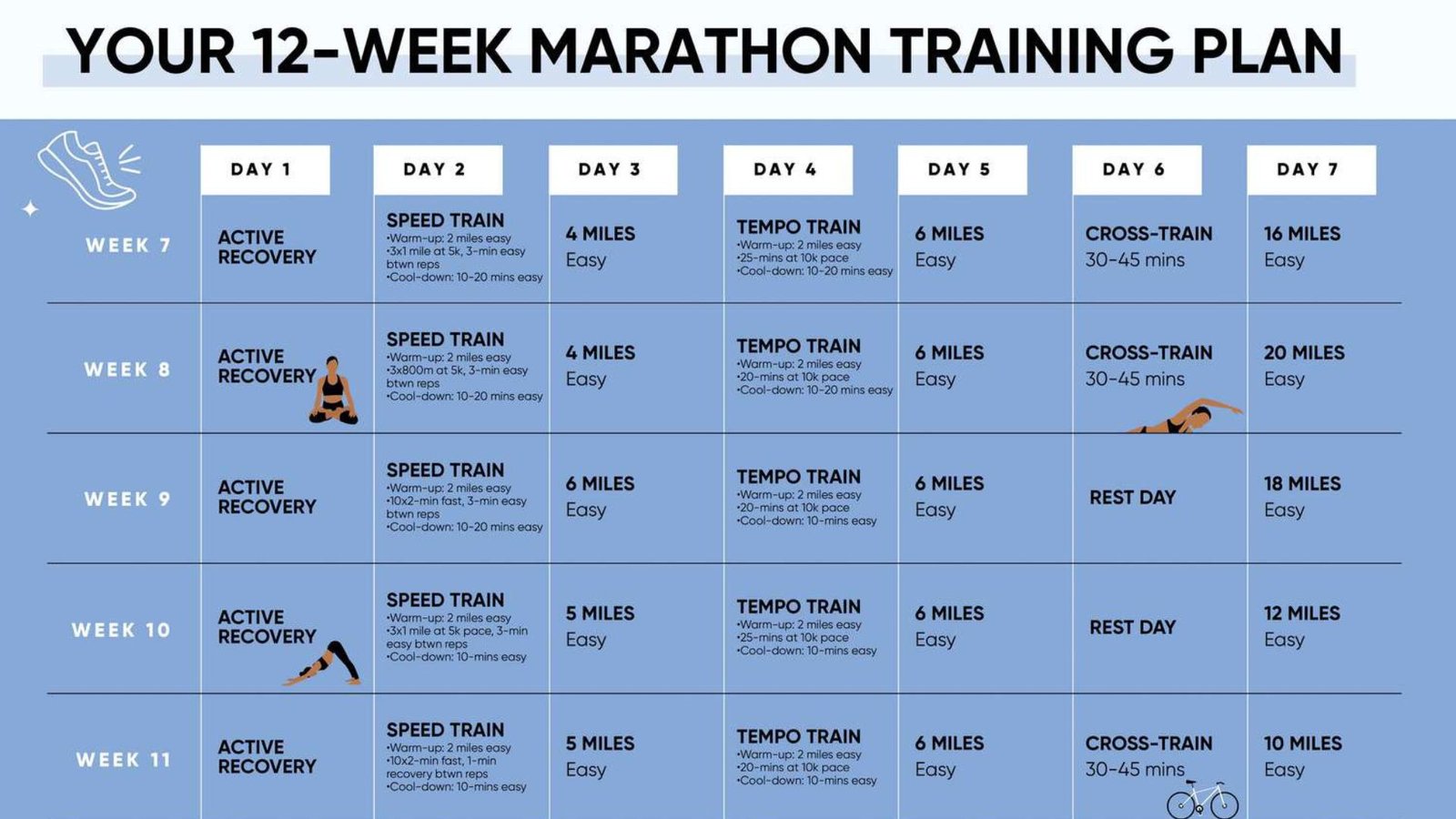
    A structured marathon training plan is crucial to your success. These plans are designed to gradually increase your running distance and intensity, helping you avoid burnout and injury.

    • Training Phases: Marathon training plans typically span 16-20 weeks and include different phases. These phases include building endurance, focusing on speed, and tapering before the race.
    • Long Runs: One of the most important components of your plan is the weekly long run. Gradually increase the distance of your long runs each week, ensuring that you’re prepared for the full 26.2 miles.
    • Rest and Recovery: Rest days are equally important in your training plan. Your body needs time to recover and rebuild muscles after hard workouts.

    3. Incorporate Speed Work

    To run a marathon effectively, you need to build both endurance and speed. Incorporating speed workouts into your training will help you improve your pace and overall race performance.

    • Tempo Runs: Tempo runs are sustained efforts run at a “comfortably hard” pace, usually around 80-85% of your maximum effort. These runs help increase your lactate threshold, allowing you to run faster without getting fatigued.
    • Interval Training: Interval training involves alternating between periods of high-intensity running and recovery. For example, sprint for 1 minute, followed by 2 minutes of light jogging. This workout boosts your VO2 max and running economy.
    • Hill Repeats: Incorporate hill training to improve strength and running form. Running hills builds muscle and improves your cardiovascular fitness, which will help on race day.

    4. Fuel Your Body Properly

    Proper nutrition and hydration are essential for marathon training. You need the right fuel to support long runs and speed workouts.

    • Carb Loading: Before long runs, make sure you’re consuming plenty of carbohydrates to replenish glycogen stores. Carb-loading is particularly important the day before your long run or race.
    • Hydration: Stay hydrated throughout your training, especially on longer runs. Dehydration can lead to fatigue and cramping, so make sure to drink water or sports drinks during your runs.
    • Post-Run Recovery: After each run, prioritize protein and carbohydrate intake to help your muscles recover. A balanced post-run meal or snack will help speed up recovery and replenish energy stores.

    5. Include Cross-Training and Strength Training

    While running is the primary focus of marathon training, cross-training, and strength training can improve your overall fitness and help prevent injuries.

    • Cross-Training: Activities like cycling, swimming, or using an elliptical machine give your legs a break from running while still building endurance. These exercises enhance cardiovascular fitness and improve overall stamina.
    • Strength Training: Strength exercises, especially for the core, hips, and legs, are vital for building muscle and preventing imbalances. Focus on squats, lunges, planks, and leg presses to improve running efficiency and reduce injury risks.

    6. Listen to Your Body

    Marathon training is demanding, and it’s important to pay attention to how your body feels.

    • Watch for Injury Signs: If you feel pain that lingers beyond a few days or becomes sharp and intense, take a step back and consider resting. Pushing through pain can lead to serious injuries that will set back your progress.
    • Rest and Recovery: Make sure to take at least one rest day a week, especially as your mileage increases. This allows your body to recover and rebuild stronger for the next workout.

    7. Taper Before the Race

    In the final weeks before the marathon, you’ll enter the tapering phase, where you decrease your mileage to allow your body to rest and recover for race day.

    • Reduce Intensity and Distance: In the last two to three weeks before the race, gradually reduce your weekly mileage. This will help you feel fresh and energized on race day.
    • Maintain Some Intensity: While you’ll cut back on overall mileage, keep up the intensity with shorter tempo runs or intervals to maintain fitness without overtraining.

    8. Race Day Strategy

    Having a clear strategy on race day can make a big difference in your performance.

    • Pacing: Start the race at a comfortable pace. Many marathon runners make the mistake of going out too fast, which can lead to exhaustion later in the race. Aim to run negative splits, where you run the second half faster than the first.
    • Nutrition and Hydration: During the race, take in fluids and carbohydrates at regular intervals. Many runners use energy gels or chews during the race to maintain energy levels.
    • Mindset: Stay positive and break the race into smaller segments. Focus on getting to the next mile marker or aid station rather than thinking about the entire 26.2 miles.

    Conclusion

    Training for a marathon is a long-term commitment that requires consistency, dedication, and proper planning. By following a structured training plan, incorporating speed work, fueling your body properly, and listening to your body, you’ll be well-prepared for race day. Cross-training and strength training will also enhance your overall fitness, making you stronger and more injury-resistant. On race day, stick to your pacing strategy, stay hydrated, and keep a positive mindset. With the right approach, you can achieve your marathon goals and feel a great sense of accomplishment when you cross the finish line.