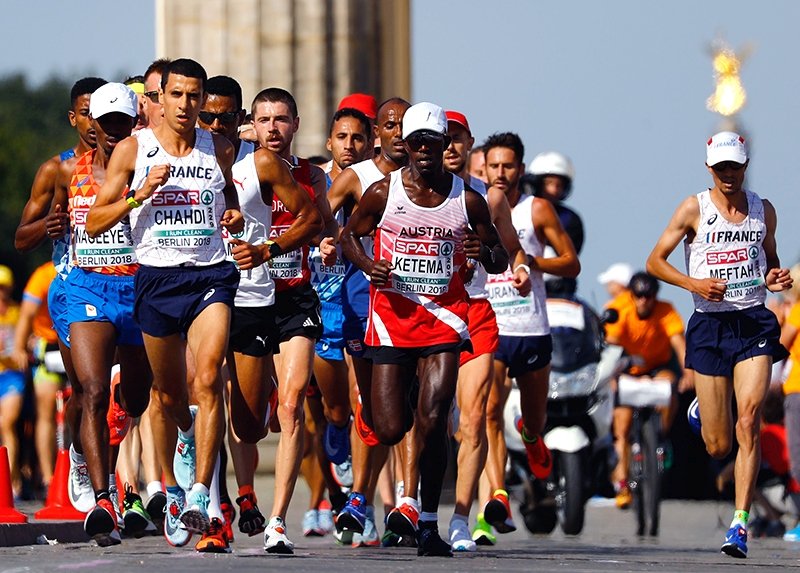
Category: Marathon

  • Cross Country Running Club Events and Competitions

    Cross Country Running Club Events and Competitions

    Cross country running is a thrilling and challenging sport that combines endurance, strategy, and the beauty of nature. For those who are part of running clubs, participating in cross country events and competitions is a great way to test your skills, improve your performance, and experience the camaraderie of like-minded runners. Whether you are new to the sport or a seasoned veteran, these events offer opportunities to challenge yourself in various terrains and weather conditions. In this post, we’ll explore different types of cross country events and competitions and how joining a running club can enhance your experience.

    Cross Country Running Club Events and Competitions
    Cross Country Running Club Events and Competitions

    1. Types of Cross Country Events

    Cross country events come in various formats, catering to a range of skill levels. These events often take place on natural terrains, such as fields, forests, or parks, which provide unique challenges compared to road races. Here are the most common types of cross country competitions:

    Traditional Cross Country Races

    These races involve running over a series of different terrains, such as hills, grass fields, and trails. The distances vary, typically ranging from 5 kilometers for shorter races to 10 kilometers or more for longer competitions. Runners are required to tackle changing conditions, including mud, dirt, and uneven surfaces.

    Relay Races

    In relay-style cross country events, teams of runners take turns completing segments of the race. Each team member runs a portion of the total distance before passing off the baton to the next runner. Relay races are fast-paced and require coordination and strategy, as well as endurance.

    Championship Events

    At higher levels, competitive cross country races include regional, national, and even international championship events. These races attract top athletes from across the world and are often part of prestigious competitions like the NCAA Cross Country Championship in the United States or the IAAF World Cross Country Championships globally. These events are usually held annually and can be quite intense.

    Junior and Age Group Competitions

    Many running clubs also participate in junior and age-group cross country events. These events cater to younger runners, offering age-appropriate race distances and challenges. Age-group competitions are a fantastic way for youth runners to get involved and develop their skills in a competitive yet supportive environment.

    Running and Online Excitement

    Garioch Roadrunners is a friendly and welcoming running club based in Aberdeenshire, catering to runners of all abilities. For a different kind of engaging online experience, discover https://www.kingjohnnie.me/en/online-blackjack. Experience the strategic thrill of online card games.

    2. Benefits of Participating in Cross Country Competitions

    Joining a cross country running club and participating in its events offers a variety of benefits, both physically and mentally. Here are some of the key advantages:

    Improve Endurance and Stamina

    Cross country running events test your physical endurance as you navigate diverse terrain and unpredictable conditions. Training and competing in these races will help improve your cardiovascular fitness, stamina, and muscle strength, which can benefit runners in other types of races as well.

    Develop Mental Toughness

    Running on challenging, often hilly, and muddy courses builds mental resilience. Overcoming obstacles like difficult weather or tough terrain teaches you how to push through discomfort, stay focused, and maintain a positive attitude—even when things get tough.

    Foster a Sense of Community

    Cross country running clubs often have a close-knit, supportive atmosphere. Participating in events allows runners to bond with teammates, form lasting friendships, and cheer each other on during races. The shared experience of tackling a tough course and celebrating victories (or learning from defeats) creates a strong sense of camaraderie.

    Learn New Skills

    Runners can learn various techniques in cross country competitions, such as how to pace themselves, how to handle different types of terrain, and how to stay strategic in group running situations. Whether you’re learning to conserve energy for the latter part of the race or mastering the technique of running uphill, every race offers valuable lessons.

    Running for Fitness and Enjoyable Leisure

    GariochRoadRunners.com encourages a community of runners to stay active, improve performance, and enjoy the benefits of regular exercise. While focusing on health and training, taking occasional breaks with trusted entertainment platforms like jokacasino Casino Login can provide a fun and responsible way to relax. Balancing fitness routines with mindful leisure helps maintain motivation and overall well-being.

    3. Popular Cross Country Competitions Around the World

    Across the globe, there are many prestigious cross country events where athletes can compete and showcase their skills. Here are some of the most popular competitions that cross country running clubs often take part in:

    The Great Edinburgh Cross Country

    Held annually in Edinburgh, Scotland, this event features international athletes competing in various categories, including junior and senior races. The course is known for its challenging terrain and unpredictable weather, making it an exciting event for both runners and spectators.

    The NCAA Cross Country Championship (USA)

    The NCAA Cross Country Championship is one of the biggest events in collegiate athletics in the United States. Held annually in November, this event brings together the top college runners from across the country to compete for national titles in both men’s and women’s divisions.

    European Cross Country Championships

    Held annually, this competition features top runners from European countries and includes races for men, women, and juniors. The event is highly competitive and serves as an opportunity for athletes to showcase their skills on an international stage.

    The IAAF World Cross Country Championships

    The IAAF World Cross Country Championships is the premier international event for cross country running. Athletes from across the globe come together to compete in various races, including the senior men’s and women’s races, as well as junior divisions. The event is highly prestigious, and the races are often fast-paced and full of elite competition.

    National Cross Country Championships (Various Countries)

    Most countries host their own national cross country championships, where elite athletes from within the nation compete for the top titles. Examples include the UK Cross Country Championships and the USATF National Cross Country Championships. These events often serve as qualifying races for international competitions, making them significant stepping stones for athletes.

    Motorsport Betting Resources

    Stay ahead in motorsport betting using https://www.bestusabettingsites.com/motorsport-betting/. Access expert tips and live odds for smarter wagers. Suitable for casual and professional bettors. Make racing more exciting with informed strategies.

    4. How to Get Involved in Cross Country Competitions

    Joining a cross country running club is one of the best ways to start participating in competitions. Whether you are a beginner or an experienced runner, here’s how you can get involved:

    1. Find a Local Running Club

    Look for running clubs in your area that offer cross country training and participation in events. Many clubs have different groups based on experience levels, so you can find one that suits your current skill and fitness level.

    2. Participate in Local Events

    Once you’re comfortable with your training, start by participating in local cross country races and smaller competitions. These races are less intense and provide valuable experience that will help you build confidence for larger events.

    3. Attend Training Sessions

    Cross country clubs often host group training sessions, where you can improve your endurance, learn techniques, and receive support from other runners. Regular participation in training sessions will enhance your race-day performance.

    4. Set Goals and Track Your Progress

    Set clear goals for yourself, whether it’s completing your first race, achieving a personal best, or qualifying for a national competition. Tracking your progress and celebrating your milestones will keep you motivated and focused.

    5. Cross Country Events for All Ages

    Cross country running is a sport for everyone. Events cater to all age groups, from young children to senior citizens. Many cross country running clubs have divisions for kids, teens, and older runners, ensuring that participants of all ages can find events suited to their abilities and experience.

    Youth Competitions

    Cross country clubs often organize events for children and adolescents, allowing younger runners to experience competition and develop their skills. These events focus on fun, participation, and personal development, making them a great way for kids to get into running.

    Adult and Masters Competitions

    Cross country events aren’t limited to younger runners. Many clubs host adult and masters categories for more experienced competitors, allowing participants to race against others in their age group. These events offer an opportunity for seasoned athletes to showcase their skills and challenge themselves.

    Finding Excitement Beyond the Track

    At Garioch Road Runners, passion for speed and endurance drives every runner forward. When it’s time to relax, windows casinos offer an engaging way to unwind with thrilling digital games. These platforms combine smooth gameplay with strategic challenges, perfect for those who appreciate both competition and fun. Whether on the road or online, excitement is always within reach.

    Conclusion

    Cross country running is an exciting and rewarding sport, offering a variety of events and competitions for runners of all levels. Whether you are looking to compete in local races, tackle national championships, or simply enjoy the camaraderie of a running club, cross country events provide numerous opportunities for growth and achievement. By getting involved in a running club and participating in cross country races, you’ll improve your physical fitness, develop mental toughness, and experience the thrill of competing in beautiful and challenging natural environments. So, lace up your shoes and find a cross country event near you—there’s no better time to get started!


  • The Mental Challenges of Running a Marathon

    The Mental Challenges of Running a Marathon

    Running a marathon is not just a physical feat—it’s a psychological challenge that requires mental toughness, perseverance, and focus. While the physical aspects of training and race day are demanding, many runners often find the mental hurdles to be even more daunting. From moments of self-doubt to the overwhelming fatigue that comes with running 26.2 miles, the mental game of a marathon can make or break your experience. In this post, we’ll dive into the mental challenges marathon runners face and explore strategies to overcome them.

    The Mental Challenges of Running a Marathon
    The Mental Challenges of Running a Marathon

    Pushing Limits On the Track and Beyond

    Garioch Road Runners inspire dedication and endurance in every stride, while platforms like Wolfwinner Casino Room Login add an exciting digital challenge off the track. Exploring diverse experiences keeps both training and leisure engaging.

    1. The Challenge of Self-Doubt

    One of the most common mental obstacles runners face is self-doubt. The enormity of a marathon can trigger thoughts like, “What if I can’t finish?” or “What if I hit the wall?” These doubts can arise at any stage of the race, but they’re especially common during training and in the final stretch of the marathon.

    Overcoming Self-Doubt:

    • Positive self-talk: Replacing negative thoughts with positive affirmations is crucial. Remind yourself of the hard work you’ve put in and the progress you’ve made.
    • Visualization: Visualizing yourself crossing the finish line and achieving your goal can help strengthen your belief in your ability. Picture yourself running smoothly and confidently through difficult moments.
    • Focus on the present: Instead of thinking about how far you still have to go, focus on the current mile or even the next step. Breaking down the race into smaller, more manageable goals can ease the burden.

    Self-doubt is a natural part of the marathon experience, but recognizing it and pushing through it can build mental resilience.

    Running Community and Exclusive Gaming

    Garioch Roadrunners fosters a supportive community for runners of all abilities, promoting fitness, teamwork, and the pursuit of personal endurance goals. For members seeking premium online entertainment and a thrilling leisure experience during their recovery time, the exclusive privileges of Stellarspins Casino VIP provide a distinct option.

    2. Coping with Fatigue and Physical Pain

    As you push through the marathon, fatigue and physical discomfort will inevitably set in. Your muscles will ache, your energy will wane, and you may start questioning whether you can continue. However, your ability to cope with this pain is directly tied to your mental fortitude.

    Managing Fatigue and Pain:

    • Mind over matter: Acknowledge the pain, but don’t let it define your experience. Focusing on the joy of running or the satisfaction of taking another step forward can shift your mindset.
    • Mental breaks: Take short mental breaks during the race. Focus on your breathing, take in the scenery, or count your strides to distract yourself from the discomfort.
    • Run through it: Marathon runners often talk about the “wall”—the point where fatigue sets in so intensely that it feels almost impossible to continue. Reaching this point is normal, but learning to push through it can help you finish strong.

    While physical pain is a given during a marathon, how you respond to it mentally can determine your success. Developing mental strategies to cope with discomfort is key to completing the race.

    3. The Loneliness of Long Distances

    Marathon running is often an individual sport, and the solitude during long runs or the final miles of the race can feel isolating. For many runners, the mental challenge of feeling alone or disconnected from others can be just as difficult as the physical demands of the race.

    Overcoming Loneliness:

    • Community support: Engage with other runners, whether through training groups or online communities. Sharing your journey with others helps combat feelings of isolation and provides mutual encouragement.
    • Race-day crowd support: During the marathon, take advantage of the crowd’s energy. High-fives, cheers, and the support of fellow runners can lift your spirits and keep you moving forward.
    • Find your inner motivation: In the final miles, when you’re running alone, remind yourself of why you started this journey. Reflecting on your personal goals, family support, or the cause you’re running for can reignite your determination.

    The marathon is often a solitary journey, but it’s important to remember that you’re never truly alone—support can come from unexpected places.

    4. Managing the Fear of “Hitting the Wall”

    “Hitting the wall” is a term marathon runners use to describe the point when their body’s energy reserves are depleted, typically around the 20-mile mark. This moment can trigger panic, self-doubt, and the overwhelming thought of quitting. The fear of hitting the wall can cause anxiety even before race day.

    How to Conquer the Fear of Hitting the Wall:

    • Proper fueling: One of the most important strategies for preventing hitting the wall is to fuel properly during the race. Ensure that you’re consuming enough carbohydrates and electrolytes throughout the race to keep your energy levels up.
    • Mindset shift: Rather than fearing the wall, reframe it as a natural part of the marathon experience. Understand that fatigue is temporary, and with mental focus, you can push through it.
    • Break the race into segments: Mentally breaking the race into smaller sections helps manage the fear of the wall. For example, focus on the next 5K rather than the entire distance.

    The fear of hitting the wall can create anxiety before the race, but by preparing mentally and fueling appropriately, you can minimize the risk and navigate it more effectively.

    5. The Power of Consistency and Discipline

    Staying consistent in your training and maintaining a disciplined mindset is essential for marathon success. The mental challenge of committing to months of rigorous training, even on days when you feel tired or unmotivated, can wear on any runner. However, discipline builds confidence and mental strength over time.

    Developing Mental Discipline:

    • Create a training routine: Stick to a well-structured training plan that incorporates various workouts such as long runs, speed work, and recovery days. Following a routine builds mental resilience and makes race day feel like the culmination of consistent effort.
    • Set mini-goals: Setting small, achievable goals throughout your training journey can give you something to focus on. Whether it’s hitting a specific distance or achieving a personal record, mini-goals keep you motivated.
    • Embrace discomfort: Recognize that discomfort is part of the process. Mental discipline is about embracing the struggle and continuing to push forward despite the challenges.

    Building consistency and discipline in your training helps you cultivate a strong mindset for race day and ensures you’re mentally prepared for the marathon’s demands.

    6. Dealing with Mental Fatigue

    Mental fatigue is a unique challenge in marathon running. Even when your legs are still moving, your brain can start to feel exhausted. The cumulative effect of long-distance running, combined with the emotional and psychological toll, can create a sense of mental exhaustion that feels just as intense as physical fatigue.

    How to Combat Mental Fatigue:

    • Break the race into manageable chunks: Focus on getting through the next mile, not the whole race. When you reach each checkpoint, celebrate that small victory, and focus on moving forward.
    • Stay present: Mindfulness techniques, like focusing on your breath or repeating a mantra, can help you stay grounded in the present moment and stave off mental fatigue.
    • Stay positive: Combat mental fatigue by focusing on the positives—whether it’s the joy of running, the excitement of the crowd, or the satisfaction of hitting a training milestone.

    By managing mental fatigue, you can stay focused and prevent burnout during the later miles of the marathon.

    Building Mental Strength for Marathon Success

    Running a marathon demands not only physical endurance but also a strong mental focus to overcome fatigue and maintain motivation. Developing strategies to stay positive and manage stress can significantly improve performance. After intense training, relaxing with a game like https://www.stellarspins.ai/en/online-baccarat can provide a fun mental break. Balancing challenge and relaxation is key to long-term success.

    Conclusion

    Running a marathon is as much a mental challenge as it is a physical one. From overcoming self-doubt to coping with pain and fatigue, the mental hurdles you face during your training and on race day can be significant. However, by employing mental strategies such as positive self-talk, visualization, and maintaining a disciplined routine, you can build the psychological resilience necessary to conquer these challenges. Remember, the mental game is often what separates those who finish a marathon from those who quit. With the right mindset, you can overcome any obstacle and cross the finish line with pride


  • Nutrition Strategies for Marathon Runners

    Nutrition Strategies for Marathon Runners

    Marathon running is not only a test of physical endurance but also a challenge for your nutritional strategy. Proper fueling before, during, and after the race is crucial to achieving peak performance and avoiding mid-race fatigue. Without the right nutrition, even the most well-trained runners can struggle during the 26.2-mile journey. In this post, we’ll dive into the best nutrition strategies to help marathon runners fuel effectively, maintain energy, and recover faster.

    Nutrition Strategies for Marathon Runners
    Nutrition Strategies for Marathon Runners

    1. Pre-Race Nutrition: Carbohydrate Loading

    What you eat in the days leading up to the marathon plays a significant role in your energy reserves. Carbohydrates are the primary source of fuel for long-distance runners, so maximizing glycogen stores is essential. This process, known as carbohydrate loading, can help you maintain energy throughout the race.

    Key Pre-Race Nutrition Tips:

    • Carb-loading: Start increasing your carbohydrate intake 3-4 days before the race. Aim for about 7-10 grams of carbohydrates per kilogram of body weight. Focus on complex carbohydrates like pasta, rice, bread, and starchy vegetables.
    • Avoid fats and fibers: While it’s important to eat carbs, you should avoid excessive fats and fiber close to race day. These can cause digestive issues during the marathon.
    • Hydrate well: In the days leading up to race day, ensure that you’re well-hydrated. Aim to drink water consistently, but don’t overdo it to avoid bloating.

    Eating the right foods in the days before your race will help you build up sufficient glycogen stores for the marathon. A well-fueled body can maintain energy and reduce the chances of hitting the “wall” later in the race.

    2. Race Day Nutrition: Fueling During the Marathon

    The marathon is a long journey, and you’ll need to refuel during the race to sustain your energy levels. Knowing when and how to eat and drink can help you avoid fatigue and keep your body operating at its best.

    In-Race Nutrition Strategies:

    • Hydration: Start by staying hydrated early in the race. Drink small sips of water at regular intervals to prevent dehydration. Some races provide sports drinks, which contain electrolytes and carbohydrates to keep your energy levels stable.
    • Carb intake: Aim to consume 30-60 grams of carbohydrates per hour during the race, typically in the form of gels, chews, or sports drinks. Test your fueling strategy during training to determine what works best for you.
    • Avoid over-consumption: While it’s important to fuel regularly, don’t overeat. Too many carbs at once can lead to digestive discomfort or bloating. Stick to small, manageable portions every 30-45 minutes.
    • Electrolytes: Maintain your electrolyte balance by using products that contain sodium, potassium, and magnesium. These help prevent muscle cramps and maintain fluid balance.

    Fueling during the race is all about maintaining your energy levels and preventing a bonk or hitting the wall. By consuming the right amount of carbohydrates and electrolytes, you can keep running strong for the entire marathon.

    3. Post-Race Nutrition: Recovery and Muscle Repair

    After crossing the finish line, your body will need time and proper nutrition to recover from the exertion. Replenishing glycogen stores, repairing muscles, and rehydrating are the key aspects of post-race nutrition.

    Post-Race Nutrition Tips:

    • Replenish glycogen: Within 30-60 minutes of finishing the race, eat a meal or snack that contains carbohydrates to replenish your glycogen stores. Good options include fruit, rice, or a sports recovery drink.
    • Protein for muscle recovery: Include protein in your post-race meal to aid muscle repair. Aim for about 10-20 grams of protein within the first hour after the race. Foods like lean meats, yogurt, or a protein shake are excellent sources.
    • Hydrate with electrolytes: Rehydrate with water, coconut water, or a sports drink containing electrolytes. This helps to restore your body’s fluid balance and prevent dehydration.
    • Avoid junk food: While it may be tempting to indulge in fast food or sugary treats after the race, opt for nutrient-dense options that support your recovery, like lean protein, whole grains, and fresh fruits and vegetables.

    Eating the right foods after the marathon not only aids in recovery but can also reduce soreness and help you feel more energetic in the days following the race.

    Training and Recovery

    After a long run, recovery and mental relaxation are crucial for any runner. Finding diverse ways to unwind can be just as important as the training itself, and some members enjoy exploring online entertainment like the ones that offer top casino bonuses.

    4. The Role of Fats in Marathon Nutrition

    While carbohydrates are the primary fuel source for marathon runners, fats also play an important role in long-distance endurance. They provide sustained energy for longer races, especially once your glycogen stores begin to deplete.

    Healthy Fat Sources:

    • Avocados: Packed with healthy monounsaturated fats, avocados provide slow-burning energy and aid in nutrient absorption.
    • Nuts and seeds: These are great sources of omega-3 fatty acids, which help reduce inflammation and muscle soreness.
    • Olive oil: Use olive oil for cooking or as a salad dressing for added heart-healthy fats.

    Incorporating healthy fats into your diet during training can help improve overall endurance and provide steady energy during the marathon. However, avoid high-fat meals immediately before or during the race, as they can cause sluggishness.

    5. Timing Your Meals for Optimal Performance

    Meal timing is just as important as the types of foods you eat. Proper meal timing ensures that your body has enough energy without feeling weighed down by a full stomach.

    Pre-Race Meal Timing:

    • Meal timing: Have your pre-race meal about 3-4 hours before the race starts. The meal should be high in carbohydrates, moderate in protein, and low in fats and fiber. Avoid foods that may upset your stomach or cause bloating.
    • Snacks: If you need a snack closer to the race start (1-2 hours before), choose easily digestible carbs like a banana, toast, or an energy bar.

    During the Race:

    • Fuel early: Start fueling within the first 30 minutes of the race. This helps keep your blood sugar levels stable and prevents a late-race energy crash.
    • Consistency: Maintain regular fueling throughout the race, taking small, manageable amounts of carbs, hydration, and electrolytes every 30-45 minutes.

    Post-Race Meal Timing:

    • Recovery window: The first 30-60 minutes after the marathon are critical for replenishing glycogen stores and initiating muscle repair. Eat a balanced meal within this window to maximize recovery.
    • Ongoing recovery: In the hours following the race, continue to hydrate and eat small, balanced meals to continue muscle recovery and rehydrate properly.

    By timing your meals correctly, you’ll maximize your energy levels during the race and speed up recovery afterward.

    6. Common Marathon Nutrition Mistakes to Avoid

    Even the best training plans can be derailed by poor nutrition choices. Here are some common mistakes marathon runners make and how to avoid them:

    Mistakes to Watch Out For:

    • Skipping breakfast on race day: Fasting on race morning can leave you low on energy. Always eat a light meal 3-4 hours before the race.
    • Trying new foods or drinks on race day: Stick to what you’ve practiced during training. New foods or drinks can upset your stomach or cause digestive issues.
    • Dehydrating during the race: Hydration is key, but drinking too much water without electrolytes can lead to hyponatremia (low sodium levels). Be mindful of electrolyte balance.
    • Underfueling during the race: Many runners underestimate their carb needs during the marathon. Consistent fueling is crucial to prevent energy crashes.

    Avoiding these mistakes ensures that you’re properly fueled and ready to tackle the marathon with optimal energy.

    Conclusion

    Nutrition is a critical component of marathon training and race day performance. From carbohydrate loading before the race to fueling throughout the marathon and focusing on recovery afterward, every aspect of your nutrition strategy plays a role in your success. By implementing these nutrition tips, you’ll be better prepared to run your best race, avoid fatigue, and recover quickly. Remember, fueling properly is not just about performance—it’s about ensuring that your body can handle the physical demands of running 26.2 miles. Stay fueled, stay hydrated, and enjoy the journey to the finish line!

  • The Importance of Pacing in Marathon Races

    The Importance of Pacing in Marathon Races

    Pacing is one of the most critical aspects of marathon running, yet it is often overlooked by many first-time participants. Running a marathon races isn’t just about finishing the race—it’s about managing your energy over 26.2 miles to ensure you cross the finish line strong. Proper pacing can make the difference between a personal best and a struggle to complete the race. In this post, we’ll explore why pacing matters, how to pace yourself effectively, and how to avoid common pacing mistakes that could derail your marathon race.

    The Importance of Pacing in Marathon Races
    The Importance of Pacing in Marathon Races

    1. Understanding the Importance of Pacing

    Pacing refers to the speed at which you run during a race, and it’s essential because it directly affects your endurance and overall performance. A marathon is a long race, requiring you to balance speed with stamina. If you start too fast, you risk burning out before reaching the finish line. If you start too slow, you might not be able to achieve your desired finish time.

    Why Pacing is Key:

    • Energy conservation: The goal of pacing is to ensure that you have enough energy to finish strong. By pacing yourself correctly, you prevent early fatigue and ensure that you have the stamina to complete the race at a consistent effort.
    • Preventing burnout: Marathons are grueling, and pacing is essential to avoid hitting the wall—a term used when runners experience extreme fatigue due to running too fast early on.
    • Optimizing performance: Effective pacing can help you achieve your target time, whether that’s finishing in a specific time frame or just completing the race without injury.

    Pacing allows you to run the marathon at a sustainable speed, preserving your energy for the later stages when your body needs it most.

    Running Community and Relaxation

    After pushing their limits in a marathon or a tough cross-country run with the Garioch Road Runners, members look forward to well-deserved relaxation and social time. Some runners find a unique form of competitive unwinding by engaging with a reputable australian casino online, offering a different kind of thrill from the track.

    2. The Role of Negative Splits

    A negative split refers to running the second half of the marathon faster than the first. While it may sound counterintuitive, negative splits are often the most effective pacing strategy for marathoners. Starting slow and gradually increasing your pace can help you finish stronger and with less fatigue.

    Benefits of Running Negative Splits:

    • Energy distribution: By starting conservatively, you conserve energy for the latter part of the race, allowing you to push the pace when others are starting to tire.
    • Mental advantage: Maintaining a consistent pace and gradually increasing it can give you a mental boost, especially when you pass other runners who started too fast.
    • Stronger finish: Negative splits allow you to finish with a sense of accomplishment, as your last miles will feel more controlled and deliberate rather than a desperate sprint to the finish.

    Negative splits are often associated with more experienced marathon runners, but even beginners can adopt this strategy for better race outcomes.

    3. Pacing Strategies for Different Marathon Goals

    The ideal pacing strategy can vary depending on your marathon goals—whether you’re aiming for a personal best, simply completing the race, or finishing under a certain time. Here are different pacing strategies tailored to various goals:

    For a Personal Best:

    • Target pace: Calculate your goal finish time and use that pace to determine your target splits for each mile. Aim for even pacing (running each mile at the same pace) or slight negative splits.
    • Use a pace band: Many runners use pacing bands, which are wristbands that show the required time for each split based on your goal. This helps you stay on track during the race.
    • Monitor your effort: Use your body’s signals (breathing, perceived effort, and heart rate) to gauge your pace. This is especially helpful for preventing burnout and adjusting if needed.

    Best Aussie jackpot site

    At Garioch Road Runners, we believe in staying ahead with both fitness and fun. While our members focus on endurance, balance, and performance, exploring rewarding leisure options can also bring excitement beyond the track. For those who enjoy online entertainment, the Best Aussie jackpot site offers a thrilling experience with top-tier games and generous rewards. Just like our dedication to training, this platform values consistency, strategy, and the joy of achievement.

    For First-Time Marathoners:

    • Start conservatively: As a beginner, aim to start slower than you think you should. Many first-timers get caught up in the excitement and start too fast, leading to exhaustion later in the race.
    • Run/walk strategy: If you’re aiming for a more relaxed race experience, consider using a run/walk strategy. Alternate running with walking breaks at set intervals (e.g., running for 5 minutes, walking for 1 minute).
    • Focus on completion: Your pacing should prioritize finishing the race strong and injury-free rather than chasing a specific time. Focus on staying consistent and managing your energy levels.

    For Experienced Runners:

    • Build pace gradually: Experienced runners often aim for negative splits, starting slightly slower than their target pace and picking it up in the later miles.
    • Use splits wisely: Experienced runners should target specific pace goals for each segment of the marathon, adjusting based on the terrain, weather, and how their body feels.
    • Know your limits: For seasoned runners, pacing also means knowing when to push and when to hold back. This comes with experience and an understanding of your own body’s rhythms.

    4. How to Find Your Optimal Marathon Pace

    Finding your optimal marathon pace takes time and practice. It’s important to test different pacing strategies during your training to determine what works best for you.

    Methods for Finding Your Marathon Pace:

    • Tempo runs: Tempo runs are runs where you maintain a comfortably hard pace—usually around 80-90% of your maximum effort. These runs help you gauge what feels sustainable and what pace you can hold for long periods.
    • Long runs: During your long training runs, experiment with different paces to find what feels most comfortable. Your goal is to find a pace that you can sustain for 26.2 miles without burning out.
    • Race simulations: A few weeks before race day, simulate race conditions by running a race-pace long run. This will give you a feel for the pacing you should maintain during the marathon.

    It’s important to practice pacing during your training so that it becomes second nature on race day. Pay attention to your energy levels, breathing, and mental state to determine which pace suits you best.

    5. How to Adjust Your Pace During the Marathon

    On race day, even with the best preparation, unexpected factors like weather, terrain, or race-day nerves can impact your pace. Knowing how to adjust during the marathon is essential to maintaining your energy and optimizing performance.

    Adjusting for External Factors:

    • Hills: Use a slower pace on hills, particularly uphill, and focus on maintaining effort rather than speed. Downhills can allow for faster paces, but be cautious not to overexert your quads.
    • Weather conditions: Hot or windy conditions may require slowing down to avoid overheating or fatigue. Adjust your pace based on how your body feels and make sure to hydrate more frequently.
    • Fueling: If you feel your energy levels dropping, adjust your pace to allow for fueling or hydration. Don’t be afraid to take a brief walk or slow down to get the nutrition your body needs.

    Adapting your pace during the race shows self-awareness and the ability to listen to your body. Overexertion early in the race can lead to significant performance declines, but pacing adjustments allow you to manage your energy more efficiently.

    6. Tools and Technology to Help You Pace

    Several tools and technologies can help you stay on pace during your marathon. These can be especially useful for tracking your splits and adjusting your strategy throughout the race.

    Helpful Tools:

    • GPS watches: Many marathon runners rely on GPS watches to track their pace in real time. These watches display your current pace, average pace, and distance, helping you stay within your target pace.
    • Pacing apps: Some apps, like Strava or Runkeeper, allow you to plan your pacing strategy in advance and give you real-time feedback during the race.
    • Pacing bands: These wristbands show the splits needed to reach your goal time, offering a quick reference during the race without needing to check your watch.

    Using these tools can help you stay on track and adjust your strategy as needed throughout the marathon.

    7. Common Pacing Mistakes to Avoid

    While pacing is essential for marathon success, many runners make common mistakes that can hinder their performance. Here are a few to avoid:

    Pacing Mistakes:

    • Starting too fast: This is one of the most common mistakes, especially for first-time marathoners. It’s easy to get caught up in the excitement of the race, but starting too fast can leave you drained before the finish line.
    • Ignoring fatigue signals: While it’s important to stick to your plan, ignoring signs of fatigue and pushing too hard can lead to injury or an early race collapse.
    • Overexerting on downhill sections: Many runners push too hard downhill, thinking it’s an opportunity to make up time. This can cause unnecessary strain on your quads and lead to fatigue later in the race.

    Avoiding these pacing pitfalls requires discipline and the ability to stick to your plan, no matter what happens around you during the race.

    Running Community and Fitness Inspiration

    Garioch Road Runners brings together a passionate community of runners who support each other in achieving fitness goals and enjoying local events. Members benefit from training tips, social runs, and inspiring stories from fellow athletes. After a long run, you might want to relax and have some fun by visiting Jokacasino VIP for a top-tier online gaming experience. Staying active and entertained has never been easier with Garioch Road Runners.

    Conclusion

    Pacing is a key factor in marathon success, and the best runners know how to manage their energy throughout the entire race. By setting a strategy before race day, practicing pacing during training, and adjusting when necessary, you’ll set yourself up for a successful marathon experience. Whether you’re aiming for a personal best or simply hoping to cross the finish line, pacing will be the cornerstone of your marathon journey. Remember, it’s not just about running hard—it’s about running smart


  • How to Train for Your First Marathon

    How to Train for Your First Marathon

    Training for your first marathon is an exciting and challenging journey. Whether you’re running for personal achievement or setting a fitness goal, preparing for a marathon requires dedication, consistency, and smart planning. With the right approach, you can cross the finish line stronger and more confident than ever. In this guide, we’ll walk you through the essential steps and strategies to successfully train for your first marathon.

    How to Train for Your A Marathon
    How to Train for Your A Marathon

    1. Set Realistic Goals

    Before starting your marathon training, it’s essential to set realistic and achievable goals. Your goals should be specific, measurable, and focused on your improvement.

    Why Goal Setting Matters:

    • Motivation boost: Having a clear goal will keep you motivated during difficult training sessions.
    • Track progress: Setting goals helps you monitor your progress, ensuring that you’re on the right track.
    • Focus: Goals give you a sense of direction and help you stay focused during training.

    Your goals could range from simply finishing the marathon to achieving a specific finishing time. Whatever your goal is, ensure it aligns with your fitness level and training capacity.

    2. Choose a Training Plan

    Selecting the right marathon training plan is critical to building endurance and preventing injury. Training plans typically span 16-20 weeks and outline weekly mileage, long runs, and recovery days. Many training plans also incorporate cross-training and rest days.

    Tips for Choosing a Plan:

    • Experience level: Choose a plan that matches your experience. If you’re new to running, look for beginner-friendly plans that gradually build your weekly mileage.
    • Time commitment: Consider the number of hours you can commit to training each week. Some plans require 4-5 days of running, while others are more flexible.
    • Flexibility: Pick a plan that allows some adjustments in case life gets in the way. It’s important to listen to your body and adapt your plan accordingly.

    Most beginner marathon plans start with a few short runs per week and progressively increase the distance. They also include long runs on weekends to build stamina.

    3. Build Your Endurance with Long Runs

    Long runs are the cornerstone of marathon training. These runs help your body adapt to the physical and mental challenges of running for extended periods.

    Key Tips for Long Runs:

    • Start slow: Begin with a distance you’re comfortable with and increase it by 1-2 miles each week. Don’t rush the process; gradual increases prevent injury.
    • Focus on time, not pace: During long runs, prioritize time on your feet rather than speed. It’s essential to learn how your body feels during extended runs.
    • Hydrate and fuel: Practice hydration and nutrition strategies during long runs. Carry water, sports drinks, or energy gels to keep your energy levels high.

    Most marathon training plans gradually build your long runs to 20 miles, with some runners completing 18-22 miles before the race. The long runs help to simulate race-day conditions and prepare your body for the full marathon distance.

    4. Include Speed Work and Cross-Training

    In addition to long runs, speed work and cross-training are vital for improving your overall fitness and running performance. Speed workouts help increase your running pace, while cross-training boosts endurance and prevents burnout.

    Speed Work:

    • Interval training: Run short intervals at a faster pace followed by recovery periods. This helps improve your cardiovascular fitness and running speed.
    • Tempo runs: These runs involve maintaining a challenging but sustainable pace for an extended period. They improve your lactate threshold, making it easier to run at a faster pace without fatigue.

    Cross-Training:

    • Low-impact activities: Cross-training with cycling, swimming, or strength training helps build muscle, improve cardiovascular endurance, and reduce the risk of injury.
    • Variety: Mixing up your routine keeps training interesting and prevents overuse injuries. It also helps maintain overall body strength.

    Incorporating these workouts will not only improve your marathon performance but also enhance your overall health and fitness.

    5. Prioritize Rest and Recovery

    Rest is just as important as running when preparing for your first marathon. Giving your body time to recover after training is crucial for muscle repair, injury prevention, and mental rejuvenation.

    Recovery Tips:

    • Rest days: Schedule at least one full rest day each week. Your body needs this time to repair itself and prepare for the next training session.
    • Sleep: Get 7-9 hours of sleep each night to allow your muscles and tissues to recover properly.
    • Stretching and foam rolling: Stretch after each run and use a foam roller to relieve muscle tightness and prevent injuries.

    Overtraining can lead to burnout and injury, so always listen to your body. If you feel fatigued or sore, it’s better to take an extra rest day than push through.

    6. Practice Race-Day Nutrition

    Training for a marathon isn’t just about running—nutrition plays a crucial role in your performance. Experiment with different foods and drinks during training to see what works best for your body.

    Marathon Nutrition Tips:

    • Carbohydrate loading: In the days leading up to your marathon, increase your carbohydrate intake to boost your glycogen stores. Foods like pasta, rice, and bread are good sources of carbs.
    • During the race: Plan to consume gels, sports drinks, or energy chews at regular intervals during the marathon. This helps maintain your energy levels and avoid “hitting the wall.”
    • Hydration: Stay hydrated throughout your training and during the race. Dehydration can severely impact your performance, so make sure to drink water regularly.

    Make sure to test your nutrition strategies during long runs to ensure your body tolerates them well before race day.

    7. Taper Before the Big Day

    As race day approaches, it’s important to taper your training to allow your body to fully recover and store energy for the marathon. The taper period usually lasts 2-3 weeks before the race, during which you reduce your mileage and intensity.

    Tapering Tips:

    • Cut back on long runs: Decrease the distance of your long runs by 20-30% each week during the taper.
    • Maintain some intensity: While you reduce overall mileage, you can still include shorter speed workouts to keep your legs sharp.
    • Focus on rest: Prioritize recovery during the taper period to ensure that your body feels fresh and ready for the race.

    The tapering phase allows your muscles to repair and recharge, so you’ll be at your best when it’s time to race.

    Balancing Fitness and Leisure: The Rise of Aussie Casinos

    For athletes and active lifestyle enthusiasts, downtime is just as important as training. Engaging in digital pastimes like aussie casinos can provide a fun and relaxed way to unwind after a long run or workout. These platforms offer a break from the intensity of training while still engaging the mind.

    8. Race Day Tips

    Race day is the culmination of all your hard work. To set yourself up for success, follow these tips to ensure a smooth marathon experience.

    Key Race Day Tips:

    • Start slow: It’s tempting to start fast, but pacing yourself from the beginning is crucial. Aim for a steady pace that you can maintain for the entire race.
    • Follow your nutrition plan: Stick to the fueling and hydration strategies you’ve practiced during training. Avoid trying anything new on race day.
    • Stay positive: Marathon running is as much a mental challenge as a physical one. Stay focused, trust your training, and enjoy the experience.

    Race day can be nerve-wracking, but by following these tips and staying calm, you’ll be able to cross the finish line and achieve your marathon goal.

    9. Discover Local Running Clubs and Exciting Online Entertainment

    Garioch Road Runners is a vibrant community for fitness enthusiasts in Inverurie, offering support and motivation for runners of all levels. Whether you’re training for a marathon or just starting out, this club provides a welcoming environment. For a different kind of thrill, check out https://www.stellarspins.ai/en/online-roulette for exciting online roulette action.

    Balancing Focus and Recovery

    Training for your first marathon requires discipline, rest, and mental focus.
    After a long run or a tough training session, taking time to unwind with something fun—like a quick game on jokacasino online casino—can help refresh your mind.
    It’s important to balance physical endurance with enjoyable recovery moments to stay motivated throughout your journey.

    Interactive Soccer Betting

    Garioch Road Runners enthusiasts can explore https://www.bestussportsbetting.com/soccer-betting/ for dynamic betting experiences. Real-time odds and clear predictions enhance engagement. Strategic betting adds excitement to each game. Play responsibly for optimal enjoyment.

    Conclusion

    Training for your first marathon is an incredible journey that requires preparation, dedication, and perseverance. By following a structured plan, gradually building your endurance, incorporating speed work and cross-training, prioritizing rest, and focusing on proper nutrition, you’ll set yourself up for success on race day. Remember, consistency is key, and each step you take brings you closer to the finish line. Stay motivated, trust the process, and enjoy the experience—you’re going to crush your first marathon


  • Common Marathon Injuries and How to Prevent Them

    Common Marathon Injuries and How to Prevent Them

    Marathon training is a rewarding journey, but it also comes with the risk of injuries due to the physical demands of long-distance running. Whether you’re a seasoned marathoner or a first-time participant, understanding the common injuries runners face and how to prevent them can help ensure a successful and injury-free experience. In this post, we’ll explore some of the most common marathon injuries and provide tips on how to prevent them, allowing you to focus on your training and performance.

    Completing a marathon is the ultimate test of endurance, a high-stakes battle against your own limits where dedication and training pay off. The reward is that incredible feeling of crossing the finish line, an exclusive achievement earned through grit. While some people seek a different kind of thrill in a virtual Joka Casino Room VIP lounge, for runners, the real prize is a personal best. For every marathoner training on the roads, that feeling of accomplishment is the only jackpot that matters.

    Common Marathon Injuries and How to Prevent Them
    Common Marathon Injuries and How to Prevent Them

    Shin Splints: Managing the Pain and Preventing Recurrence

    Shin splints, or medial tibial stress syndrome, are one of the most common injuries for marathon runners. The condition typically causes pain along the shinbone, often due to overuse, improper footwear, or sudden increases in training intensity. It is especially common among new runners or those who have ramped up their training too quickly.

    How to Prevent Shin Splints:

    • Gradual Progression: Avoid increasing your mileage too quickly. Gradually build up your distance and intensity over time to allow your body to adjust.
    • Proper Footwear: Invest in shoes that provide adequate support and cushioning. Ensure that your running shoes are appropriate for your foot type and gait.
    • Strengthening Exercises: Incorporate lower-leg strengthening exercises such as calf raises and toe taps to improve muscle endurance and support your shins.
    • Soft Running Surfaces: Run on softer surfaces like grass or trails instead of hard pavement to reduce impact on your shins.

    By taking these precautions, you can reduce your risk of developing shin splints and keep your legs feeling strong and healthy.

    Runner’s Knee: Understanding and Avoiding Patellar Pain

    Runner’s knee, also known as patellofemoral pain syndrome, is a common condition that causes pain around the kneecap. It often results from overuse, improper biomechanics, or weak thigh muscles that fail to support the knee joint adequately. The pain may worsen with activities like running downhill, squatting, or sitting for long periods.

    How to Prevent Runner’s Knee:

    • Strengthen Your Quads: Weak quadriceps muscles can contribute to misalignment of the knee. Include exercises like squats and lunges to strengthen the muscles around the knee.
    • Check Your Running Form: Poor running mechanics, such as overstriding or improper foot placement, can stress the knee. Focus on maintaining a proper stride and landing with a slight bend in your knees.
    • Stretch Your Hamstrings and IT Bands: Tight hamstrings and iliotibial (IT) bands can pull on the knee, leading to discomfort. Incorporate regular stretching for these areas to reduce tension.
    • Use Proper Footwear: Worn-out or ill-fitting shoes can alter your gait and increase your risk of runner’s knee. Make sure your shoes provide proper support and cushioning.

    By incorporating strength training and improving running form, you can reduce the strain on your knees and prevent the onset of runner’s knee.

    IT Band Syndrome: Preventing Lateral Knee Pain

    Iliotibial (IT) band syndrome is another common marathon injury that causes pain along the outside of the knee or thigh. It occurs when the IT band—the connective tissue that runs from the hip to the knee—becomes tight or inflamed. This condition is often caused by overuse, poor running form, or weak hip muscles.

    How to Prevent IT Band Syndrome:

    • Strengthen Hip Muscles: Weak hip abductors can cause the IT band to tighten. Incorporate exercises like side leg raises and clamshells to strengthen the hips.
    • Foam Rolling: Regular foam rolling along the IT band and surrounding muscles can help release tightness and prevent inflammation.
    • Stretch the IT Band: While it’s difficult to stretch the IT band itself, stretching the hip flexors, hamstrings, and quads can alleviate tension in the area.
    • Gradual Mileage Increases: Avoid a sudden increase in mileage, as this can overload the IT band. Gradually build your distance and intensity to avoid overuse injuries.

    By strengthening your hips, regularly stretching, and listening to your body, you can reduce the risk of IT band syndrome and avoid its painful symptoms.

    Plantar Fasciitis: Heel Pain and How to Manage It

    Plantar fasciitis is a common injury that causes pain in the heel, particularly when taking the first few steps in the morning or after long periods of rest. It occurs when the plantar fascia, a thick band of tissue that runs along the bottom of the foot, becomes inflamed. This condition is often caused by overuse, improper footwear, or tight calves.

    How to Prevent Plantar Fasciitis:

    • Stretch Your Calves: Tight calves can strain the plantar fascia. Regularly stretch your calves and Achilles tendon to reduce tension in the feet.
    • Proper Footwear: Wear shoes with adequate arch support and cushioning. Avoid running in old or worn-out shoes that lack support.
    • Foam Roll Your Feet: Using a foam roller or a tennis ball, roll the bottoms of your feet to release tension in the plantar fascia.
    • Foot Strengthening Exercises: Perform exercises like toe curls and towel scrunches to strengthen the muscles in your feet and improve their ability to support your body during running.

    By improving foot mobility and ensuring proper footwear, you can reduce your risk of developing plantar fasciitis and keep your feet pain-free.

    Achilles Tendonitis: Preventing Heel and Ankle Pain

    Achilles tendonitis is an overuse injury that affects the Achilles tendon, causing pain and swelling in the back of the heel. This condition is often caused by running on hard surfaces, wearing improper footwear, or suddenly increasing training intensity. Achilles tendonitis can be debilitating if not addressed promptly, as it affects the tendon that connects the calf muscles to the heel.

    How to Prevent Achilles Tendonitis:

    • Strengthen Your Calves: Calf raises and eccentric calf exercises can help strengthen the Achilles tendon and reduce strain.
    • Gradual Training Progression: Avoid sudden increases in training intensity or mileage. Gradually build your running distance to avoid overloading the Achilles tendon.
    • Proper Footwear: Ensure your shoes offer adequate support and cushioning for your feet, and avoid running in shoes with insufficient arch support.
    • Stretching: Regularly stretch your calves and Achilles tendon to maintain flexibility and prevent tightness.

    By focusing on calf strength and gradual increases in intensity, you can avoid overuse injuries like Achilles tendonitis.

    Conclusion

    Marathon training is demanding on your body, and understanding how to prevent common injuries is crucial to staying on track and performing at your best. By taking proactive steps such as gradually increasing mileage, strengthening key muscle groups, using proper footwear, and incorporating recovery techniques, you can reduce the risk of injuries like shin splints, runner’s knee, IT band syndrome, plantar fasciitis, and Achilles tendonitis.

    Remember, prevention is always better than treatment. Pay attention to your body, listen to its signals, and take care of yourself during your training to ensure you reach the marathon finish line strong and injury-free


  • Preparing for a Marathon: Stretching and Mobility

    Preparing for a Marathon: Stretching and Mobility

    Preparing for a marathon is a comprehensive process that goes beyond just logging miles. Stretching and mobility play an essential role in ensuring that your body is ready for the demands of long-distance running. Proper stretching and mobility exercises not only help improve flexibility but also reduce the risk of injury, enhance performance, and aid in recovery. In this post, we will explore the importance of stretching and mobility in marathon training and provide effective techniques to incorporate into your routine.

    Keeping Active and Engaged with Fun Activities

    Staying active is important for both physical and mental health, but it’s also essential to find ways to relax and have fun. When you’re not running or training, why not unwind with something light like https://www.gambling360.com/casino-games/free/, where you can enjoy free-to-play games? Whether you’re taking a break between workouts or just looking to have some fun, it’s good to balance activity with leisure. Remember, both exercise and relaxation contribute to a healthy lifestyle!

    Preparing for a Marathon: Stretching and Mobility
    Preparing for a Marathon: Stretching and Mobility

    The Importance of Stretching for Marathon Runners

    Stretching is a critical component of marathon preparation because it helps to lengthen and loosen tight muscles, improve range of motion, and prevent injuries. Marathon training involves repetitive movement, which can lead to muscle tightness and imbalances over time. By incorporating a variety of stretches into your routine, you can ensure your muscles remain flexible and responsive to the challenges of long-distance running.

    There are two primary types of stretching: dynamic and static. Both serve important functions in preparing the body for a marathon, and understanding when to use each type is key to improving performance.

    Dynamic Stretching: Warming Up for the Run

    Dynamic stretching involves moving your muscles through their full range of motion, helping to prepare your body for the activity ahead. Unlike static stretching, which is held for a period of time, dynamic stretches are done in motion and mimic the movements of running. Dynamic stretches increase blood flow, improve flexibility, and activate key muscle groups.

    Examples of dynamic stretches include:

    • Leg swings: Stand near a wall or support, and swing one leg forward and backward to loosen your hip flexors and hamstrings.
    • Lunges with a twist: Step forward into a lunge position and twist your torso toward the leg that is forward, engaging your hip flexors and back.
    • High knees: Jog in place while lifting your knees high toward your chest to activate your hip flexors, quads, and core.
    • Butt kicks: While jogging in place, kick your heels up toward your glutes to warm up your hamstrings and glutes.

    Incorporating dynamic stretches into your pre-run warm-up routine ensures that your body is prepared for the physical demands of running, reducing the risk of injury.

    Static Stretching: Cooling Down After the Run

    Static stretching involves holding a stretch for a period of time to lengthen and relax the muscles. This type of stretching is best performed after your run when your muscles are warm and pliable. Static stretching helps increase flexibility, relieve muscle tension, and improve overall muscle health, which is especially important for marathon training.

    Examples of static stretches for marathon runners include:

    • Hamstring stretch: Sit on the ground with one leg extended and the other bent, reaching for your toes to stretch your hamstrings.
    • Quadriceps stretch: Stand on one leg, pull your opposite ankle toward your glutes, and hold to stretch the quadriceps.
    • Calf stretch: Stand facing a wall with one foot forward and the other extended behind you, press your heel to the ground to stretch the calf muscles.
    • Hip flexor stretch: Lunge forward with one leg, keeping the other leg extended behind you to stretch the hip flexors.

    These static stretches help improve flexibility, ease post-run tightness, and promote recovery.

    Mobility: Unlocking Your Full Range of Motion

    While stretching improves flexibility, mobility exercises focus on increasing the functional range of motion of your joints. A lack of mobility can limit your stride length and running form, leading to inefficient movement and an increased risk of injury. Improving mobility is particularly important for runners, as restricted movement in key areas—such as the hips, ankles, and thoracic spine—can negatively affect your running efficiency.

    Hip Mobility

    The hips are a crucial area for marathon runners, as they are responsible for driving the legs forward. Limited hip mobility can lead to tight hip flexors, poor posture, and decreased stride length. Hip mobility exercises like hip circles, deep squats, and pigeon stretches can help open up the hips and improve your running form.

    Ankle Mobility

    The ankles are another vital area for marathon runners, as they contribute to propulsion and stability. Tight ankles can lead to inefficient running mechanics and an increased risk of injuries like shin splints. Ankle mobility exercises like ankle circles, dorsiflexion stretches, and calf raises can improve ankle flexibility and strength.

    Thoracic Spine Mobility

    A flexible thoracic spine (upper back) helps maintain an upright posture and proper arm swing during running. Poor thoracic spine mobility can lead to rounding of the shoulders and inefficient breathing. Thoracic spine mobility exercises, such as seated twists and cat-cow stretches, can help improve your posture and running form.

    Foam Rolling: Enhancing Recovery and Flexibility

    Foam rolling, also known as self-myofascial release, is an effective technique to release muscle tightness, improve flexibility, and enhance blood flow. By applying pressure to specific muscle groups, foam rolling helps break up knots and adhesions in the fascia (connective tissue surrounding muscles). It’s particularly beneficial for marathon runners who experience muscle stiffness and soreness.

    To use a foam roller effectively, focus on key muscle groups such as the calves, quadriceps, hamstrings, and IT band. Roll slowly over the muscle, pausing on any tight or tender spots, and apply gentle pressure to help release tension.

    Conclusion

    Proper stretching and mobility are essential components of marathon preparation. Incorporating dynamic stretches into your warm-up and static stretches into your cool-down routine can help improve flexibility, reduce muscle tightness, and prevent injuries. Additionally, mobility exercises targeting the hips, ankles, and thoracic spine can enhance your range of motion, improve running efficiency, and increase your overall performance.

    By dedicating time to stretching, mobility, and recovery, you’ll be better prepared to tackle the physical demands of marathon running. Remember, the key to a successful marathon experience lies not only in physical endurance but also in maintaining a well-rounded and injury-free body. Take care of your muscles and joints, and they’ll support you through every step of your marathon journey.

  • The Psychology of Marathon Running

    The Psychology of Marathon Running

    Running a marathon isn’t just about physical endurance; it’s a true test of mental strength. The psychology of marathon running plays a critical role in helping runners push through barriers, conquer fatigue, and cross the finish line. While training your body is important, understanding the mental aspect of running can make all the difference in achieving your marathon goals. In this blog post, we’ll delve into the psychological factors that influence marathon runners, from motivation and goal-setting to overcoming pain and mental fatigue.

    The Psychology of Marathon Running
    The Psychology of Marathon Running

    The Power of Motivation

    Motivation is the driving force that propels marathon runners through the demanding hours of training and the grueling 26.2-mile race. Different runners are motivated by different factors—some are driven by personal goals, while others are inspired by the desire to overcome physical and mental challenges. Understanding what motivates you can help you stay focused during training and keep your mind sharp on race day.

    Intrinsic motivation, which comes from within, often leads to greater satisfaction and long-term commitment. A runner who is motivated by the desire to improve their health, set a personal record, or achieve a sense of accomplishment will likely experience higher levels of perseverance. On the other hand, extrinsic motivation, such as the encouragement of friends, the thrill of competition, or the desire to raise money for charity, can provide an additional boost to keep going when things get tough.

    Goal-Setting and Mental Focus

    One of the key psychological strategies for marathon runners is setting clear and achievable goals. Goal-setting not only helps guide training but also keeps the mind focused during the race. Setting small, incremental goals throughout the race can make the marathon feel more manageable and less overwhelming. For example, instead of focusing on the daunting 26.2 miles, a runner may break the distance into smaller sections, such as 5-mile increments.

    Visualizing success is another powerful tool that helps marathon runners stay focused. Many elite athletes use visualization techniques to mentally rehearse their race and prepare for any obstacles they may face. This mental practice allows runners to imagine crossing the finish line, overcoming fatigue, and pushing through moments of doubt, reinforcing their determination to keep moving forward.

    Overcoming Mental Fatigue and Pain

    As any marathon runner will tell you, mental fatigue is often just as challenging as physical exhaustion. The “wall,” a term used to describe the point in the race when a runner’s energy starts to deplete, is a common experience during marathons. At this stage, the mind can start to question whether it’s worth continuing. This is where psychological strategies like positive self-talk come into play.

    Positive self-talk involves replacing negative or self-doubting thoughts with affirmations that boost confidence and motivation. For example, repeating mantras like “I am strong” or “I can do this” helps reframe the experience and quiets the mental chatter that can derail a runner’s focus. Additionally, acknowledging the pain without focusing on it can help shift the runner’s perspective and keep them in the present moment.

    Research has shown that marathon runners who use mental techniques to manage pain, such as focusing on breathing or the rhythm of their stride, tend to experience less perceived pain and discomfort. Mindfulness and acceptance are also helpful in allowing runners to experience discomfort without letting it take over their experience.

    The Role of Endurance and Mental Toughness

    Marathon running requires not only physical endurance but also mental toughness. Mental toughness refers to the ability to stay focused, confident, and composed under pressure. This quality is essential when facing challenging moments in a race, such as dealing with fatigue, muscle cramps, or unpredictable weather conditions.

    Runners who train their minds to be resilient often perform better during races. Developing mental toughness involves pushing through discomfort, maintaining a positive outlook, and staying committed to long-term goals. Over time, runners become better at managing pain, stress, and self-doubt, allowing them to perform at their best even when the odds seem stacked against them.

    The Social and Emotional Aspect of Marathon Running

    While marathon running is often seen as an individual sport, the emotional and social elements play a big role in a runner’s success. Many runners find that the sense of camaraderie, whether through training groups or race-day interactions, helps keep them motivated. The support from friends, family, and fellow runners can lift spirits and push individuals to keep going when they might otherwise give up.

    Additionally, the emotional highs and lows experienced during a marathon contribute to the mental aspect of the race. Crossing the finish line often brings an overwhelming sense of pride and accomplishment, as runners tap into their deepest reserves of mental strength. The sense of community and achievement creates a lasting bond with the marathon experience.

    Conclusion

    The psychology of marathon running is a fascinating and complex field that reveals how deeply the mind influences performance. From motivation and goal-setting to overcoming pain and mental fatigue, understanding the mental strategies behind marathon running can help athletes push past physical limits and achieve their goals. Whether it’s through developing mental toughness, using positive self-talk, or drawing strength from social connections, the mind plays a vital role in ensuring a successful marathon experience.

    For anyone looking to conquer their first marathon or push their limits further, recognizing the psychological challenges and learning how to overcome them is key. By harnessing the power of mindset, runners can unlock their full potential and truly embrace the marathon journey


  • The Benefits of Running a Marathon for Your Health

    The Benefits of Running a Marathon for Your Health

    Running a marathon is more than just a physical challenge—it’s an opportunity to transform your health. Whether you’re a seasoned runner or someone considering their first race, completing a marathon offers numerous health benefits that can have a lasting impact on your body and mind. In this blog post, we’ll explore the remarkable benefits of running a marathon, from improved cardiovascular health to enhanced mental well-being, and how this challenging endeavor can positively affect your overall lifestyle.

    The Benefits of Running a Marathon for Your Health
    The Benefits of Running a Marathon for Your Health

    Improved Cardiovascular Health

    One of the most significant benefits of running a marathon is its positive impact on your cardiovascular health. Long-distance running helps strengthen the heart by increasing its efficiency in pumping blood. As your heart gets stronger, it can pump more blood with less effort, leading to a lower resting heart rate and reduced blood pressure. These improvements significantly reduce the risk of cardiovascular diseases such as heart attack and stroke.

    In addition to strengthening your heart, running a marathon also enhances blood circulation throughout your body, allowing your muscles and organs to receive more oxygen. Over time, this improves overall endurance and ensures that your body functions at its best.

    Weight Loss and Improved Metabolism

    Training for and running a marathon is an excellent way to shed excess weight and improve your metabolism. Marathon training encourages regular physical activity, helping you burn calories consistently. When you run long distances, your body turns to fat stores as a primary source of fuel, leading to gradual weight loss.

    Additionally, the increased physical activity boosts your metabolism, even when you’re not running. This means you’ll continue to burn calories efficiently, even at rest. Regular marathon training helps build lean muscle, which further contributes to fat loss and better body composition.

    Enhanced Mental Health

    Running a marathon is not only beneficial for your physical health but also for your mental well-being. Long-distance running has been shown to reduce symptoms of anxiety, depression, and stress. When you run, your body releases endorphins—chemicals that promote feelings of happiness and well-being. These “feel-good” hormones can improve your mood and help you manage emotional stress more effectively.

    In addition, the process of training for a marathon builds mental resilience. Overcoming challenges during your training, such as pushing through fatigue or persevering after setbacks, can boost your confidence and sense of accomplishment. The act of finishing a marathon can provide a tremendous mental lift, helping you feel more empowered in other areas of your life.

    Stronger Muscles and Joints

    Training for a marathon requires consistent effort, and as you build endurance, you also strengthen your muscles and joints. Running regularly tones and strengthens your leg muscles, including your quadriceps, hamstrings, calves, and glutes. These muscles support proper posture and help reduce the risk of injury during everyday activities.

    Running also improves bone density, reducing the risk of osteoporosis. As you run, the repetitive impact helps stimulate bone growth, making your bones stronger and more resilient over time. Regular exercise, such as marathon training, is key to maintaining healthy bones and joints, especially as you age.

    Better Sleep Quality

    Many marathon runners experience improvements in their sleep quality. Regular physical activity, such as running, promotes better sleep patterns by helping to regulate your circadian rhythm and reducing feelings of stress. After a long day of training or running, your body naturally craves rest, leading to deeper and more restorative sleep.

    Not only does better sleep improve your overall well-being, but it also aids in muscle recovery. The combination of good sleep and marathon training enhances your body’s ability to repair itself, ensuring that you feel refreshed and energized for your next workout or race.

    Conclusion

    Running a marathon provides incredible benefits for both your body and mind. From strengthening your heart and improving cardiovascular health to enhancing your mental well-being, completing a marathon can transform your lifestyle. Beyond the physical improvements, the discipline and resilience developed during marathon training can provide a lasting sense of accomplishment.

    If you’re considering running a marathon, remember that the journey toward the finish line is just as valuable as the race itself. With each step, you’ll become stronger, healthier, and more confident. So, lace up your running shoes, and get ready to experience the many health benefits that come with running a marathon.

  • The Best Post-Race Foods for Recovery

    The Best Post-Race Foods for Recovery

    Join Garioch Road Runners for an Active Lifestyle

    Garioch Road Runners welcomes athletes of all levels to join our community and enjoy running in a supportive and motivating environment. Whether you’re training for a race or just getting started, we provide the resources you need to achieve your fitness goals. For those looking to explore more about related topics, check out this page for more info. Start your running journey with us today!

    After crossing the finish line of a race, your body has undergone a significant amount of physical exertion, and recovery is crucial to ensure you can return to training or racing at your best. While a celebratory snack might sound tempting, fueling your body with the right nutrients can make a world of difference in how quickly you recover, repair muscles, and restore energy. Here are some of the best post-race foods that will help your body bounce back quickly and effectively.


    1. Carbohydrates: Replenishing Your Energy Stores

    During a race, your body relies heavily on glycogen stored in muscles for energy. After exerting yourself, these glycogen stores are depleted, and it’s crucial to replenish them. Carbohydrates are the go-to source for this, as they are easily digested and converted into glycogen.

    • Best Foods:
      • Whole Grains: Brown rice, quinoa, and whole-wheat pasta are excellent sources of complex carbs.
      • Sweet Potatoes: Packed with vitamins and a great source of slow-digesting carbs.
      • Bananas: Rich in simple sugars and potassium, bananas are easy to digest and help replenish glycogen quickly.

    Aiming for a 3:1 or 4:1 ratio of carbohydrates to protein can aid in faster glycogen restoration and muscle repair.


    2. Protein: Repairing Muscles and Preventing Breakdown

    Running, especially in long-distance races, puts your muscles under a lot of stress, causing small tears in muscle fibers. Protein is essential for muscle repair and rebuilding. It provides the amino acids your body needs to help muscle recovery and prevent further breakdown.

    • Best Foods:
      • Chicken or Turkey: Lean proteins like chicken and turkey are easy on the digestive system and offer high-quality protein.
      • Greek Yogurt: Packed with both protein and probiotics, Greek yogurt aids muscle recovery and digestion.
      • Eggs: A complete protein, eggs provide all the essential amino acids and are highly bioavailable for muscle repair.
      • Plant-Based Proteins: If you’re vegetarian or vegan, consider lentils, chickpeas, quinoa, or tofu as protein-packed options.

    Protein is also crucial for muscle synthesis, helping to reduce soreness and enhance recovery time.


    3. Healthy Fats: Reducing Inflammation

    While carbohydrates and proteins are essential for recovery, don’t overlook the importance of healthy fats. Fats help reduce inflammation, which is common after intense exercise, and they play a crucial role in joint health, especially after long races where your joints and muscles are under strain.

    • Best Foods:
      • Avocado: Rich in heart-healthy monounsaturated fats and potassium, avocado helps reduce inflammation.
      • Nuts and Seeds: Almonds, walnuts, chia seeds, and flaxseeds are packed with omega-3 fatty acids, which are known for their anti-inflammatory properties.
      • Olive Oil: A great source of healthy fats, olive oil is also rich in antioxidants that help reduce oxidative stress.

    These fats can help your body recover faster by reducing muscle soreness and supporting overall health.


    4. Hydration: Replenishing Lost Fluids

    Hydration is one of the most important factors in recovery, especially after a race. During intense exercise, you lose water and electrolytes through sweat. It’s essential to restore both to prevent dehydration and muscle cramps.

    The Best Post-Race Foods for Recovery
    The Best Post-Race Foods for Recovery
    • Best Hydrating Foods:
      • Coconut Water: A natural source of electrolytes, especially potassium, coconut water is a great way to rehydrate post-race.
      • Watermelon: With its high water content, watermelon is an excellent hydrating snack.
      • Cucumber: Another hydrating food that also provides vitamins and antioxidants.
      • Electrolyte Drinks: Consider a low-sugar sports drink or make your own electrolyte drink with a pinch of salt and a squeeze of lemon.

    Aim to drink water immediately after the race and continue hydrating throughout the day to maintain electrolyte balance and prevent cramping.


    5. Anti-Inflammatory Foods: Reducing Post-Race Soreness

    After a race, your muscles may feel sore or inflamed. Incorporating foods with anti-inflammatory properties into your post-race meal can help accelerate recovery and reduce discomfort.

    • Best Foods:
      • Berries: Blueberries, strawberries, and raspberries are high in antioxidants, which combat inflammation and speed up recovery.
      • Ginger: Known for its natural anti-inflammatory and pain-relieving properties, ginger can be added to smoothies or teas.
      • Turmeric: Containing curcumin, a potent anti-inflammatory compound, turmeric helps reduce muscle inflammation and soreness.

    Including these foods can help manage post-race soreness and contribute to faster recovery.


    6. Vitamin-Rich Foods: Supporting Immune Function

    Racing can take a toll on your immune system, so replenishing essential vitamins and minerals is crucial for long-term recovery. Vitamins like C, E, and the B-vitamins are essential for tissue repair, immune function, and overall well-being.

    • Best Foods:
      • Citrus Fruits: Oranges, grapefruits, and lemons are rich in vitamin C, which supports your immune system and helps fight inflammation.
      • Leafy Greens: Kale, spinach, and other dark leafy greens are full of vitamin K, folate, and magnesium, all of which support muscle recovery.
      • Bell Peppers: A rich source of both vitamin C and antioxidants, bell peppers help reduce oxidative stress post-race.

    Eating a variety of fruits and vegetables ensures you’re getting a broad spectrum of nutrients to support your recovery.


    7. Post-Race Recovery Smoothie

    If you’re on the go or want to combine multiple recovery foods in one easy-to-digest meal, a post-race recovery smoothie can be a great option. Here’s a simple recipe:

    Ingredients:

    • 1 banana (for carbs and potassium)
    • 1 cup Greek yogurt (for protein)
    • 1 tablespoon chia seeds (for healthy fats)
    • 1 handful spinach (for vitamins and minerals)
    • 1 cup coconut water (for hydration)
    • A few ice cubes (for texture)

    Instructions: Blend all ingredients until smooth and enjoy within 30 minutes of completing your race for optimal recovery.


    Conclusion

    Post-race recovery is a crucial part of any athlete’s routine, and fueling your body with the right foods can significantly impact how quickly and effectively you recover. Focus on replenishing glycogen with carbohydrates, repairing muscles with protein, reducing inflammation with healthy fats and anti-inflammatory foods, and staying hydrated with water and electrolyte-rich drinks. By incorporating these nutrients into your post-race meals, you’ll be setting yourself up for a quicker recovery, better performance in your next race, and overall improved health.