Category: Marathon

  • Best Marathon Routes in the World

    Best Marathon Routes in the World

    Running a marathon is more than just a physical challenge—it’s about experiencing the world in a unique way. Whether you’re a seasoned runner or a first-time marathoner, the best marathon routes in the world provide unforgettable landscapes, rich culture, and the thrill of a global community. In this blog post, we’ll explore some of the top marathon routes across the globe that every runner should consider. These routes will not only test your endurance but also captivate you with their beauty and history.

    Best Marathon Routes in the World
    Best Marathon Routes in the World

    New York City Marathon: A Journey Through the Big Apple

    The New York City Marathon stands as one of the most iconic races in the world. Every year, over 50,000 runners from around the globe take to the streets of this bustling metropolis. The marathon course weaves through all five boroughs—Staten Island, Brooklyn, Queens, the Bronx, and Manhattan—offering a front-row view of New York’s vibrant culture and unique neighborhoods.

    This course is famous for its massive crowds, and as you run through it, the cheers of spectators provide an electrifying atmosphere. From the Verrazzano-Narrows Bridge to the finish line in Central Park, this marathon route is nothing short of extraordinary. It’s a true test of stamina, but the sense of accomplishment once you cross that finish line is worth every step.

    Berlin Marathon: Speed and Scenic Views Combined

    The Berlin Marathon is renowned not only for its fast course but also for its stunning urban landscape. Runners can experience the thrill of racing past historical landmarks such as the Brandenburg Gate and the Berlin Wall. This marathon is often associated with record-breaking performances due to its flat terrain and ideal weather conditions.

    Whether you’re running to achieve a personal best or to simply enjoy the sights, the Berlin Marathon route offers a balance of both. The course takes you through the heart of Berlin, with enthusiastic crowds cheering you on at every corner. Its efficiency, organization, and sheer beauty make it one of the best marathon routes in the world.

    Tokyo Marathon: A Blend of Tradition and Modernity

    The Tokyo Marathon offers a fascinating mix of traditional culture and modern, high-tech energy. The route takes runners on a journey through the heart of Japan’s capital, with picturesque views of famous landmarks like the Tokyo Tower and the Imperial Palace. The event is one of the six World Marathon Majors, and it has grown in popularity over the years.

    Runners can enjoy both the excitement of racing through a major global city and the tranquility of scenic spots like Ueno Park. The Tokyo Marathon course is known for being well-organized and for providing a highly energetic atmosphere. If you’re a marathon enthusiast seeking a unique blend of tradition and innovation, this marathon route should be on your list.

    Boston Marathon: A Historic Route for the Dedicated

    As the oldest annual marathon in the world, the Boston Marathon holds a special place in marathon history. The race takes place on Patriots’ Day in April, drawing both elite athletes and amateurs from around the globe. The route is known for its challenging “Heartbreak Hill” and rolling hills, making it a favorite for experienced runners.

    Despite the difficulty, the Boston Marathon offers runners the chance to experience an event steeped in history. The course winds through suburban towns and culminates in the heart of Boston, where enthusiastic crowds create an unforgettable atmosphere. This marathon route provides a sense of accomplishment and community, making it one of the best marathon routes in the world.

    London Marathon: A City and Culture in Motion

    The London Marathon is one of the largest and most prestigious marathons globally, attracting thousands of runners every year. The route takes participants on a scenic tour of London, passing by famous landmarks such as the Tower of London, Big Ben, and Buckingham Palace. The London Marathon is known for its lively atmosphere, with large crowds of spectators cheering runners on from start to finish.

    One of the unique aspects of this marathon route is the camaraderie among participants. Runners are encouraged to run for charity, and the race has become an essential event for many Londoners. The energy and support from the crowd make this marathon one of the best in the world.

    Conclusion

    Choosing the best marathon route in the world comes down to personal preference, but each of these marathons offers something special. Whether you’re seeking speed, history, culture, or beautiful landscapes, the marathon routes mentioned above deliver it all. From the iconic streets of New York City to the scenic route of Berlin, these races are more than just a test of endurance—they are a celebration of human spirit and athleticism.

    So, whether you’re planning your first marathon or looking to check another race off your list, these world-renowned marathon routes should be on your radar. Lace up your shoes, and get ready to run some of the most unforgettable routes the world has to offer!

  • Creating a Fun and Engaging Run Group Event

    Creating a Fun and Engaging Run Group Event

    Whether you’re a seasoned runner or a beginner looking to inspire others, organizing a fun and engaging run group event is a fantastic way to bring people together. Not only does it promote fitness and health, but it also fosters a sense of community and camaraderie among participants. Planning an event that is both enjoyable and motivating can make all the difference, from the energy on race day to the post-event celebration. Here’s a guide on how to organize a run group event that will leave everyone excited for the next one.


    1. Set Clear Objectives and Goals

    Before diving into the event details, it’s essential to establish the purpose of your run group event. Are you aiming to host a friendly 5K fun run? A competitive race? Or maybe a themed event that incorporates running and community fun? Setting clear objectives will help guide your planning and ensure the event resonates with participants.

    For example:

    • Fitness-focused goal: Encourage everyone to achieve their personal best or set a fitness milestone.
    • Social goal: Focus on bringing people together, promoting social interaction, and fostering a community spirit.
    • Fundraising goal: Organize a run to support a local charity or cause.

    Once your event’s goal is clear, it will be easier to plan the logistics, activities, and event tone.


    2. Choose an Appropriate Location

    The location of your run group event plays a significant role in its success. Choose a route that aligns with your event’s difficulty level and the fitness capabilities of your participants. For example, a scenic park is perfect for a relaxed 5K, while a challenging trail run could be more appropriate for experienced runners.

    Other considerations when choosing the location:

    • Accessibility: Ensure that the event location is easy to reach for most participants, with parking, public transport options, and accessibility for people with different abilities.
    • Safety: A route that is free from heavy traffic and hazards is key to ensuring participants feel safe during the event.
    • Amenities: Ensure there are restrooms, water stations, and shaded areas for breaks.

    3. Select a Fun Theme or Activity

    A themed event can take your run group gathering to the next level. Themes can add an extra element of excitement and engagement, giving participants a chance to dress up, take part in creative challenges, or run in an unconventional way. Consider these popular ideas:

    • Costume Run: Encourage participants to dress up in creative costumes based on a specific theme like superheroes, animals, or pop culture references.
    • Glow-in-the-Dark Run: Perfect for evening runs, provide glow sticks, neon accessories, or LED lights to create a unique, fun vibe.
    • Obstacle Course Fun Run: Add a twist to the run by incorporating obstacles, such as hurdles, mud pits, or tires to navigate through, challenging participants while having fun.
    • Themed Medals: Offer themed medals or trophies to those who complete the run, further motivating participants and making the event feel special.

    The key is to choose a theme that will excite participants and enhance their experience while keeping in mind the event’s overall objectives.


    4. Offer Fun Challenges and Activities Along the Way

    Adding small challenges or activities throughout the event can keep things fun and encourage participants to engage with one another. Think of creative ways to make the race interactive:

    • Cheer Stations: Set up stations along the course where volunteers can cheer on runners, provide high-fives, or offer snacks like oranges or energy gels.
    • Mini Challenges: Have surprise checkpoints or mini-challenges like a sprint to a flag, a fun scavenger hunt element, or a short obstacle to get over.
    • Photo Opportunities: Set up a photo booth or fun signposts along the route for runners to take pictures, share memories, and engage with social media. This adds a lighthearted and interactive element.

    These activities help keep participants motivated and engaged, offering memorable moments during the run.

    Creating a Fun and Engaging Run Group Event
    Creating a Fun and Engaging Run Group Event

    5. Incorporate a Post-Event Social or Celebration

    The event doesn’t have to end at the finish line. Hosting a post-event social can keep the energy going and offer an opportunity for participants to connect. Here are a few ideas:

    • Refreshments and Snacks: Provide healthy snacks like fruit, granola bars, or water to help runners recover. For an extra touch, offer local delicacies or sponsor-provided treats.
    • Music and Entertainment: Set up a music playlist or invite a live band to perform. Music always brings a festive atmosphere and helps with recovery after the run.
    • Awards and Recognition: Recognize outstanding participants with fun awards such as “Best Costume,” “Most Spirited,” or “Top Finisher.” Consider hosting a small ceremony to highlight those achievements.
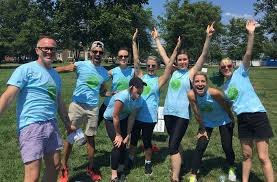
    • Group Photos: After the event, gather all the participants for a group photo to celebrate the collective achievement. It’s a great way to build camaraderie and create lasting memories.

    6. Encourage Community Involvement

    One of the most rewarding aspects of run group events is the sense of community. Encourage local businesses, organizations, and individuals to support or participate in the event. Here are a few ways to build local involvement:

    • Sponsorships: Partner with local businesses for event sponsorship, offering them exposure through event promotion in exchange for support.
    • Volunteer Opportunities: Recruit volunteers from the community to help with race day tasks such as registration, timing, or water stations. This gives people an opportunity to engage without having to run the race.
    • Collaborate with Charities: If your event is a charity run, reach out to local causes and involve them in the event. This can also attract more participants who want to contribute to a good cause.

    Building community connections helps create a supportive and inclusive environment, making the event enjoyable for everyone involved.


    7. Promote Your Event Effectively

    To ensure that your run group event is a success, you’ll need to promote it. Utilize social media, email newsletters, and local event listing websites to get the word out. Highlight the unique features of the event, such as themes, activities, and prizes, to generate excitement.

    You can also encourage word-of-mouth promotion by offering incentives for participants who invite friends or share the event on social media. Provide a hashtag to track the event and encourage participants to share their experiences.


    Conclusion

    Creating a fun and engaging run group event takes careful planning, but the rewards are immense. From fostering a sense of community to encouraging fitness and fun, a well-executed run group event can be a motivating experience for everyone involved. By considering themes, adding challenges, creating a post-event celebration, and engaging the community, you can host an event that inspires runners of all levels. Ultimately, a memorable run group event strengthens connections, supports fitness goals, and creates lasting memories for all participants.

  • Tips for Running a Marathon in Hot Weather

    Tips for Running a Marathon in Hot Weather

    Running a marathon is a challenging feat, and doing so in hot weather can make it even more difficult. The heat puts additional strain on your body, affecting your performance and increasing the risk of dehydration, heat exhaustion, and other heat-related issues. However, with proper preparation and smart strategies, you can navigate the challenges of running a marathon in hot weather. Here are some essential tips to help you stay cool, hydrated, and perform your best during a hot-weather marathon.

    Tips for Running a Marathon in Hot Weather
    Tips for Running a Marathon in Hot Weather

    Hydrate Well Before the Race

    Proper hydration is crucial for a hot-weather marathon. Start hydrating days before the race. Aim to drink at least 8-10 cups of water daily in the days leading up to the marathon. This helps ensure that your body is well-prepared to manage the increased fluid loss caused by sweat. On race day, drink water or electrolyte drinks in small sips, not large amounts at once, to avoid bloating or stomach cramps.

    Wear Lightweight, Breathable Clothing

    Opt for moisture-wicking, lightweight fabrics that allow air circulation and help sweat evaporate. Wearing the right clothes helps regulate your body temperature and prevents chafing. Choose light-colored clothing, as dark colors absorb heat, while light shades reflect it, keeping you cooler. A well-fitted, breathable hat can also provide shade and help keep your head cooler.

    Adjust Your Pace and Strategy

    In hot weather, it’s essential to be mindful of your pace. Running at your usual marathon pace may be too much for the body to handle in high temperatures. Start slower than usual to avoid overheating and conserve energy. A more gradual pace allows you to adjust to the heat, preventing early burnout. Focus on running by effort rather than pace, and listen to your body’s signals.

    Stay Cool with Regular Water Stops

    During the race, make use of water stations, but also keep in mind that it’s not just about drinking; it’s about staying cool. Pour water over your head, neck, and chest to cool your body temperature down. Some marathons provide misting stations or cooling sponges, so take advantage of these whenever you can. A good strategy is to take short, quick breaks at these stops to refresh and keep your body temperature from rising too much.

    Use Electrolytes and Sports Drinks

    While water is essential, in hot weather, you’ll also need to replace the electrolytes lost through sweat. Sodium, potassium, and magnesium help maintain fluid balance and muscle function. Sports drinks can help replenish these electrolytes, preventing cramps and dehydration. Make sure to alternate between water and sports drinks during your race to stay hydrated and balanced.

    Listen to Your Body

    When running in hot weather, it’s even more important to pay close attention to how your body feels. If you start feeling dizzy, nauseous, or overly fatigued, slow down, hydrate, and find shade if possible. These could be signs of heat exhaustion, which can lead to more serious conditions like heat stroke if ignored. Always prioritize your safety and well-being during extreme conditions.

    Prepare with Hot-Weather Training

    To acclimatize your body to hot conditions, try to train in the heat before the marathon. Gradually increase the intensity of your runs during the hottest parts of the day to help your body adjust to the stress of running in warmer weather. This will give you a better sense of how your body reacts to the heat and help you develop strategies to stay cool.

    Wear Sunscreen and Protect Your Skin

    The sun’s rays can be harsh, and running for hours exposes your skin to potential damage. Protect yourself by applying a high SPF sunscreen before the race and reapplying at water stations if possible. Wearing sunglasses and a hat will further shield your face and eyes from the sun.

    Refuel After the Race

    Once you’ve crossed the finish line, rehydrate immediately and begin refueling with a mix of protein, carbohydrates, and electrolytes to restore your energy and repair muscle tissue. After running in the heat, your recovery is just as important as the race itself. Take your time to cool down properly, and rest to prevent heat-related injuries.

    Conclusion

    Running a marathon in hot weather presents unique challenges, but with the right approach, you can stay cool, hydrated, and focused on finishing strong. Plan your hydration strategy, pace yourself, wear the right gear, and adjust your race expectations to the heat. Listen to your body, and always prioritize your health. By preparing properly and taking strategic steps during the race, you’ll increase your chances of crossing the finish line safely and successfully, no matter how high the temperatures rise.

  • Marathon Training Plans for Beginners

    Marathon Training Plans for Beginners

    Starting your marathon journey as a beginner may seem daunting, but with the right training plan, you can build the endurance and mental toughness needed to successfully complete the race. A structured marathon training plan will help you prepare physically and mentally for the 26.2 miles ahead. Here’s a guide to help you get started.

    Marathon Training Plans for Beginners
    Marathon Training Plans for Beginners

    Understanding the Basics of Marathon Training

    Before diving into a specific plan, it’s important to understand the core principles behind marathon training. Marathon training typically lasts 16 to 20 weeks and gradually increases mileage to prepare your body for the race day distance. Consistency, gradual progression, and rest are key to avoiding injuries and improving endurance.

    Choosing the Right Training Plan

    As a beginner, you don’t need to rush into an advanced marathon training plan. Start with a beginner-friendly plan that focuses on building a solid foundation, especially if it’s your first time running a marathon. A typical beginner’s plan includes:

    1. Weekly Long Runs – The long run is the cornerstone of marathon training. Gradually increase the distance each week, adding one to two miles to your long run until you reach 18 to 20 miles before tapering down in the final weeks.
    2. Shorter Runs – During the week, include shorter runs to build stamina and promote recovery. These runs are usually 3 to 5 miles, and they help you maintain consistency while preventing burnout.
    3. Cross-Training – Cross-training, such as swimming, cycling, or strength training, can improve overall fitness without adding stress to your legs. Aim for one cross-training day each week to enhance cardiovascular fitness and reduce the risk of injury.
    4. Rest and Recovery – Rest days are just as important as the training days themselves. They allow your muscles to repair and prevent overtraining. Make sure to take at least one full rest day per week.

    Sample 16-Week Marathon Training Plan for Beginners

    Here’s a simple 16-week marathon training plan to help you get started. This plan assumes you have a basic fitness level and can run at least 3 miles comfortably before starting.

    Weeks 1-4 (Building a Foundation)

    • Monday: Rest or cross-train
    • Tuesday: 3-4 miles easy run
    • Wednesday: Cross-train (bike, swim, or strength train)
    • Thursday: 3-4 miles easy run
    • Friday: Rest
    • Saturday: 4-6 miles long run
    • Sunday: Active recovery (light walk or stretching)

    Weeks 5-8 (Building Mileage)

    • Monday: Rest or cross-train
    • Tuesday: 4-5 miles easy run
    • Wednesday: Cross-train (bike, swim, or strength train)
    • Thursday: 4-5 miles easy run
    • Friday: Rest
    • Saturday: 6-10 miles long run
    • Sunday: Active recovery

    Weeks 9-12 (Increasing Endurance)

    • Monday: Rest or cross-train
    • Tuesday: 5-6 miles easy run
    • Wednesday: Cross-train (bike, swim, or strength train)
    • Thursday: 5-6 miles easy run
    • Friday: Rest
    • Saturday: 10-14 miles long run
    • Sunday: Active recovery

    Weeks 13-16 (Tapering and Race Preparation)

    • Monday: Rest or cross-train
    • Tuesday: 5-6 miles easy run
    • Wednesday: Cross-train (bike, swim, or strength train)
    • Thursday: 3-5 miles easy run
    • Friday: Rest
    • Saturday: 12-20 miles long run (gradually tapering down in the final weeks)
    • Sunday: Active recovery

    Important Tips for Beginners

    • Start Slow: Begin your runs at a pace that feels comfortable. Pushing too hard too early can lead to injury and burnout.
    • Listen to Your Body: Pay attention to any aches or pains and adjust your training if necessary. Overtraining is a common issue for beginners.
    • Fuel Properly: Nutrition is crucial for long-distance running. Consume a balanced diet with a mix of carbohydrates, protein, and fats. During long runs, practice fueling with energy gels or snacks.
    • Stay Hydrated: Hydration is key to avoiding fatigue and muscle cramps. Drink water before, during, and after your runs.
    • Get the Right Gear: Invest in a good pair of running shoes that provide adequate support and comfort. Wearing the wrong shoes can lead to blisters and injuries.

    Mental Preparation

    Running a marathon is as much a mental challenge as it is a physical one. Here are a few tips to help you mentally prepare for race day:

    • Visualize Success: Imagine crossing the finish line and achieving your goal. Positive visualization can help motivate you during tough training runs.
    • Break the Race into Segments: Mentally divide the marathon into smaller sections, such as 5K, 10K, and so on. Focusing on one section at a time makes the race less overwhelming.
    • Stay Positive: Maintain a positive mindset, especially on tough days. Remind yourself of your progress and how far you’ve come.

    Conclusion

    Training for a marathon as a beginner is a rewarding experience that requires commitment and patience. By following a structured plan, listening to your body, and preparing mentally, you can successfully complete your first marathon. Remember, the journey to race day is just as important as crossing the finish line.

  • How to Recover After Running a Marathon

    How to Recover After Running a Marathon

    Completing a marathon is a monumental achievement, but proper recovery is essential for healing and regaining strength. Marathon recovery requires more than just rest—it involves strategic steps to help your body repair itself, prevent injuries, and prepare for future races. Here’s a comprehensive guide on how to recover after running a marathon.

    How to Recover After Running a Marathon
    How to Recover After Running a Marathon

    Immediate Post-Race Recovery

    After crossing the finish line, focus on rehydrating and replenishing your energy. Your body loses significant fluids and nutrients during a marathon, so restoring these is crucial.

    First, drink water or an electrolyte-rich beverage to prevent dehydration. Avoid guzzling large amounts; instead, sip consistently. Consume a small snack rich in carbohydrates and protein, such as a banana with peanut butter, within 30 minutes to aid muscle recovery.

    Take a few minutes to walk around after finishing. Light movement prevents blood from pooling in your legs and helps reduce muscle stiffness. Avoid sitting for long periods immediately after the race.

    Rehydration and Nutrition

    In the hours following the marathon, focus on hydration and balanced meals. Drink plenty of water throughout the day, but don’t forget to include beverages with electrolytes, especially if it was a hot race day.

    For meals, prioritize foods high in protein, carbohydrates, and healthy fats. Protein aids muscle repair, while carbohydrates replenish glycogen stores. Include fruits, vegetables, and whole grains to provide essential vitamins and minerals.

    Rest and Sleep

    Rest is the cornerstone of recovery. Take a day or two off from all physical activity to let your body heal. Prioritize sleep, as it’s during rest that your muscles repair and strengthen. Aim for 7-9 hours of quality sleep each night.

    If you feel stiff or sore, gentle stretching or yoga can help improve flexibility and circulation without putting stress on your body.

    Gradual Return to Activity

    Ease back into physical activity after your initial rest period. Begin with low-impact exercises like walking, swimming, or cycling. These activities promote blood flow and accelerate recovery without overloading your muscles.

    Wait at least one week before resuming any running, and start with short, easy jogs. Gradually increase intensity and distance over the following weeks, allowing your body to adapt.

    Massage and Foam Rolling

    A massage can help reduce muscle soreness and improve circulation. Schedule a professional massage or use a foam roller to target tight or sore areas. Focus on major muscle groups like your quads, hamstrings, calves, and glutes.

    Foam rolling might be uncomfortable at first, but it can significantly reduce muscle tension and speed up recovery.

    Monitor for Injuries

    Pay attention to any lingering pain or discomfort. Post-marathon soreness is normal, but sharp or persistent pain could indicate an injury. If you suspect something is wrong, consult a sports doctor or physical therapist for evaluation and treatment.

    Mental Recovery

    Recovering after a marathon isn’t just physical—it’s mental too. Many runners experience post-race blues due to the sudden absence of training structure. Set new goals, whether they’re related to running or other areas of your life, to maintain motivation and direction.

    Hydration and Nutrition in the Long Term

    Continue to prioritize hydration and a nutrient-rich diet in the weeks following the marathon. Focus on meals rich in lean proteins, whole grains, and colorful vegetables to support your long-term recovery and overall health.

    Plan Your Next Steps

    Give yourself adequate time to recover before signing up for another race. A general rule of thumb is to take one day off running for every mile raced—about 26 days for a marathon. Use this time to cross-train, build strength, and focus on areas of improvement.

    Conclusion

    Recovering after running a marathon is just as important as the race itself. By following a structured recovery plan that includes rest, rehydration, proper nutrition, and gradual reintroduction to activity, you can heal effectively and prepare for future challenges. Taking care of your body ensures you’ll be ready to conquer your next marathon with confidence.

  • The Role of Pacing in Marathon Success

    The Role of Pacing in Marathon Success

    A marathon is a test of endurance, strategy, and mental toughness. While training plays a crucial role in preparing your body for the 26.2-mile race, pacing is the key to successfully navigating the course. Many runners start a marathon too fast, only to find themselves hitting a wall in the latter miles. Understanding pacing, knowing how to manage your energy, and making adjustments as needed are all essential components of marathon success. In this blog post, we’ll dive into the significance of pacing and how to incorporate it into your marathon strategy.


    What is Pacing?

    Pacing refers to the speed at which you run during a race. Unlike sprints, where speed is the primary focus, pacing in a marathon is all about managing your energy levels over the long distance. The goal is to run consistently without burning out too early, allowing your body to maintain endurance until the race’s final miles.

    The key to a successful marathon is to start with a pace that is sustainable throughout the race. It’s tempting to start fast, but this can lead to early fatigue, poor performance, or even injury. On the other hand, running too slowly can prevent you from reaching your potential. Finding the right pace is a balancing act that requires attention to your training, race-day conditions, and your physical and mental state.


    Why Pacing is Crucial for Marathon Success

    Effective pacing can make or break your marathon. Here are a few reasons why pacing plays such an important role:

    1. Prevents Early Fatigue

    Starting a marathon too fast can lead to exhaustion long before you reach the finish line. Running at an unsustainable pace in the early miles depletes your energy reserves faster than your body can replenish them. The result is that you may struggle with fatigue or “hitting the wall” around the 18-20 mile mark, where your body’s glycogen stores become depleted.

    Proper pacing allows you to distribute your energy throughout the entire race, ensuring that you have enough left in the tank when it matters most. By managing your pace, you reduce the risk of burning out too early and ensure that you have the endurance to keep moving forward.

    2. Helps You Achieve Your Race Goals

    Whether you have a specific finish time in mind or you’re aiming to complete the marathon, pacing is the foundation for meeting your goals. If you have a target time, pacing will help you break it down into achievable splits for each segment of the race. This breakdown ensures that you don’t start too fast and tire out before the end. Running each mile at a consistent pace brings you closer to your target time while maintaining the energy needed for the final push to the finish line.

    3. Avoids Injury

    Pacing also helps prevent injury. When you run too fast, your form can suffer, leading to unnecessary strain on muscles, joints, and ligaments. Poor form increases the risk of injury, and running with improper mechanics can lead to muscle imbalances or overuse injuries. Pacing allows you to maintain good form throughout the race, which can help reduce your risk of injury and improve your long-term running performance.

    The Role of Pacing in Marathon Success
    The Role of Pacing in Marathon Success

    4. Mental Toughness and Confidence

    Pacing is not just a physical challenge—it’s also a mental one. Knowing that you’ve trained to maintain a specific pace gives you confidence on race day. It’s easier to stay focused and maintain positive self-talk when you know you’re sticking to a pace that you’ve practiced in training. Moreover, pacing helps you avoid feelings of doubt or panic, which are common in the later stages of a marathon when fatigue sets in. Consistently running at a manageable pace builds mental toughness, helping you stay strong and focused until the finish line.


    How to Find Your Ideal Marathon Pace

    Finding the right pace for your marathon requires training, trial and error, and self-awareness. Here’s how you can determine your ideal pace and prepare for race day:

    1. Use a Pace Calculator

    One of the easiest ways to determine your target marathon pace is to use a pace calculator. These tools use your recent race times to estimate your expected marathon finish time and pace. For example, if you recently ran a half marathon or 10k, you can plug your time into a marathon pace calculator to get an estimate of your goal time and pacing strategy.

    Keep in mind that the calculator is just a guideline. Factors such as weather, course difficulty, and your physical condition on race day will affect your pacing.

    2. Practice Pacing During Long Runs

    Long runs are essential for building the endurance needed to run a marathon, but they’re also an excellent opportunity to practice pacing. During your long training runs, experiment with different paces to see what feels comfortable for you. Pay attention to how your body feels at different speeds—can you maintain a steady pace without feeling too fatigued, or do you need to slow down?

    As you approach race day, try to simulate the race-day conditions by running at your goal pace for a portion of your long runs. Doing so will help you fine-tune your pacing and develop a better sense of what is sustainable.

    3. Run Negative Splits

    One of the most effective pacing strategies in marathons is running negative splits, which means running the second half of the race faster than the first. Negative splits allow your body to build momentum and finish strong rather than fade as the race progresses. Aim to start at a conservative pace, then gradually increase your speed as you move through the race. Running negative splits requires discipline, as it’s easy to get carried away in the excitement of the early miles, but it often results in a stronger, faster finish.

    4. Listen to Your Body

    It’s essential to listen to your body during the marathon and adjust your pacing as needed. If you’re feeling great early on, you might be tempted to pick up the pace, but resist the urge to do so. Stick to your planned pace and adjust only if you feel too slow or too fast. Pay attention to your energy levels, breathing, and form throughout the race. If you start feeling fatigued, it may be wise to slow down a bit to avoid burnout later.


    Final Thoughts

    Pacing is the foundation of marathon success. It ensures that you maintain enough energy to complete the race, minimizes the risk of injury, and helps you achieve your race goals. With proper pacing, you can run a more efficient marathon and finish strong, no matter your experience level or race distance. By practicing pacing during training, listening to your body, and sticking to a well-planned strategy on race day, you’ll set yourself up for success and cross that finish line with confidence.

    Remember, marathon running is about pacing yourself for the long haul, and with the right approach, you’ll have a fulfilling and rewarding race experience.

  • The History Behind the First Marathon Race

    The History Behind the First Marathon Race

    The marathon is one of the most iconic long-distance races, rooted in history and legend. Its origins can be traced back to ancient Greece, with a fascinating story of heroism, endurance, and victory. Understanding the history behind the first marathon race provides a deeper appreciation for this grueling yet inspiring event.

    The History Behind the First Marathon Race
    The History Behind the First Marathon Race

    The Legend of Pheidippides

    The story of the first marathon begins in 490 BCE during the Battle of Marathon, a pivotal conflict between the Greeks and the invading Persian army. According to legend, a Greek soldier named Pheidippides ran approximately 26 miles from the battlefield in Marathon to Athens to deliver news of the Greeks’ victory.

    Upon arriving in Athens, Pheidippides reportedly shouted “Νενικήκαμεν!” (Nenikékamen), meaning “We have won!” before collapsing and dying from exhaustion. While the historical accuracy of this tale is debated, it remains a powerful symbol of human perseverance and dedication.

    The Real Historical Context

    Historians suggest that Pheidippides’ legendary run was likely a blend of myth and fact. Ancient records from the historian Herodotus describe Pheidippides as a messenger who ran a much longer distance—about 150 miles—from Athens to Sparta to seek military support before the battle. The specific run from Marathon to Athens may have been added later to romanticize the story.

    The Battle of Marathon itself marked a significant moment in Greek history. The outnumbered Athenians defeated the Persians, preserving their city-state and influencing the course of Western civilization. This victory became a source of immense pride and inspiration, fueling the creation of the marathon race centuries later.

    The Birth of the Modern Marathon

    The modern marathon was introduced much later, during the first modern Olympic Games in Athens in 1896. Inspired by the legend of Pheidippides, organizers wanted to create an event that paid homage to Greek history.

    The race was approximately 40 kilometers (about 25 miles) long, following the approximate distance between Marathon and Athens. The first official Olympic marathon was won by Spyridon Louis, a Greek water carrier, who became a national hero for his victory.

    The Standardization of the Distance

    The marathon distance wasn’t standardized until the 1908 London Olympics. That year, the race course was extended to 26.2 miles (42.195 kilometers) to allow the royal family to view the finish line from their box at Windsor Castle. This unique adjustment became the official marathon distance, which remains in place today.

    The Marathon’s Global Impact

    Since its introduction, the marathon has grown into a globally celebrated event. It symbolizes endurance, discipline, and the human spirit’s triumph over adversity. Major marathons, such as those in Boston, London, Berlin, and Tokyo, draw thousands of participants annually, each with their unique story of determination and achievement.

    Cultural and Symbolic Significance

    The marathon embodies values that transcend sports. It connects modern athletes to ancient history, emphasizing the importance of perseverance and resilience. For many runners, completing a marathon represents a personal milestone, while for spectators, it serves as a source of inspiration.

    Conclusion

    The history behind the first marathon race intertwines myth, history, and modern tradition. From Pheidippides’ legendary run to the modern Olympic Games, the marathon represents human endurance and determination. Its legacy continues to inspire runners and spectators worldwide, proving that the spirit of the marathon is timeless.

  • Marathon Running Gear: What You Need

    Marathon Running Gear: What You Need

    Preparing for a marathon goes beyond training—it also requires the right gear to ensure a successful race day. Wearing and using the proper equipment can make your run more comfortable, efficient, and enjoyable. Here’s a comprehensive guide to marathon running gear you’ll need to perform your best.

    Marathon Running Gear: What You Need
    Marathon Running Gear: What You Need

    Choosing the Right Running Shoes

    Your shoes are the most important piece of marathon gear. Invest in a pair specifically designed for long-distance running, with adequate cushioning and support. Ensure your shoes are well-fitted to prevent blisters or discomfort.

    Break in your running shoes during training to avoid surprises on race day. Consider replacing them if they have logged more than 300-500 miles, as worn-out shoes can lead to injuries.

    Comfortable Running Apparel

    Choose moisture-wicking, breathable clothing for marathon day. Synthetic fabrics like polyester or nylon wick sweat away from your skin, keeping you dry and reducing chafing. Avoid cotton, as it retains moisture and can cause discomfort.

    For colder weather, layer up with lightweight, long-sleeve shirts and running tights. In warmer conditions, opt for sleeveless tops and shorts. Always dress according to the weather forecast but prioritize comfort and mobility.

    Socks That Prevent Blisters

    Invest in high-quality, moisture-wicking running socks to protect your feet during the marathon. Look for seamless designs that reduce friction and prevent blisters. Compression socks are also a popular choice for enhancing circulation and reducing muscle fatigue.

    Essential Accessories for Long-Distance Running

    Accessories can make a significant difference in your marathon experience.

    • Hydration Packs or Belts: Stay hydrated with a handheld bottle, hydration belt, or vest. Ensure it’s comfortable and doesn’t bounce during your run.
    • Running Hat or Visor: Protect yourself from the sun and keep sweat out of your eyes with a lightweight hat or visor.
    • Sunglasses: Opt for UV-protective sunglasses to shield your eyes during sunny races.
    • Sweatbands: Keep sweat from dripping into your eyes with wrist or head sweatbands.

    Energy and Nutrition Supplies

    Running a marathon requires sustained energy, so pack easy-to-carry nutrition like energy gels, chews, or bars. These provide quick carbohydrates to keep your energy levels stable during the race.

    Use your training runs to experiment with different nutrition options and ensure they sit well with your stomach. Pair them with water or an electrolyte drink for optimal performance.

    Tracking and Monitoring Devices

    Fitness trackers or GPS watches can help you monitor your pace, distance, and heart rate. Use them to stick to your race plan and avoid burning out early. Many runners find these devices helpful for staying motivated and on track during the marathon.

    Safety and First Aid Items

    Even with thorough preparation, unexpected issues can arise. Pack a few essentials for safety:

    • Anti-Chafing Cream or Balm: Apply to areas prone to friction to prevent irritation.
    • Band-Aids: Carry a few in case of blisters or minor cuts.
    • Emergency Contact Information: Ensure your race bib or gear includes emergency details.

    Practical Race Day Extras

    Don’t forget practical items that enhance your race-day experience.

    • Throwaway Layers: Wear old clothing to keep warm before the race starts and discard it when you begin running.
    • Clear Zip Bags: Use these to store your phone, ID, and cash securely.
    • Running Belt: Keep your small essentials handy without carrying a bag.

    Conclusion

    Equipping yourself with the right marathon running gear ensures you stay comfortable and prepared for the big day. Prioritize well-fitted shoes, moisture-wicking clothing, and reliable accessories to enhance your performance. By planning and testing your gear during training, you can focus on achieving your marathon goals without distractions.

  • What to Expect on Race Day: Marathon Edition

    What to Expect on Race Day: Marathon Edition

    Preparing for marathon race day can be both thrilling and nerve-wracking. Knowing what to expect and planning ahead will ensure you’re ready to enjoy the experience to its fullest. From managing pre-race jitters to crossing the finish line, each stage of the marathon holds unique challenges and rewards.

    What to Expect on Race Day: Marathon Edition
    What to Expect on Race Day: Marathon Edition

    Arriving at the Race Venue

    On race day, arrive early to settle in and familiarize yourself with the area. Most marathons recommend reaching the venue at least 90 minutes before the start time. This allows ample time for parking, picking up your race bib (if you haven’t already), and finding your assigned starting area.

    Expect a lively atmosphere with music, announcements, and participants warming up. Use this time to stretch, hydrate, and mentally prepare for the journey ahead.

    The Start Line Experience

    The start line buzzes with excitement as runners gather in their corrals based on their expected finish times. Listen carefully to announcements or instructions from race officials.

    When the starting gun goes off, the energy can be contagious, but resist the urge to sprint ahead. Stick to your planned pace to conserve energy for the long miles ahead.

    Pacing Yourself During the Race

    Marathons require careful pacing. The adrenaline at the beginning may tempt you to run faster, but maintaining your goal pace is crucial for endurance. Break the race into manageable segments, focusing on completing one mile at a time.

    Aid stations will appear every few miles, offering water, electrolyte drinks, and sometimes snacks. Take advantage of these stops to stay hydrated and replenish your energy.

    Overcoming Challenges Mid-Race

    The middle portion of the marathon often feels steady and rhythmic. However, around mile 18-20, many runners experience “the wall,” where fatigue and self-doubt set in. Prepare mentally for this phase by reminding yourself of your training and visualizing the finish line.

    Incorporate positive self-talk and celebrate small victories, such as reaching the next mile marker.

    The Final Stretch

    As you approach the final miles, the excitement and support from spectators intensify. Even if your legs feel heavy, the thought of finishing the marathon fuels your determination.

    During the last stretch, soak in the moment and push through to cross the finish line. Whether you sprint or jog, completing a marathon is an incredible achievement.

    Crossing the Finish Line

    Crossing the finish line is an emotional and triumphant moment. Afterward, you’ll receive your finisher’s medal, water, and recovery snacks. Move through the finish area to avoid congestion and take some time to stretch and cool down.

    It’s normal to feel exhausted and sore, but the pride of accomplishing such a feat will overshadow any discomfort.

    Post-Race Recovery

    After the marathon, prioritize recovery by hydrating, eating a balanced meal, and taking a well-deserved rest. Many races offer post-run celebrations where you can enjoy music, food, and camaraderie with fellow runners.

    Give your body time to heal by taking a few days off from running and focusing on gentle activities like walking or yoga.

    Tips for a Smooth Race Day Experience

    • Pack Your Essentials: Lay out your race-day gear the night before, including your bib, running shoes, hydration belt, and snacks.
    • Dress Appropriately: Check the weather and wear layers if needed. Choose lightweight, moisture-wicking fabrics for optimal comfort.
    • Stick to Your Routine: Eat a familiar pre-race breakfast and avoid trying anything new on race day.
    • Follow Your Plan: Trust your training and stick to your race-day strategy for pacing and nutrition.

    Conclusion

    Marathon race day is a culmination of your hard work and dedication. By arriving prepared, pacing yourself wisely, and embracing the challenges, you can fully enjoy this unforgettable experience. Remember, every step you take brings you closer to the finish line and your personal victory.

  • Why Racing Can Improve Your Running Skills

    Why Racing Can Improve Your Running Skills

    For many runners, racing is a thrilling experience that tests physical and mental limits. But beyond the excitement of competition, races offer numerous benefits that can significantly improve your running skills. Whether you’re a beginner or an experienced runner, participating in races provides a structured environment to hone your technique, increase endurance, and develop a deeper understanding of your body’s capabilities. Here’s why racing can help elevate your running abilities.


    1. Racing Pushes You Beyond Your Comfort Zone

    One of the most obvious reasons racing improves running skills is that it forces you to push yourself beyond your comfort zone. While training runs can be tailored to your own pace, races are set events with specific goals. Whether you’re aiming to beat your personal record, achieve a certain time, or simply finish the race, the competitive nature of racing drives you to run harder, faster, and longer than you might during solo training.

    Benefit: Racing challenges you to break through physical and mental barriers, which results in tangible improvements in endurance, speed, and stamina. When faced with the challenge of a race, you’ll learn to cope with the discomfort of pushing past your limits, which can make you a more resilient runner.


    2. Races Help You Track Progress

    One of the most rewarding aspects of racing is the opportunity to track your progress. Running races offers clear benchmarks for evaluating your improvement over time. Whether you’re participating in 5Ks, half-marathons, or marathons, each race gives you data points that show how far you’ve come.

    Benefit: By racing regularly, you create a personal history of times, distances, and performances, which provides a reliable way to assess your training. Seeing your times improve across different races is an excellent motivator and a concrete way to measure your growth as a runner.


    3. Races Test Your Pacing Strategy

    Pacing is one of the most critical components of long-distance running, yet it’s often difficult to gauge during training. When you race, you have to be strategic about how you pace yourself over the course of the event. Whether you’re running a fast 5K or pacing yourself for a marathon, races offer a real-time test of how well you’ve learned to manage your speed and energy.

    Benefit: By participating in races, you’ll learn how to pace yourself more effectively and avoid common mistakes such as starting out too fast or burning out too soon. With each race, you’ll improve your ability to judge pace and conserve energy, which is key to improving performance in all types of runs.


    4. Racing Helps Build Mental Toughness

    Running a race is as much a mental challenge as it is a physical one. In the midst of a long race, you’ll face moments of fatigue, doubt, and discomfort, but overcoming these mental hurdles is what makes racing so powerful. Each race offers a chance to develop mental toughness and learn how to stay focused, positive, and determined despite physical exhaustion.

    Why Racing Can Improve Your Running Skills
    Why Racing Can Improve Your Running Skills

    Benefit: Racing helps strengthen your mental resilience, which plays a significant role in achieving your running goals. The more races you participate in, the more you’ll learn how to push through difficult moments and finish strong, even when the going gets tough.


    5. Races Provide Structured Recovery and Tapering Phases

    When you’re training for a race, especially longer distances like marathons or half-marathons, you often go through phases of tapering and recovery. These structured periods of reduced intensity help your body recover from intense training while maintaining fitness. This structured approach to training ensures you don’t overtrain and suffer from burnout or injury.

    Benefit: Racing encourages you to practice proper recovery and tapering, which is critical for long-term running progress. By experiencing these phases in a race setting, you’ll learn how to properly rest and prepare for optimal performance, both for races and training.


    6. Races Teach You to Manage Race-Day Anxiety

    Many runners experience pre-race nerves and anxiety, especially before big events. While anxiety can be a challenge, it also provides an opportunity to learn valuable coping strategies. Over time, as you race more frequently, you’ll become better at managing race-day nerves, staying focused, and calming pre-race jitters.

    Benefit: The more you race, the more you’ll develop confidence in your ability to handle race-day stress. This mental preparation can make you more comfortable with racing, helping you to approach future events with a positive, calm attitude.


    7. Racing Exposes You to a Variety of Conditions

    Races don’t always take place in perfect conditions, and that’s part of what makes them so beneficial. You may have to run in heat, rain, wind, or even snow. These diverse conditions force you to adapt your running technique and strategies, making you a more versatile and well-rounded runner.

    Benefit: Racing in various environmental conditions exposes you to challenges that are difficult to replicate in training. This prepares you to deal with unpredictable weather or challenging race-day conditions, ultimately making you a more adaptable and prepared runner.


    8. Racing Provides a Sense of Community and Support

    One of the most motivating aspects of racing is the sense of community it fosters. Whether you’re running with friends, family, or fellow competitors, races offer a supportive environment that encourages camaraderie and mutual respect. You’ll find runners of all levels, from beginners to elite athletes, coming together with the shared goal of crossing the finish line.

    Benefit: The community aspect of racing can keep you motivated and engaged in your running journey. Whether you’re running your first 5K or aiming for a marathon PR, the energy and encouragement from fellow racers will help you stay inspired and connected to the running world.


    9. Racing Promotes Consistency in Training

    Having a race on the calendar gives you a clear target and deadline, which motivates you to train consistently. Knowing that a race is approaching helps you stay focused and committed to your training schedule, ensuring you’re continually improving.

    Benefit: Racing provides the external motivation needed to stay consistent with your training. By regularly participating in races, you’ll develop better habits, stay on track with your goals, and continue to improve your running skills.


    Conclusion

    Racing isn’t just about competition—it’s a powerful tool that can significantly improve your running skills. By pushing yourself beyond your limits, testing your pacing strategies, and building mental toughness, you’ll become a stronger, more confident runner. So, whether you’re racing for personal bests or simply for the joy of the sport, embrace the opportunities that races provide to elevate your running abilities and achieve your goals.