Category: Running

  • Best Marathons to Run in the World

    Best Marathons to Run in the World

    Running a marathon is an incredible achievement and an exciting adventure. If you’re looking for the best marathons to run in the world, this guide is perfect for you. From scenic routes to famous city events, there’s a marathon for everyone.

    1. Iconic Marathons

    The Boston Marathon

    • Why It’s Famous: The Boston Marathon is the world’s oldest annual marathon, starting in 1897.
    • Route Highlights: It takes runners through Massachusetts, ending in Boston.
    • Fun Fact: Qualifying for this race is a big honor.

    The London Marathon

    • Why It’s Special: It combines history with stunning landmarks like Tower Bridge and Buckingham Palace.
    • Route Features: Mostly flat, making it beginner-friendly.
    • Unique Aspect: It raises millions for charity every year.

    The New York City Marathon

    • Exciting Features: Runners experience all five boroughs of New York City.
    • Crowd Energy: Over a million spectators cheer you on.
    • Memorable Finish: Ends in Central Park.
    Best Marathons to Run in the World
    Best Marathons to Run in the World

    2. Scenic Marathons

    The Great Wall Marathon (China)

    • Breathtaking Views: You’ll run along the historic Great Wall of China.
    • Unique Challenge: Includes steep steps and rugged paths.
    • Why It’s Memorable: The mix of history and natural beauty is unbeatable.

    Big Sur International Marathon (USA)

    • Spectacular Scenery: Follows the California coast with ocean views and cliffs.
    • Peaceful Atmosphere: No loud crowds, just nature.
    • Fun Feature: Musicians play along the course.

    The Berlin Marathon (Germany)

    • Fast Route: Known for its flat and speedy course.
    • Cultural Experience: Passes historic sites like the Brandenburg Gate.
    • World Records: Many records have been set here.

    3. Challenging Marathons

    The Marathon des Sables (Morocco)

    • Ultimate Test: Run six days through the Sahara Desert.
    • Adventure Factor: Carry your supplies and survive extreme heat.
    • Why It’s Famous: It’s one of the toughest races in the world.

    The Everest Marathon (Nepal)

    • High Altitude: Starts near Mount Everest Base Camp.
    • Scenic Route: Includes breathtaking mountain views.
    • Unique Difficulty: Thin air makes it extra challenging.

    Polar Circle Marathon (Greenland)

    • Icy Adventure: Run through the Arctic tundra and icy trails.
    • Unforgettable Scenery: Experience snow-covered landscapes.
    • Challenge: Cold weather and slippery paths.

    4. Fun and Unique Marathons

    The Disney World Marathon (USA)

    • Magical Atmosphere: Run through Disney parks in Florida.
    • Family Fun: Perfect for all ages, with characters cheering you on.
    • Why It’s Popular: Combines fitness with entertainment.

    The Medoc Marathon (France)

    • Wine and Fun: Runners stop for wine and gourmet food along the route.
    • Festive Theme: Participants dress up in costumes.
    • Cultural Twist: Takes you through vineyards and castles.

    The Rock ‘n’ Roll Marathon (Various Locations)

    • Music and Running: Bands play live music at every mile.
    • Global Events: Held in cities like Las Vegas, Madrid, and Dublin.
    • Why It’s Fun: Combines a concert experience with running.

    5. Tips for Choosing Your Marathon

    Know Your Goals

    • For Speed: Choose flat courses like Berlin.
    • For Scenery: Pick races like Big Sur or the Polar Circle.
    • For Adventure: Try the Marathon des Sables or Everest.

    Prepare Well

    • Train according to the race’s terrain and climate.
    • Research race requirements and registration deadlines.

    Stay Motivated

    • Involve friends or family for support.
    • Celebrate small milestones as you prepare.

    Conclusion
    The best marathons to run in the world offer something for everyone—whether you love challenges, stunning views, or unique experiences. Pick a marathon that excites you and start preparing for an unforgettable journey. Running these races will not only test your limits but also create memories that last a lifetime!

  • Why Running in a Group Boosts Motivation

    Why Running in a Group Boosts Motivation

    Running is often thought of as a solitary activity, but joining a group can transform the experience in powerful ways. Whether you’re training for a race or simply trying to stay fit, running in a group offers numerous benefits that go beyond physical health. From boosting motivation to creating lasting friendships, here’s why group running is a game-changer for many runners.

    1. Accountability Keeps You Consistent

    When you’re part of a running group, you’re less likely to skip workouts. Knowing that others are counting on you to show up creates a sense of responsibility that helps build consistency.

    • The Social Pressure Effect: It’s harder to hit the snooze button when you know your group is waiting for you.
    • Shared Goals: Working toward common objectives, like preparing for a 10K, fosters mutual encouragement.

    This accountability often leads to better adherence to training plans and long-term running success.

    2. Motivation Through Shared Energy

    Running with others provides a natural energy boost that’s hard to replicate when running solo.

    • Pacing Power: Group members can push you to maintain a faster pace or finish a challenging workout.
    • Encouragement on Tough Days: On days when you feel like quitting, the group’s collective energy can keep you moving.

    Sharing the highs and lows of running creates a sense of camaraderie that fuels motivation.

    3. Learning From Fellow Runners

    In a group setting, you’re surrounded by runners with varying experience levels. This creates a unique opportunity to learn and grow.

    • Training Tips: Experienced runners can share advice on form, nutrition, and injury prevention.
    • Inspiration: Seeing someone overcome challenges or achieve a milestone can inspire you to push harder.

    The group dynamic fosters a culture of knowledge-sharing that benefits everyone.

    4. Variety Keeps It Interesting

    Running alone can sometimes feel monotonous, but group running offers variety that keeps workouts exciting.

    • Planned Routes: Many running groups rotate through different trails or paths, adding novelty to your routine.
    • Structured Workouts: Groups often include speed work, hill runs, or long-distance training, which can break the monotony.

    This variety not only improves physical fitness but also makes running more enjoyable.

    Why Running in a Group Boosts Motivation
    Why Running in a Group Boosts Motivation

    5. Social Connections Make It Fun

    Running in a group is as much about the social aspect as it is about the workout.

    • New Friendships: Sharing miles together builds strong bonds.
    • Post-Run Activities: Many groups organize social events, like coffee runs or post-race celebrations.

    The sense of community makes running feel less like a chore and more like a shared adventure.

    6. Friendly Competition Drives Progress

    Healthy competition within a group can push you to achieve more than you would on your own.

    • Chasing Goals Together: Trying to keep up with a faster runner can help improve your speed.
    • Celebrating Achievements: When group members hit milestones, it motivates everyone to set and achieve new goals.

    This competitive edge fosters personal growth while maintaining a supportive environment.

    7. Emotional Support Builds Resilience

    Running isn’t just a physical challenge; it’s also a mental one. Group running provides emotional support to help you tackle both.

    • Shared Struggles: From injuries to tough training days, sharing challenges makes them feel more manageable.
    • Encouragement: Hearing “You’ve got this!” from a fellow runner can make all the difference during a tough run.

    This support system helps you stay motivated through both triumphs and setbacks.

    8. Safety in Numbers

    Running in a group enhances safety, especially when running early in the morning, late at night, or on unfamiliar trails.

    • Visibility: A group is more noticeable to drivers and other trail users.
    • Emergency Assistance: If someone gets injured, there’s always help nearby.

    Feeling safe allows you to focus on enjoying your run and pushing your limits.

    9. Accountability to a Schedule

    Most running groups have set times for workouts, which can help you establish a regular running routine.

    • Consistency: Knowing there’s a planned run on specific days helps build a habit.
    • Time Management: Planning around group runs can encourage better overall time management.

    Having a schedule ensures that running becomes a non-negotiable part of your week.

    10. Celebrating Milestones Together

    Running milestones feel even more rewarding when celebrated with others who understand the effort behind them.

    • Race Days: Cheering each other on during races creates a sense of team spirit.
    • Personal Bests: Sharing personal achievements with your group amplifies the joy of success.

    These shared moments build a sense of belonging that keeps you motivated to continue.

    Conclusion

    Running in a group is about more than just exercise—it’s about community, motivation, and personal growth. From keeping you accountable to providing emotional support, the benefits of group running are undeniable. Whether you’re new to running or a seasoned athlete, joining a group can elevate your running experience and keep you inspired to reach new goals. So lace up your shoes, find a local running group, and experience the transformative power of running together.

  • The Best Running Trails in Your City

    The Best Running Trails in Your City

    Running is one of the simplest and most rewarding forms of exercise, and having access to great trails can make the experience even better. Whether you’re a seasoned marathoner or just starting your fitness journey, running trails offer a perfect escape from the monotony of treadmill workouts or crowded city streets. Here’s a guide to the best running trails in your city, tailored for every type of runner.

    1. The Scenic Park Trail

    City parks often feature some of the best running trails, combining lush greenery with well-maintained paths. These trails are ideal for runners who enjoy a peaceful setting with plenty of shade and scenic views.

    • Best for: Beginner and intermediate runners.
    • Key Features: Wide paths, rest areas, and proximity to nature.
    • Example: A loop around a central park or a garden area with clearly marked routes.

    Scenic park trails often include flat terrains, making them perfect for easy runs or recovery days.

    2. The Waterfront Path

    Waterfront trails are a favorite for their stunning views and refreshing breezes. Whether by a river, lake, or ocean, these paths offer a sense of openness and tranquility.

    • Best for: Long-distance runs or tempo workouts.
    • Key Features: Panoramic views, flat surfaces, and sunrise/sunset vistas.
    • Example: A lakeside promenade or a riverside walkway.

    These trails are especially inspiring at dawn or dusk, making them perfect for runners who find motivation in natural beauty.

    3. The Urban Adventure Route

    If you thrive on energy and variety, urban running trails offer an exciting blend of cityscapes and green spaces. These routes often weave through downtown areas, past historic landmarks, and alongside bustling streets.

    • Best for: Runners looking to mix sightseeing with exercise.
    • Key Features: Varied terrain, iconic landmarks, and city vibes.
    • Example: A trail connecting major city landmarks, like a museum district or cultural hub.

    Urban routes can double as a workout and a way to explore hidden gems in your city.

    4. The Challenging Trail Run

    For those who crave a challenge, trail running in rugged terrains provides an excellent workout and an opportunity to connect with nature. These trails often feature steep inclines, uneven paths, and breathtaking views.

    • Best for: Advanced runners or those training for trail races.
    • Key Features: Elevation changes, rocky paths, and wildlife sightings.
    • Example: A forest trail or a mountainous path with switchbacks.

    Trail running shoes are recommended for these routes to provide better grip and ankle support.

    5. The Suburban Greenbelt

    Suburban greenbelts or linear parks are perfect for runners who want a mix of urban convenience and natural surroundings. These trails often run alongside neighborhoods and offer a quiet, traffic-free running experience.

    • Best for: Casual runs or family-friendly outings.
    • Key Features: Paved paths, benches, and dog-friendly zones.
    • Example: A trail connecting suburban neighborhoods to a larger park.
    The Best Running Trails in Your City
    The Best Running Trails in Your City

    Greenbelt trails are accessible and safe, making them popular with both runners and walkers.

    6. The Historic Trail

    If you enjoy a touch of history during your runs, look for trails that pass through historic sites or areas of cultural significance. These routes combine physical activity with learning opportunities.

    • Best for: Easy-paced runs with pauses for exploration.
    • Key Features: Informational plaques, old architecture, and heritage sites.
    • Example: A trail through an old fort, historic district, or battlefield.

    These trails are a unique way to appreciate your city’s past while staying active.

    7. The Fitness Loop

    Fitness loops are dedicated circuits often found in public parks or recreational areas. They are great for runners who want a predictable, controlled environment.

    • Best for: Interval training or timed runs.
    • Key Features: Clearly marked distances, flat terrain, and nearby amenities like restrooms.
    • Example: A 1-mile loop around a park or sports complex.

    Fitness loops are ideal for runners focusing on pace, splits, or repetitive workouts.

    Tips for Enjoying Running Trails

    • Plan Ahead: Research trail maps, distances, and elevation changes to match your fitness level.
    • Stay Safe: Run during daylight hours, wear reflective gear if needed, and carry water.
    • Leave No Trace: Respect nature by disposing of trash properly and sticking to marked trails.
    • Track Your Progress: Use a GPS watch or running app to monitor your distance and pace.
    • Mix It Up: Alternate between different trails to keep your runs interesting and challenging.

    Conclusion

    Your city likely has a variety of running trails, each offering unique features and challenges. From serene park loops to rugged trail runs, these routes provide the perfect backdrop for staying fit and enjoying the great outdoors. So lace up your running shoes, explore your local trails, and discover the joy of running in some of the best spots your city has to offer!

  • How to Create a Personalized Running Plan

    How to Create a Personalized Running Plan

    Running becomes more effective when you follow a plan designed just for you. Knowing how to create a personalized running plan ensures you meet your goals and stay consistent. Whether you’re a beginner or experienced, this guide will help you craft a plan that works perfectly for you.

    1. Understand Your Goals

    Why Goals Are Important

    Setting clear goals gives you direction and keeps you motivated.

    Types of Goals

    • Fitness Goals: Improve stamina or lose weight.
    • Performance Goals: Run a faster mile or complete a marathon.
    • Consistency Goals: Run three times a week.

    Write Them Down

    • Keep your goals visible to stay focused.
    • Adjust them as you improve.
    How to Create a Personalized Running Plan
    How to Create a Personalized Running Plan

    2. Assess Your Current Fitness Level

    How to Evaluate Yourself

    • Check how far and how fast you can run now.
    • Notice if you feel tired quickly.
    • Consider your weekly activity level.

    Start Slowly

    • If you’re a beginner, run shorter distances at a slower pace.
    • Gradually increase as you build endurance.

    3. Choose a Training Schedule

    Decide How Often to Run

    • Beginners: 2-3 days per week.
    • Intermediate: 4-5 days per week.
    • Advanced: 5-6 days per week.

    Include Rest Days

    • Rest is crucial to prevent injuries.
    • Plan at least one full rest day each week.

    Mix It Up

    • Include long runs, speed workouts, and recovery runs.

    4. Plan Each Week’s Workouts

    Divide Your Runs

    • Long Runs: Build endurance.
    • Tempo Runs: Improve pace.
    • Intervals: Boost speed and strength.

    Example Week

    • Monday: Rest day.
    • Tuesday: Tempo run.
    • Wednesday: Recovery run.
    • Thursday: Interval training.
    • Friday: Rest day.
    • Saturday: Long run.
    • Sunday: Easy jog or cross-training.

    5. Track Your Progress

    Why Tracking Helps

    • You’ll see how much you improve over time.
    • Adjustments become easier when you know what’s working.

    Use a Journal or App

    • Write down distances, times, and how you felt.
    • Apps can also provide detailed insights.

    6. Adjust as Needed

    Listen to Your Body

    • If you feel tired or sore, reduce your mileage.
    • Add more intensity only when you feel ready.

    Review Your Plan Regularly

    • Update your goals every month.
    • Modify your workouts to match your progress.

    7. Add Strength and Flexibility Training

    Why It’s Important

    • Prevents injuries.
    • Improves your running form.

    Best Exercises

    • Squats and lunges for strong legs.
    • Planks for core stability.
    • Yoga or stretching for flexibility.

    8. Stay Motivated

    Keep It Fun

    • Run with friends or join a group.
    • Explore new routes to keep things interesting.

    Reward Yourself

    • Celebrate small milestones like completing a week’s plan.
    • Treat yourself with new gear or a rest day.

    Conclusion
    Knowing how to create a personalized running plan makes your runs more enjoyable and effective. Start by setting clear goals, assessing your fitness level, and planning weekly workouts. Track your progress, stay flexible with adjustments, and keep motivation high. With this approach, you’ll improve step by step and achieve your running dreams!

  • Best Running Workouts for Endurance

    Best Running Workouts for Endurance

    Endurance is the key to running longer distances without getting tired. The best running workouts for endurance focus on building stamina, strengthening muscles, and improving efficiency. Let’s explore some simple and effective ways to make your runs more enjoyable and powerful.

    1. Start with Long Slow Runs

    Why Long Runs Help

    Long runs are essential for improving your endurance because they train your body to sustain effort over time.

    How to Do It

    • Run at a slow, steady pace that feels comfortable.
    • Gradually increase your distance each week, aiming for an extra mile.

    Tips for Success

    • Stay hydrated before, during, and after your run.
    • Wear comfortable shoes to avoid injuries.
    Best Running Workouts for Endurance
    Best Running Workouts for Endurance

    2. Add Tempo Runs to Your Routine

    What Are Tempo Runs?

    Tempo runs involve running at a challenging but sustainable pace.

    How to Perform Them

    • Warm up with a light jog for 10 minutes.
    • Run at a “comfortably hard” pace for 20 minutes.
    • Cool down with a slow jog or walk for 10 minutes.

    Benefits of Tempo Runs

    • Boosts your running speed.
    • Helps your body adapt to faster paces over longer distances.

    3. Include Interval Training

    Why Intervals Work

    Interval training alternates between high-intensity running and slower recovery periods.

    How to Do Intervals

    • Sprint for 30 seconds to 1 minute.
    • Walk or jog slowly for 2 minutes.
    • Repeat this cycle for 20-30 minutes.

    Benefits

    • Builds endurance and speed simultaneously.
    • Keeps your workouts fun and challenging.

    4. Hill Running for Strength

    How Hills Improve Endurance

    Running uphill strengthens your legs and improves cardiovascular fitness.

    Steps to Get Started

    • Find a hill with a moderate incline.
    • Run up the hill at a steady pace, focusing on form.
    • Walk or jog back down to recover. Repeat 5-10 times.

    Extra Tips

    • Swing your arms for balance.
    • Keep your strides short and powerful.

    5. Try Fartlek Workouts

    What Is Fartlek?

    Fartlek means “speed play” in Swedish. It’s a mix of fast and slow running.

    How to Do It

    • Warm up with an easy jog.
    • Alternate between running fast for 1-2 minutes and jogging slowly for recovery.
    • Continue this pattern for 20-40 minutes.

    Why Fartlek Works

    • Improves both speed and endurance.
    • Keeps your training varied and exciting.

    6. Focus on Cross-Training

    What Is Cross-Training?

    Cross-training includes activities other than running that help build endurance.

    Best Options

    • Cycling: Strengthens your legs without stressing your joints.
    • Swimming: Improves cardiovascular fitness while being gentle on your body.
    • Strength Training: Builds muscles to support better running form.

    7. Don’t Forget Recovery Runs

    Why Recovery Runs Are Important

    Recovery runs are short, easy runs that help your muscles recover while keeping you active.

    How to Do Them

    • Run at a very slow, relaxed pace.
    • Keep the distance short, around 2-3 miles.

    Benefits

    • Reduces soreness after hard workouts.
    • Prepares you for your next training session.

    8. Listen to Your Body

    Avoid Overtraining

    Pay attention to how your body feels during and after runs.

    Tips to Stay Healthy

    • Take rest days when you feel tired.
    • Stretch regularly to avoid stiffness.
    • Eat a balanced diet to fuel your runs.

    Conclusion

    The best running workouts for endurance combine variety, consistency, and smart planning. Long runs, tempo runs, intervals, and hill training will improve your stamina. Cross-training and recovery runs will keep your body balanced and strong. Start incorporating these workouts today, and watch your endurance improve step by step!

  • How to Run Faster Without Getting Tired

    How to Run Faster Without Getting Tired

    Running faster while staying energized might sound tough, but it’s achievable with the right approach. Learning how to run faster without getting tired is all about building stamina, improving technique, and staying consistent. Let’s dive into the steps that can help you reach your goals!

    1. Focus on Proper Form

    Why Form Matters

    Good running form helps you save energy and avoid getting tired quickly.

    Key Tips

    • Keep your head up and shoulders relaxed.
    • Swing your arms naturally, but avoid crossing them over your chest.
    • Land on the middle of your foot and push off with your toes.

    2. Build Your Stamina Gradually

    Start Slow

    One of the best ways to run faster without getting tired is to improve your endurance step by step.

    How to Do It

    • Begin with short runs and slowly increase your distance.
    • Include walking breaks if needed, but reduce them over time.

    How to Run Faster Without Getting Tired
    How to Run Faster Without Getting Tired

    3. Practice Interval Training

    What Is Interval Training?

    Interval training involves alternating between high-speed running and slower recovery periods.

    Benefits

    • Boosts your speed and stamina.
    • Helps your body get used to running faster without exhaustion.

    4. Breathe Properly While Running

    Why Breathing Matters

    Good breathing keeps your body supplied with oxygen and helps you avoid fatigue.

    Tips for Better Breathing

    • Breathe deeply through your nose and mouth.
    • Use a rhythmic pattern, like inhaling for two steps and exhaling for two steps.

    5. Strengthen Your Core

    The Role of Core Muscles

    A strong core improves balance and stability, making it easier to run efficiently.

    Simple Core Exercises

    • Planks: Hold a plank for 30 seconds and gradually increase the time.
    • Bridges: Lie on your back, lift your hips, and hold for a few seconds.

    6. Eat for Energy

    Fuel Your Body

    What you eat affects how well you run.

    Best Foods for Runners

    • Carbohydrates: Whole grains, fruits, and vegetables provide long-lasting energy.
    • Protein: Lean meats, eggs, and beans help repair muscles.
    • Hydration: Drink plenty of water to stay energized.

    7. Warm Up and Cool Down

    Importance of Warming Up

    Warming up prepares your muscles and prevents injury.

    How to Warm Up

    • Start with light jogging or brisk walking.
    • Add dynamic stretches like leg swings or arm circles.

    Don’t Forget to Cool Down

    Cooling down helps your body recover after a run. Walk slowly and stretch your muscles to avoid stiffness.

    8. Rest and Recover

    Why Rest Days Matter

    Rest days are essential for building strength and avoiding burnout.

    Tips for Recovery

    • Get enough sleep to let your body heal.
    • Include active recovery, like gentle yoga or swimming, on rest days.

    9. Use Mental Tricks

    Stay Positive

    A positive mindset can make a big difference in how you run.

    Tricks to Keep Going

    • Set small goals for each run, like reaching the next lamppost.
    • Repeat motivational phrases to yourself, such as “I’m strong and fast.”

    10. Invest in Good Running Gear

    Comfortable Shoes

    Wearing the right shoes reduces fatigue and prevents injuries.

    Other Gear

    • Lightweight, breathable clothing keeps you cool.
    • A running watch helps you track your pace and progress.

    Conclusion
    Learning how to run faster without getting tired is all about practicing smart techniques, building your stamina, and taking care of your body. By following these tips and staying consistent, you’ll notice improvements in your speed and endurance. Lace up your shoes and start running faster today!

    4o
  • Best Running Apps to Track Progress

    Best Running Apps to Track Progress

    Using the best running apps to track progress can make your runs more exciting and productive. These apps help you monitor distance, speed, calories burned, and even your heart rate. Let’s explore the top apps that can take your running to the next level!

    1. Strava

    Why Strava Stands Out

    Strava is one of the best running apps to track progress. It’s perfect for tracking runs, analyzing performance, and connecting with a community of runners.

    Key Features

    Strava records your distance, pace, and routes. It also lets you compete with friends and join challenges for extra motivation.

    Best Running Apps to Track Progress
    Best Running Apps to Track Progress

    2. Nike Run Club

    A Trusted Choice

    Nike Run Club offers excellent tools to track your runs and improve your performance. This app is beginner-friendly but also great for advanced runners.

    Benefits

    It provides audio-guided runs, tracks your progress over time, and offers personalized coaching plans. Plus, it’s free to use!

    3. Runkeeper

    Easy to Use

    Runkeeper is another popular app that helps you stay on track with your goals. It’s user-friendly and offers a variety of features.

    Top Tools

    Runkeeper tracks your pace, distance, and time. It also allows you to set goals and customize training plans based on your fitness level.

    4. Map My Run

    Detailed Tracking

    Map My Run, by Under Armour, is one of the best running apps to track progress, especially for mapping out routes.

    Why You’ll Love It

    This app uses GPS to show detailed maps of your runs. It also tracks your stats, offers training plans, and syncs with wearable devices.

    5. Adidas Running App

    Formerly Runtastic

    Adidas Running App is excellent for tracking your runs and exploring new features like virtual races.

    Unique Features

    It provides voice feedback, challenges, and insights into your progress. You can even connect it to other fitness apps for a complete experience.

    6. Pacer

    Simple and Effective

    Pacer is ideal for runners who prefer simplicity. It’s easy to use and great for both walking and running.

    What It Offers

    Pacer tracks your steps, calories, and distance. It also includes guided challenges to help you stay motivated.

    7. Couch to 5K

    For Beginners

    Couch to 5K is one of the best running apps to track progress if you’re just starting out. It’s designed to help beginners build stamina step by step.

    How It Works

    The app guides you through a training plan that alternates between walking and running. In just 8 weeks, you’ll be ready to run your first 5K!

    8. MyFitnessPal

    A Complete Fitness Tool

    While MyFitnessPal focuses on nutrition, it’s also a great companion for runners.

    Added Value

    It tracks your runs and integrates them with your calorie and nutrition data. This helps you balance your workouts with your diet.

    9. Zwift

    Virtual Fun

    Zwift offers a unique way to track your runs while staying entertained. It’s perfect for treadmill runners.

    What Makes It Special

    Zwift creates a virtual running experience, complete with scenic routes and live competitions. This adds excitement to your indoor runs.

    10. Endomondo

    Personal Coach

    Endomondo provides detailed stats and coaching tips to improve your runs.

    Features to Note

    The app tracks your runs, gives audio feedback, and syncs with various devices. It’s an all-in-one tool for tracking and training.

    Conclusion

    With so many options available, finding the best running apps to track progress has never been easier. Whether you’re a beginner or an experienced runner, these apps offer valuable tools to improve your runs. Try one today and enjoy tracking your progress like never before!

  • Top Mistakes Runners Should Avoid

    Top Mistakes Runners Should Avoid

    Running is an excellent way to stay fit and healthy, but making mistakes can hold you back or even lead to injuries. By understanding the top mistakes runners should avoid, you can enjoy better runs and reach your goals faster. Let’s explore the common errors and how to fix them!

    1. Skipping Warm-Ups

    Why Warm-Ups Matter

    Skipping warm-ups is one of the top mistakes runners should avoid. Without warming up, your muscles may feel stiff, increasing the risk of injuries.

    How to Warm Up

    Start with light jogging or dynamic stretches like leg swings and arm circles. This prepares your body for running and boosts performance.

    2. Wearing the Wrong Shoes

    Poor Shoe Choices

    Wearing old or improper shoes can cause blisters, discomfort, or even long-term injuries. Always choose running shoes designed for your foot type and running style.

    Replace Shoes on Time

    Replace your running shoes every 300-500 miles to ensure they provide the right support and cushioning.

    Top Mistakes Runners Should Avoid
    Top Mistakes Runners Should Avoid

    3. Overtraining

    Running Too Much

    Many runners make the mistake of running too far or too often without rest. Overtraining can lead to burnout and injuries like shin splints or stress fractures.

    Include Rest Days

    Plan rest days in your training schedule to let your body recover and grow stronger. This keeps you healthy and motivated.

    4. Ignoring Hydration

    Dehydration Risks

    Not drinking enough water is another top mistake runners should avoid. Dehydration can make you feel tired and affect your performance.

    Stay Hydrated

    Drink water before, during, and after your run. On hot days, consider electrolyte drinks to stay properly hydrated.

    5. Poor Running Form

    Bad Posture

    Slouching, overstriding, or bouncing too much can waste energy and strain your body. Always focus on maintaining a straight posture with relaxed shoulders.

    Fixing Your Form

    Keep your arms at a 90-degree angle and land on your midfoot for better balance and efficiency.

    6. Neglecting Nutrition

    Skipping Meals

    Running on an empty stomach or eating the wrong foods can make your runs harder. Avoid heavy meals before running, but don’t skip eating altogether.

    Fuel Your Body

    Choose light, energy-boosting snacks like bananas or granola bars before your run. After running, refuel with protein-rich foods to aid recovery.

    7. Running Too Fast

    Pacing Problems

    Many beginners make the mistake of running too fast, too soon. This leads to exhaustion and can discourage you from continuing.

    Learn to Pace

    Start with a comfortable pace where you can talk without gasping for air. Gradually increase your speed as you build stamina.

    8. Skipping Cool-Downs

    Why Cool-Downs Are Important

    Ending your run abruptly can leave your muscles tight and sore. Skipping cool-downs is another mistake to avoid.

    How to Cool Down

    After running, walk for 5-10 minutes and do static stretches like touching your toes or stretching your calves. This helps your muscles relax and recover.

    9. Wearing Improper Clothing

    Overdressing or Underdressing

    Wearing too much or too little clothing can make running uncomfortable. Always dress for the weather and choose breathable, moisture-wicking fabrics.

    Layering for Comfort

    In cold weather, wear layers you can remove if you get too warm. In hot weather, choose lightweight, sweat-resistant clothes.

    10. Ignoring Pain

    Running Through Pain

    Pushing through pain can turn a small issue into a big injury. One of the top mistakes runners should avoid is ignoring warning signs from your body.

    Listen to Your Body

    If you feel pain, stop and rest. Seek medical advice if the pain doesn’t improve after a few days.

    Conclusion
    Avoiding these top mistakes runners should avoid can make your running experience much better. Always warm up, wear the right shoes, stay hydrated, and listen to your body. With the right habits, you can run safely, improve your performance, and enjoy every step of the journey!

  • How to Maintain Proper Running Form

    How to Maintain Proper Running Form

    Running is a great way to stay healthy and active, but using the wrong form can lead to discomfort and injuries. Learning how to maintain proper running form can help you run faster, feel better, and reduce the risk of harm. Let’s dive into some simple tips to improve your running technique!

    1. Start with Your Posture

    Stand Tall

    Good posture is the foundation of proper running form. Keep your back straight, shoulders relaxed, and head looking forward. This helps you breathe better and stay balanced.

    Avoid Slouching

    Slouching can slow you down and strain your body. Always focus on keeping your chest open and your shoulders back while running.

    How to Maintain Proper Running Form
    How to Maintain Proper Running Form

    2. Use Your Arms Correctly

    Swing Naturally

    Your arms should move naturally as you run. Bend them at a 90-degree angle and swing them back and forth. This helps you stay steady and save energy.

    Avoid Crossing Your Body

    Keep your arms moving straight, not across your body. This improves your balance and keeps your motion efficient.

    3. Focus on Your Feet

    Land Midfoot

    To maintain proper running form, try to land on the middle of your foot, not your heels or toes. This reduces stress on your joints and prevents injuries.

    Push Off with Power

    After landing, push off from your toes to move forward. This gives you more speed and makes your stride smooth.

    4. Keep Your Stride Short

    Avoid Overstriding

    Taking long steps can make running harder and increase the risk of injuries. Instead, keep your steps short and quick for better control.

    Aim for Cadence

    Try to maintain a cadence of around 170-180 steps per minute. This helps you run more efficiently and reduces strain on your legs.

    5. Breathe Properly

    Inhale Deeply

    Breathe deeply through your nose and mouth to get more oxygen. This keeps your muscles energized and prevents you from feeling tired too quickly.

    Match Your Breath to Your Stride

    Syncing your breath with your stride helps you stay calm and focused. For example, inhale for two steps and exhale for two steps.

    6. Relax While Running

    Loosen Up

    Avoid tensing your hands, jaw, or shoulders. Keeping your body relaxed makes running easier and reduces unnecessary strain.

    Smile and Enjoy

    Running should be fun! Smiling and staying positive can help you stay motivated and keep your form smooth.

    7. Strengthen Your Core

    Core Exercises

    A strong core supports your running posture. Add exercises like planks or sit-ups to your routine to improve stability and strength.

    Balance Training

    Practicing balance exercises helps you stay steady during your runs, especially on uneven terrain.

    8. Wear the Right Gear

    Proper Shoes

    Choose running shoes that fit well and provide good support. Shoes with proper cushioning and flexibility can help maintain proper running form.

    Comfortable Clothing

    Wear lightweight, breathable clothing that doesn’t restrict your movement. This makes running more enjoyable and keeps your form consistent.

    9. Listen to Your Body

    Avoid Overdoing It

    Running too fast or too far can hurt your form. Always listen to your body and take breaks when needed.

    Watch for Pain

    If you feel pain while running, stop and check your form. Small adjustments can make a big difference in preventing injuries.

    10. Practice Regularly

    Run Consistently

    The more you practice proper running form, the easier it becomes. Run regularly to build muscle memory and improve your technique.

    Get Feedback

    Ask a coach or friend to watch you run. They can point out areas to improve and help you perfect your form.

    Conclusion
    Learning how to maintain proper running form takes practice, but it’s worth the effort. With the right posture, arm movement, and stride, you can run faster, feel better, and avoid injuries. Follow these simple tips, listen to your body, and enjoy every run!

  • Best Running Shoes for All Terrains

    Best Running Shoes for All Terrains

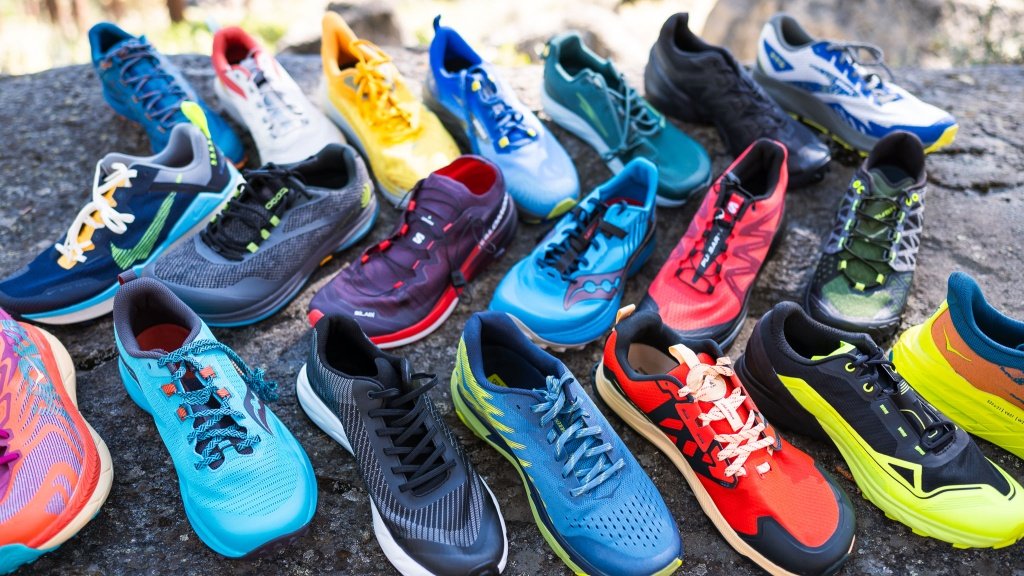
    Choosing the right shoes is very important for every runner. The best running shoes for all terrains help you stay safe, feel comfortable, and perform well no matter where you run. Whether you enjoy road running, trail adventures, or exploring uneven paths, having the right shoes can make all the difference. Let’s explore how to pick the best running shoes for all terrains!

    1. Understand Your Running Needs

    Where Do You Run Most?

    Think about where you run the most. Do you stick to smooth roads, rough trails, or a mix of both? The best running shoes for all terrains are designed to handle different surfaces, but some are better for specific terrains.

    How Often Do You Run?

    If you run every day, you need shoes that last longer. Frequent runners should look for durable materials and strong soles to avoid wearing out their shoes too quickly.

    Best Running Shoes for All Terrains
    Best Running Shoes for All Terrains

    2. Features of All-Terrain Running Shoes

    Strong Outsoles

    All-terrain shoes need sturdy outsoles for grip. These soles help you stay balanced on slippery or uneven surfaces, like dirt trails or rocky paths.

    Good Cushioning

    Running on different terrains can be tough on your feet. Cushioning absorbs shock and reduces the impact on your joints, keeping you comfortable.

    Breathable Material

    Your feet can get hot during long runs. Shoes with breathable materials let air flow through, keeping your feet cool and dry.

    3. Best Running Shoes for Roads and Trails

    Versatile Shoes

    Some running shoes are great for both roads and trails. These shoes have flexible soles and moderate grip, making them perfect for runners who switch terrains often.

    Brands to Consider

    Brands like Salomon, Hoka One One, and Brooks make excellent all-terrain running shoes. These brands focus on creating shoes that work well on multiple surfaces.

    4. Choosing the Right Fit

    Measure Your Feet

    Always measure your feet before buying running shoes. Your size can change over time, and having the right fit is essential for comfort and support.

    Try Shoes with Socks

    When trying on shoes, wear the socks you usually run in. This helps you see how the shoes feel during your runs.

    5. Maintaining Your Running Shoes

    Clean After Every Run

    Running on trails or muddy paths can make your shoes dirty. Cleaning them after each run keeps them in good shape and ready for your next adventure.

    Replace When Worn Out

    Even the best running shoes for all terrains wear out over time. Replace your shoes when the soles are flat, or the cushioning feels less supportive.

    6. Benefits of All-Terrain Shoes

    Save Money

    All-terrain running shoes save you money because you don’t need separate pairs for different surfaces. One pair works well for everything!

    Stay Safe

    Good grip and strong materials keep you safe, even on tricky terrains. You’ll feel confident running on wet roads or rocky trails.

    7. Tips for Picking the Perfect Shoes

    Test Them First

    Before buying, test the shoes by walking or running a little. This helps you check the comfort and fit.

    Read Reviews

    Reading reviews from other runners can give you helpful tips about the shoes you’re considering. Look for reviews that mention comfort, durability, and grip.

    8. Top All-Terrain Shoes to Try

    Salomon Speedcross

    Known for its excellent grip and durability, the Salomon Speedcross is perfect for trail runners who also enjoy road running.

    Brooks Cascadia

    This shoe offers great support and is very versatile. It works well on both smooth and rough terrains.

    Hoka Challenger ATR

    With soft cushioning and strong outsoles, the Hoka Challenger ATR is great for runners who want comfort and durability.

    Conclusion
    The best running shoes for all terrains keep your feet comfortable and safe, no matter where you run. They offer durability, grip, and cushioning to handle any surface. By understanding your needs, choosing the right fit, and maintaining your shoes, you can enjoy running on roads, trails, and beyond. Invest in a good pair today, and take your running experience to the next level!